Key takeaways
- Choosing between a wide and regular sleeping bag is less about the label on the package and more about how you will use it at home. A regular bag usually saves closet space, costs a little less, and feels warmer…
Choosing between a wide and regular sleeping bag is less about the label on the package and more about how you will use it at home. A regular bag usually saves closet space, costs a little less, and feels warmer because there is less empty air to heat. A wide bag gives you more room to turn, layer clothing, or share space with a child during a sleepover.
The real decision is whether you value compact storage and thermal efficiency or a less restrictive, more bedlike feel. That choice matters in a guest room, apartment, playroom, emergency kit, or weekend camping setup. In 2026, many family homes use sleeping bags as flexible bedding rather than occasional outdoor gear, so size, cleaning, and long-term storage deserve as much attention as temperature rating.
Our top picks


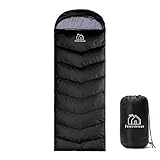
 MalloMe Sleeping Bags for Adults Cold Weather
- Occupancy: 1 Person
- Shape: Rectangular
- Seasons: 3 Seasons
As an Amazon Associate we earn from qualifying purchases at no extra cost to you. Ratings are shown as listed on Amazon.
Quick Verdict
Choose a wide sleeping bag if comfort, easy movement, or home use is your priority. It is a better fit for side sleepers, adults who dislike a snug mummy shape, people who wear bulky layers, and children who move around during sleepovers. Typical wide models measure about 34 to 40 inches across at the shoulders and weigh roughly 3.5 to 6 pounds.
Choose a regular sleeping bag if you want lower cost, easier storage, and better warmth for its weight. Most regular adult bags are about 28 to 32 inches wide and weigh approximately 2.5 to 5 pounds. They fit standard shelves, bins, and backpacks more easily, making them practical for occasional guests and emergency storage.
For a home, a rectangular wide bag is generally more comfortable than a narrow mummy bag. For a cold-weather kit or limited closet, regular is usually the smarter default.
Side by Side
| Factor | Wide Sleeping Bag | Regular Sleeping Bag |
|---|---|---|
| Comfort | Roomy; easier to turn, sit up, or layer | More fitted; can feel restrictive for broad or restless sleepers |
| Typical dimensions | About 34–40 inches wide; 78–90 inches long | About 28–32 inches wide; 72–86 inches long |
| Weight | Approximately 3.5–6 pounds | Approximately 2.5–5 pounds |
| Durability | Often similar; larger panels may experience more seam stress | Usually sturdy and less bulky to handle |
| Price range | About $30–$180 for common home and camping models | About $20–$150 for common home and camping models |
| Maintenance | Needs a larger washer and more drying space | Easier to wash, dry, fold, and pack |
| Space needed | Roughly 12–18 inches of shelf or bin width when compressed | Roughly 8–14 inches when compressed |
| Look | More like a casual comforter or floor blanket | More streamlined and traditionally outdoorsy |
| Resale | Appeals to buyers wanting home comfort or plus-size room | Usually has a broader camping audience |
| Best for | Home guests, sleepovers, side sleepers, and shared use | Backpacking, emergency kits, tight storage, and solo use |
Where Wide Wins
The biggest advantage of a wide sleeping bag is freedom of movement. A regular bag can feel fine when you lie still on your back, but the narrower cut becomes noticeable when you sleep on your side, bend your knees, or turn during the night. A wide rectangular bag gives your elbows and knees more space and is easier to enter and exit.
Wide bags also work better for home guests who may not be accustomed to camping equipment. A 38-inch-wide bag feels less confining than a 30-inch model, particularly when it is spread on a living-room floor or placed on a mattress. Some wide designs can be fully unzipped and used as a blanket, which makes them useful for movie nights, naps, and drafty rooms.
Extra width is helpful for children who share a bag with a parent for a short period, although a child should not be placed in an oversized bag if it creates a face-covering or entanglement risk. It is also convenient for adults who sleep in sweatshirts or fleece layers. The same principle applies to clothing choices: loose NEW YOUNG wide-leg lounge pants, listed for under $30, are comfortable around the house but take up more room inside a narrow sleeping bag.
A wide bag can pair well with a home emergency kit because it serves multiple people and can substitute for a blanket. Look for a generous zipper opening, a washable shell, and a temperature rating appropriate to your indoor or outdoor conditions. Do not assume “wide” means warmer, however. The additional internal air space can make a bag feel cooler unless the insulation is equally substantial.
Where Regular Sleeping Bag Wins
Regular sleeping bags win on efficiency. Their smaller interior has less air to warm, so a well-insulated regular bag can feel warmer than a roomier bag with the same listed temperature rating. That makes the regular size useful for unheated cabins, power outages, and camping in cool weather.
Storage is another clear advantage. A regular bag is more likely to fit in a 20- to 30-liter storage bin, under-bed container, or narrow linen closet. It is also easier to carry up stairs and place in a car alongside other luggage. If your home has limited closet space, several regular bags may fit where two wide bags would not.
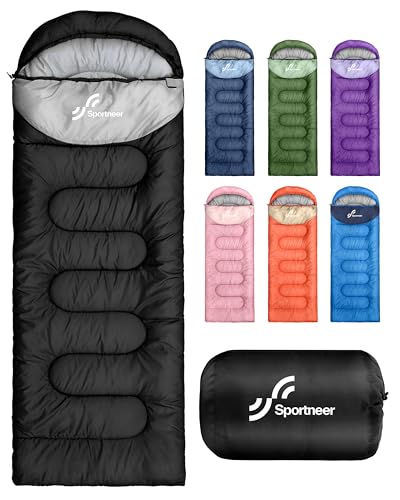
Regular bags generally cost less, too. Basic adult options can start near $20, while better-insulated or cold-weather versions commonly range from $60 to $150. For a straightforward backup bag, the MalloMe Sleeping Bags for Adults Cold Weather & Warm is listed for under $30, and the Sportneer Sleeping Bag for Adults & Kids is listed for under $30. Those prices illustrate the budget end of the category, not a guarantee that every model offers the same insulation, size, or construction.
A regular bag is also a better choice when different household members will use it for camping. Its familiar proportions are easier to pack, lend, or resell. If you are building a compact emergency kit, prioritize temperature rating, insulation type, zipper quality, and water resistance before adding width.
Cost Over 5 Years
The purchase price is only part of the cost. A budget regular sleeping bag at $25–$45 may remain useful for five years if it is used a few times annually and stored dry. A durable wide model may cost $50–$120 but can replace a guest blanket, floor mat layer, or extra comforter, giving it more value in a busy home.
For occasional use, a reasonable five-year ownership estimate is $5–$12 per year for a regular bag and $10–$25 per year for a wide bag, before laundry. Washing a large wide bag may cost about $3–$8 at a laundromat if your home washer is too small. A regular bag is more likely to fit a standard 3.5- to 4.5-cubic-foot washer, reducing that expense.
Storage damage can cost more than routine cleaning. Keep either style loosely stored in a breathable sack rather than compressed for months. Long-term compression can flatten synthetic insulation and reduce loft. A wide bag may need a larger storage sack, but that small space cost can be worthwhile if it prevents you from buying separate blankets for guests.
Which One for Your Home
Small apartment
Choose a regular sleeping bag unless it will function as everyday guest bedding. Its smaller packed size is easier to store in an entry closet, ottoman, or under-bed bin. A rectangular regular bag around 30 inches wide gives most adults enough room without dominating a studio or one-bedroom living area. Choose a wide version only if you frequently host overnight guests or want a blanket-style bag for the sofa.
Family with kids or pets
A wide bag is usually more practical. Children shift positions, climb in and out, and may wear pajamas or layers. The extra surface area also helps during family movie nights. Choose a machine-washable shell and avoid delicate fabrics if pets may lie on it. A separate washable blanket layer can protect the bag from fur, crumbs, and accidents. For safety, supervise young children and follow the manufacturer’s age guidance.
Rental
Regular is the efficient choice for renters who may move frequently. A lightweight bag weighing 3 pounds or less is easier to transport and less likely to consume valuable closet space. If you use the bag for guests, select a neutral color and rectangular shape so it looks less like technical camping equipment when laid across a sofa bed.
Long-term home
Choose based on function rather than portability. A wide bag is worthwhile in a dedicated guest room, finished basement, or home office that doubles as sleeping space. If the bag will stay in an emergency bin or accompany you on trips, regular is more versatile. Some households benefit from one of each: regular for cold-weather efficiency and wide for indoor comfort.
FAQ
Is a wide sleeping bag warmer than a regular one?
Not necessarily. A regular bag can feel warmer because its narrower interior contains less air to heat. Warmth depends more on insulation, temperature rating, draft collar, hood, and the surface beneath you. A wide bag can be equally warm when it uses enough insulation and seals well around the zipper and opening.
Can two people share a wide sleeping bag?
Most single wide bags are designed for one person, even when they feel roomy. For two adults, use a purpose-built double sleeping bag or zip-compatible pair. Sharing a single oversized bag can create cold spots and may stress the zipper. Always check the dimensions and manufacturer’s intended use.
What size sleeping bag is best for a guest room?
A rectangular wide bag around 36 to 40 inches wide is the most comfortable option for many adult guests. If storage is tight, choose a regular rectangular bag around 30 to 32 inches wide. Length should exceed the user’s height by several inches; a 78-inch bag suits many average-height adults, while taller users may need an 84- to 90-inch model.
Should I buy wide or regular for an emergency kit?
Choose regular when the kit must remain compact, portable, and easy to distribute. Choose wide when the bag will stay at home and may be used by a larger adult or as a substitute blanket. Whichever size you select, store it dry, verify its temperature rating, and keep it with a ground pad or blanket because insulation underneath the body compresses quickly.