Key takeaways
- Choosing between a foam pad and an inflatable sleeping pad is less about which option is universally “better” and more about how the pad will function in your home. Are you creating an occasional guest bed, a flexible lounge spot,…
Choosing between a foam pad and an inflatable sleeping pad is less about which option is universally “better” and more about how the pad will function in your home. Are you creating an occasional guest bed, a flexible lounge spot, a playroom rest area, or a semi-permanent sleeping surface? The answer affects whether you should prioritize reliable support, compact storage, quick setup, appearance, or the lowest upfront cost.
A foam pad is a solid, silent surface that is ready whenever you need it. An inflatable pad is usually lighter and smaller when packed, but it must be inflated, deflated, and protected from punctures. For 2026 home use, both can be practical choices—especially in small spaces—but they solve different problems.
Our top picks

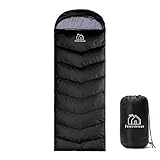
 Oramoose 4in Ultralight Camping Sleeping Pad with
- Product Group: Outdoors
- Binding: Kitchen

As an Amazon Associate we earn from qualifying purchases at no extra cost to you. Ratings are shown as listed on Amazon.
Quick Verdict
Choose a foam pad if you want dependable nightly support, easy setup, quiet use, and better resistance to children, pets, and rough handling. It is also the more natural choice when the pad will remain in place as a bench cushion, floor mattress, or guest-bed layer.
Choose an inflatable sleeping pad if storage space is your main concern, you need a lightweight option for occasional guests, or you want to move the pad between rooms, vehicles, and outdoor trips. Inflation adds a step, and long-term comfort can vary with air pressure and the quality of the internal construction.
For most homes, foam wins as a primary everyday surface. Inflatable pads win when compact storage and portability matter more than convenience and permanence.
Side by Side
| Factor | Foam pad | Inflatable sleeping pad |
|---|---|---|
| Comfort | Steady, predictable support; firmness depends on density and thickness | Adjustable firmness, but can feel bouncy or bottom out if underinflated |
| Durability | Resists punctures and ordinary household wear; may compress over time | Can last for years with careful use, but seams, valves, or the shell can leak |
| Price range | About $19-$60 for basic foam pieces; more for custom or thicker foam | About $20-$100 for basic to premium home-and-camping models |
| Maintenance | Spot-clean the cover or foam; air it out if it absorbs moisture | Dry fully, check for leaks, and patch small punctures as needed |
| Space needed | Uses its full dimensions in storage; a 24-by-72-inch pad needs a long shelf or closet area | Typically rolls or folds into a compact sack after deflation |
| Look | Can resemble a mattress or cushion, especially with a fitted cover | Usually looks more utilitarian and camping-oriented |
| Setup | Unroll or place it on the floor | Inflate with a pump, then deflate and pack away after use |
| Resale | Clean, covered foam may be useful locally, but used foam has limited resale appeal | Recognizable camping brands may resell more easily if clean and leak-free |
| Best for | Frequent guests, children, pets, floor seating, and long-term home use | Occasional guests, tiny apartments, travel, and dual indoor-outdoor use |
Where Foam Pad Wins
Foam provides consistent support without adjustment. A 2-inch upholstery cushion, for example, has a very different feel from a thin yoga mat, but both remain stable under the body rather than shifting air from one section to another. Firm upholstery foam can also be layered under a softer topper if a guest needs more cushioning.
Basic foam is especially useful for home projects because it can be cut, covered, or incorporated into furniture. A 24-by-72-inch piece can serve as a narrow guest mattress, daybed insert, reading nook cushion, or temporary floor bed. The GoTo Foam 2″ Height x 24″ Width x 72″ Length 43ILD (Firm) Upholstery Cushion Made in USA is listed for under $30, while the comparable 1-inch, 44ILD version is listed for under $20. Those dimensions make the difference between a thin support layer and a more substantial cushion easy to visualize.
Foam is also quieter. Someone turning over at night will not create the crinkling, squeaking, or air movement that can occur with an inflatable pad. There is no pump to store, no valve to close, and no concern that a pet claw or toy edge will interrupt sleep.
The tradeoff is bulk. Foam does not compress as dramatically as an air mattress, and it usually cannot be folded without creating a permanent crease or damaging the structure. If your closet is only 12 inches deep, a 72-inch foam pad may need to live under a bed, behind a sofa, or on top of a wardrobe instead.
Where Inflatable Sleeping Pad Wins
Inflatable pads are hard to beat for storage efficiency. After deflation, many roll into a bag roughly the size of a large water bottle or small backpack, although packed dimensions vary by design. That makes them useful in a studio apartment, a home without a guest room, or a household that only hosts overnight visitors a few times each year.
They are also easy to move. A basic pad may weigh around 1 to 3 pounds, compared with a full-length foam cushion that can weigh several pounds and occupy much more space. Some models include built-in foot pumps, eliminating the need for an electric pump. The Oramoose 4in Ultralight Camping Sleeping Pad with Pillow and Foot Pump is listed for under $20, and the FUN PAC Camping Sleeping Pad with Pillow and built-in foot pump is listed for under $30. Products in this price range can be attractive when one pad needs to work for guests, camping, backpacking, or travel.
Air also lets users adjust firmness. A person who prefers a slightly softer surface can release a little air, while someone who wants a firmer feel can inflate it more fully. However, that adjustability is not the same as consistent orthopedic support. An air pad can feel different from night to night depending on room temperature, inflation level, body weight, and whether the floor beneath it is perfectly smooth.
For home use, place an inflatable pad on a clean blanket, rug, or thin protective layer. Avoid rough concrete, sharp-edged furniture, pet claws, and dragging the inflated pad across the floor. Keep the pad dry before storage, and do not store it tightly compressed while damp.
Cost Over 5 Years
Upfront prices favor both categories of basic products. The referenced foam cushions cost under $20 and under $30, while the referenced inflatable pads cost under $20 and under $30. In practical shopping terms, a basic foam pad or entry-level inflatable pad often falls in the $19-$30 range, before a cover, storage bag, or repair supplies.
A five-year comparison depends more on replacement than on the initial purchase price. Suppose you buy a $27 foam cushion and use it indoors several times per month. If it remains supportive for five years, the purchase cost works out to about $5 per year. Adding a washable cover for $20-$40 brings the five-year total to approximately $47-$67.
Now suppose you buy a $27 inflatable pad and it lasts five years without a major leak. Its annualized purchase cost is also about $5, with a patch kit adding roughly $5-$15 if needed. If you replace it once during that period, however, the pad cost rises to about $54, or approximately $11 per year before accessories. These are planning examples, not guaranteed lifespans: use frequency, storage, temperature, construction, and handling all matter.
Foam usually offers the more predictable ownership experience indoors. Inflatable pads can be the better financial choice when the alternative is buying a larger mattress or paying for a permanent guest-room setup that will rarely be used.
Which One for Your Home
Small apartment
Pick an inflatable pad if closet and floor space are limited. It can disappear into a storage bin after guests leave, and a 1- to 3-pound packed item is easier to carry up stairs. Choose foam instead if you have under-bed storage and expect frequent guests; the faster setup may matter more than compact packing.
Family with kids or pets
Foam is generally the safer practical choice. It has no air chamber to puncture and can be covered with a washable sheet or zippered protector. A firm 2-inch cushion may also work as a supervised playroom rest mat. Keep any sleeping pad away from chewing pets and inspect foam for moisture, stains, or loose coverings.
Rental
Either option can work, but an inflatable pad minimizes permanent changes and storage demands. It is useful if your lease prohibits bulky furniture or if you may move soon. Foam is preferable when you want a temporary daybed or window-seat cushion without relying on a pump.
Long-term home
Choose foam for a recurring guest bed, floor mattress, bench cushion, or reading area. It is quiet and always ready. An inflatable pad makes more sense as a backup for holiday visitors or as equipment that serves both the home and the outdoors.
FAQ
Is a foam pad more comfortable than an inflatable sleeping pad?
Not automatically. Foam gives more consistent support, while an inflatable pad allows firmness adjustments. For repeated indoor sleeping, many people prefer the stable feel of foam; for occasional use, the ability to fine-tune air pressure may be more important.
Can I use upholstery foam as a mattress?
You can use a properly sized upholstery-foam cushion as a temporary or occasional sleeping surface, but check its firmness, thickness, ventilation, and cover. A 1-inch piece is usually better as a support layer than as a complete mattress. For regular nightly sleep, use a purpose-designed mattress or sleep system.
How do I protect an inflatable pad indoors?
Clear the floor of grit and sharp objects, place a blanket or thin rug beneath it, and keep pets from the sleeping area. Inflate it away from table legs and rough walls. After use, dry it completely, inspect the valve, and store it loosely rolled rather than damp or sharply folded.
Which option is easier to clean?
Foam is easier to maintain when it has a removable, washable cover. The foam itself should generally be spot-cleaned and dried thoroughly rather than saturated. An inflatable pad can be wiped down, but a leak or moisture trapped around seams and valves requires more careful drying and inspection.