Key takeaways
- When comparing a quilt vs sleeping bag for backpacking, the real decision is not simply which one looks warmer in a product photo. You are choosing between two sleep systems with different ways of managing heat, drafts, weight, movement, and…
When comparing a quilt vs sleeping bag for backpacking, the real decision is not simply which one looks warmer in a product photo. You are choosing between two sleep systems with different ways of managing heat, drafts, weight, movement, and pack space. A sleeping bag surrounds your body with insulation and includes a hood, zipper, and defined footbox. A backpacking quilt usually leaves the underside open, attaches to your sleeping pad, and relies on the pad plus your clothing to complete the system.
That distinction matters at home, too. A backpacking quilt is not the same thing as a decorative bed quilt, while a camping sleeping bag is not automatically a practical substitute for everyday bedding. For 2026, shoppers should consider intended use first: overnight backpacking, occasional camping, guest bedding, a child’s sleep setup, or a flexible layer for a bed or sofa.
Our top picks

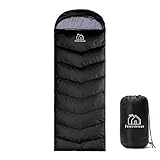
 MalloMe Sleeping Bags for Adults Cold Weather
- Occupancy: 1 Person
- Shape: Rectangular
- Seasons: 3 Seasons
As an Amazon Associate we earn from qualifying purchases at no extra cost to you. Ratings are shown as listed on Amazon.
Quick Verdict
Choose a quilt if you want the lowest possible weight, more room to move, and strong performance in moderate or warm conditions. A quilt is especially appealing for side sleepers and hikers who already own a suitable sleeping pad and insulated clothing.
Choose a sleeping bag for backpacking if you prioritize simplicity, predictable coverage, and protection from drafts. It is usually the better choice for beginners, restless sleepers, children, and trips where temperatures may drop near or below freezing.
For home use, neither option is universally best. A standard bed quilt is more attractive and practical for daily use, while a sleeping bag is easier to store as emergency, guest, or camping equipment. Do not confuse a lightweight decorative coverlet with a technical backpacking quilt.
Side by Side
| Factor | Backpacking Quilt | Sleeping Bag for Backpacking |
|---|---|---|
| Comfort | Open, roomy feel; excellent for side sleepers | Enclosed warmth; familiar but more restrictive |
| Durability | Often durable, but straps and exposed edges need care | Protective shell and zipper can withstand regular use; zipper repairs may be costly |
| Price range | About $150–$450 for a technical model | About $100–$500, depending on temperature rating and insulation |
| Maintenance | Usually requires careful washing and low-heat drying | Also needs gentle washing; zippers and hoods add cleaning challenges |
| Space needed | Often compresses to roughly 3–8 liters | Usually compresses to roughly 5–15 liters |
| Look | Minimal outdoor gear appearance; can resemble a blanket | Clearly reads as camping equipment |
| Resale | Good if clean, lightweight, and from a recognized maker | Good for popular sizes and reliable temperature ratings |
| Best for | Warm sleepers, side sleepers, experienced hikers, mild climates | Cold nights, beginners, children, and variable weather |
| Typical weight | About 16–32 ounces | About 24–48 ounces for three-season models |
Where Quilt Wins
The main advantage of a backpacking quilt is efficiency. Because it does not carry insulation underneath your body, it can eliminate material that becomes compressed and provides little warmth. With a properly insulated sleeping pad, a quilt may weigh several ounces less than a comparable sleeping bag and occupy less space in a pack.
Quilts also allow more natural movement. You can bend your knees, turn from side to side, or sit up without fighting a narrow footbox. That extra width can make a major difference for sleepers who feel confined in a mummy bag. Many quilts are 52–58 inches wide at the shoulders, with longer versions around 78–84 inches.
Ventilation is another strength. On warmer nights, you can loosen the pad straps or drape the quilt over your body like a blanket. That flexibility is useful when a trip includes changing elevations or temperatures. A quilt can also work well over a guest bed or sofa when its outdoor appearance is acceptable.
However, the weight savings depend on correct setup. You need a sleeping pad with an appropriate insulation rating, a secure attachment system, and enough width to prevent gaps. If you move frequently, toss and turn, or leave the quilt untucked, cold air can enter around your shoulders and sides.
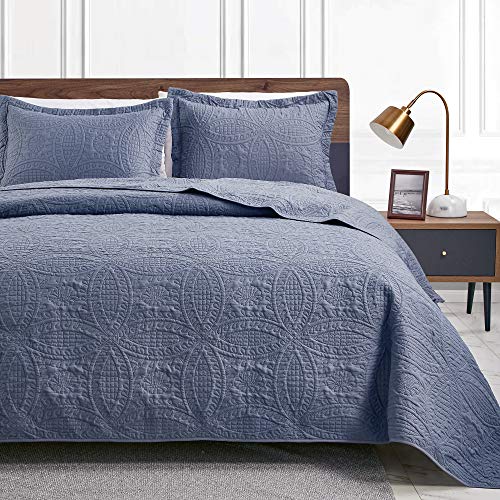
For home comparison, an everyday bed quilt offers similar freedom of movement but is usually much larger. The Love’s cabin Quilts for Queen Bed Blue Bedspreads, listed for under $30, is an example of a decorative three-piece bed-covering set rather than a compact backpacking sleep system. Its purpose is appearance and bed coverage, not minimizing pack weight or managing drafts on a trail.
Where Sleeping Bag for Backpacking Wins
A sleeping bag is easier to understand and use. Climb inside, close the zipper, tighten the hood if needed, and you have a contained layer of insulation. That enclosed design reduces drafts, which is particularly helpful for new campers and sleepers who move during the night.
Sleeping bags also offer stronger protection in cold or unsettled conditions. A hood can reduce heat loss around your head, while a shaped footbox keeps insulation around your feet. For three-season use, a bag rated around 20°F to 35°F is a common starting point, although temperature ratings should be treated as guidance rather than a guarantee. Your pad, clothing, metabolism, and shelter all affect comfort.
The tradeoff is bulk and restriction. A mummy-shaped bag may be only 30–32 inches wide at the feet, and the zipper can catch or fail over time. Rectangular bags provide more room but generally weigh more and retain heat less efficiently. A double bag can accommodate two people, but it is rarely the lightest choice for carrying miles.
Sleeping bags are often more practical for children because the enclosed shape is intuitive and helps prevent blankets from sliding away. The MalloMe Sleeping Bags for Adults Cold Weather & Warm, marketed for adults and children, is priced for under $30. That price places it in the budget end of the category, but buyers should still check the stated dimensions, insulation type, and temperature information before relying on any sleeping bag outdoors.
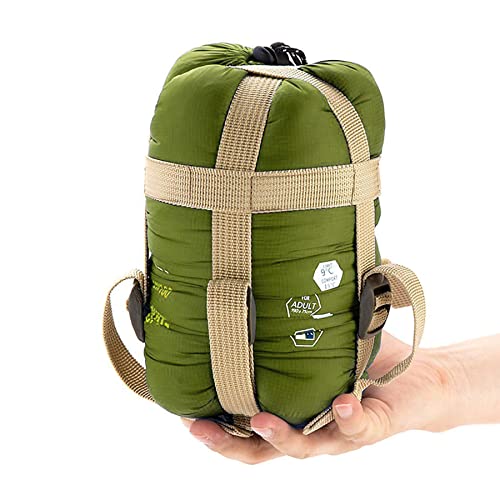
The ECOOPRO Portable, Waterproof, Lightweight Sleeping Bag with Compression Sack is listed for under $30 and emphasizes portability and a compression sack. It may be useful as a low-cost camping or emergency item, but a shopper should distinguish convenience features from verified cold-weather performance.
Cost Over 5 Years
The purchase price is only part of the calculation. A technical quilt costing $200–$350 may last five years or longer if it is stored loosely, kept dry, and washed according to its care label. That works out to roughly $40–$70 per year before replacement accessories. A quality sleeping bag costing $150–$400 works out to approximately $30–$80 per year over the same period.
Budget gear changes the equation. A $25–$35 sleeping bag may be inexpensive enough for occasional backyard use, but replacing it twice during five years could cost $50–$70. You may also need a $60–$180 sleeping pad, a storage sack, and a liner or warmer clothing. A quilt may require pad straps, adding approximately $15–$35 if they are not included.
Home bedding has a different value calculation. The Exclusivo Mezcla Ultrasonic Full Queen Quilt Bedding Set, Beige Cream, listed for under $30, is priced for everyday bed coverage rather than ultralight travel. Over five years, a washable bed quilt may be economical if it is used frequently, but it will not replace a properly insulated backpacking quilt or sleeping bag in cold weather.
Which One for Your Home
Small Apartment
Choose a standard bed quilt if your priority is a polished room with one flexible cover. A full or queen quilt can fold into a closet shelf and serve as a lightweight blanket in warm weather. For occasional camping, store a dedicated sleeping bag in a breathable sack rather than trying to use the bed quilt outdoors.
Family With Kids or Pets
A washable bed quilt is usually the most practical daily choice, especially for spills, shedding, and frequent laundering. For children’s sleepovers or camping, a sleeping bag is easier to identify, carry, and keep contained. Avoid treating a decorative quilt as a substitute for a child-appropriate outdoor sleep system in cold conditions.
Rental
Renters often benefit from multipurpose bedding that does not require a large storage cabinet. A lightweight bed quilt can add color without permanent changes to the room. Keep a compact sleeping bag for guests, car camping, or emergency power outages; it can be stored in a closet without taking up an entire shelf.
Long-Term Home
Invest in a quality bed quilt for regular use and select a backpacking quilt or sleeping bag based on actual outdoor habits. If you hike frequently and carry your gear, the quilt’s lower weight may repay its higher price. If outdoor trips are occasional, a reliable sleeping bag is simpler and more versatile.
FAQ
Is a quilt warmer than a sleeping bag?
Not automatically. A quilt can be equally warm when paired with the right sleeping pad and fitted securely. A sleeping bag generally makes draft control easier, especially for inexperienced campers or people who move frequently at night.
Can I use a regular bed quilt for backpacking?
Usually not. A bed quilt is often too large, heavy, and bulky for a backpack. It may also lack a footbox, pad straps, weather-resistant fabric, and a tested temperature rating. It is better suited to home bedding, car camping, or warm indoor use.
What temperature rating should I choose?
For many three-season trips, shoppers begin by comparing 20°F to 35°F products, but the right rating depends on location, season, shelter, clothing, and personal cold tolerance. Always pair the insulation with a sleeping pad designed for the expected conditions.
Which is easier to care for?
Both require gentle handling. Follow the care label, use a front-loading washer when recommended, avoid fabric softener, and dry thoroughly on low heat. Store down or synthetic insulation loosely rather than compressed. For home quilts, routine washing is usually simpler because they are designed for bed-size laundry and everyday use.