Key takeaways
- A temperature number with no comfort, lower-limit, or testing explanation.
- A very low price paired with a dramatic winter rating and no fill-weight information.
- No stated packed size, total weight, user height limit, or shoulder dimensions.
- “Waterproof sleeping bag” language. Shell fabric may resist light moisture, but sleeping bags are not substitutes for dry shelter.
- Excessive empty space around your torso or feet, which can reduce warmth and increase weight.
- A compression sack that is too small to use without forcing the bag inside.
- Loose stitching, snagging zippers, missing insulation in baffles, or a strong chemical odor on arrival.
A sleeping bag’s temperature rating is not a promise that every camper will feel warm at that number. It is a comparison point shaped by insulation type, clothing, sleeping pad, shelter, wind, humidity, and personal comfort. The most common mistake is buying a “20-degree” bag because the number sounds suitable, then using it on a thin foam pad in damp weather. Another is choosing a heavy rectangular bag for backpacking because it costs less, only to regret carrying 5 pounds uphill.
This backpacking sleeping bag buying guide temperature rating overview explains how to read the label and compare the details that matter. In 2026, a useful buying decision starts with your expected overnight low, then adds a safety margin instead of treating the advertised rating as an exact indoor thermostat.
Our top picks
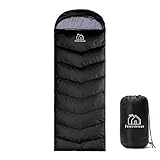
 MalloMe Sleeping Bags for Adults Cold Weather
- Occupancy: 1 Person
- Shape: Rectangular
- Seasons: 3 Seasons
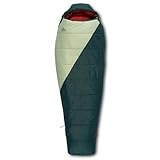
 Teton Trailhead
- Occupancy: 1 Person
- Seasons: All Seasons
- Temperature Rating: +20F
| Product | Key specs | Amazon rating | |
|---|---|---|---|
 Teton LEEF Lightweight Mummy Sleeping Bag Perfect Teton LEEF Lightweight Mummy Sleeping Bag Perfect | – | Check price | |
| MalloMe Sleeping Bags for Adults Cold Weather | Occupancy: 1 Person Shape: Rectangular Seasons: 3 Seasons | 4.5★ | Check price |
| Teton Trailhead | Occupancy: 1 Person Seasons: All Seasons Temperature Rating: +20F | 4.3★ | Check price |
 TANSTRIDER XXL Sleeping Bags for Adults Teens TANSTRIDER XXL Sleeping Bags for Adults Teens | – | Check price |
As an Amazon Associate we earn from qualifying purchases at no extra cost to you. Ratings are shown as listed on Amazon.
Decide These 3 Things First
- Set your real low temperature. Check the coldest conditions you expect, not the average daytime temperature. For three-season trips, a 20°F bag is a common starting point; for warm summer trips, a 35°F to 50°F bag may be lighter and less expensive.
- Choose a comfort margin. If you sleep cold, select a bag rated 10°F to 15°F colder than the expected low. A person comfortable at 35°F might choose a 20°F bag, while a warm sleeper may accept a 30°F model for the same trip.
- Match the bag to your sleeping pad. Insulation beneath you is essential because compressed sleeping-bag fill provides little warmth. For cold-weather use, look for a pad with an R-value around 4 or higher; for mild summer conditions, an R-value near 2 to 3 may be adequate.
Also decide whether you want the smallest possible packed size, the lowest price, or the most forgiving fit. You rarely get all three.
Size and Shape
A mummy bag narrows at the feet and shoulders, reducing empty air that your body must warm. It is usually the best shape for backpacking, especially below 40°F. A regular mummy commonly fits people up to about 6 feet tall, while long versions often accommodate roughly 6 feet to 6 feet 6 inches. Check the manufacturer’s actual shoulder, hip, and foot measurements rather than relying only on “regular” or “large.”
Too much room can make a bag feel cold and add weight. Too little room compresses insulation and makes it difficult to wear a base layer. As a practical target, allow approximately 2 to 4 inches of extra shoulder room over your body measurement. Side sleepers or larger campers may prefer a roomy mummy or semi-rectangular design.
Rectangular bags are easier to move around in and can be more comfortable for car camping, but many weigh 4 to 6 pounds and pack larger. A backpacking bag should generally stay below 3 pounds for three-season trips, with ultralight options near 1.5 to 2 pounds.
Materials and Insulation
Down offers excellent warmth for its weight and compresses efficiently. A quality 20°F down bag may weigh about 1.75 to 2.5 pounds and pack to roughly 6 to 10 liters. Look for the fill-power number, such as 650, 700, or 800. Higher fill power generally means more loft from less down, though total fill weight still matters. Responsible-sourcing certifications can also be important to some buyers.
Down demands more care in wet conditions. A damp bag loses loft and dries slowly. Water-resistant face fabric or treated down can improve moisture tolerance, but neither makes the bag waterproof.
Synthetic insulation is usually less expensive, dries faster, and continues to provide some warmth when damp. The tradeoff is greater packed size and weight. A synthetic 20°F bag may weigh approximately 2.5 to 4 pounds and occupy 10 to 20 liters when compressed. Synthetic is often the practical choice for humid climates, occasional campers, and buyers on a tight budget.
For either type, a durable ripstop nylon shell around 20 to 40 denier is a useful balance between weight and abrasion resistance. Very thin fabrics save ounces but need more care around rough tent floors, branches, and sharp zippers.
Construction and Temperature Rating
Look for a hood that cinches around the face, a draft collar around the neck, and a draft tube behind the zipper. These features reduce heat loss through common gaps. A full-length zipper gives better ventilation, while a shorter zipper can save weight. Two-way zippers are helpful when you want to vent your feet without opening the entire bag.
Understand what the rating means. A “comfort” rating is intended to represent a warmer, more relaxed sleep level, while a “lower limit” rating describes a colder threshold for an average user in appropriate clothing. Some products list only a marketing temperature without explaining the test method. Treat an unexplained “0°F” claim cautiously, especially on a low-cost rectangular bag.
For three-season backpacking, a 20°F bag is a versatile compromise. A 30°F bag may be better for warm-weather mileage, while a 0°F to 15°F bag is more appropriate for shoulder-season or winter trips. Do not select a colder bag solely because the number sounds safer; extra insulation can add 1 to 3 pounds and make warm nights uncomfortable.
Comfort and Performance
Temperature ratings assume more than the bag itself. Wear dry base layers, use a hat or the bag’s hood, and keep tomorrow’s clothing inside the footbox so it stays warm. Avoid sleeping in wet hiking clothes. Eat a normal dinner, but do not rely on alcohol to stay warm; it can increase heat loss and impair judgment.
Your sleeping pad is one of the most important performance factors. A bag on bare tent floor cannot perform as rated. Wind protection matters too, so use a tent, bivy, or other shelter suited to the forecast. In humid weather, ventilate when possible to limit condensation inside the shelter and bag.
Consider usability details: zipper length, snag-resistant zipper design, interior pockets, a footbox that allows natural movement, and whether the hood fits your head. A lightweight bag that you cannot zip comfortably may be a worse choice than a slightly heavier model.
Price Tiers
Budget: $25 to $90. Expect heavier synthetic fill, basic fabrics, and less consistent sizing information. For example, inexpensive listings near $23 to $40 can work for sleepovers, campground use, and mild-weather trips, but a claimed cold-weather rating deserves careful scrutiny. A 5.3-pound XXL bag around $40 may provide room and value, yet it is a substantial backpacking load.
Midrange: $90 to $220. This tier often includes better-shaped synthetic bags and entry-level down models. A 20°F synthetic mummy around $70 to $110, such as the budget-oriented Teton examples priced near $70, can be a reasonable starting point when weight around 2.5 to 4 pounds is acceptable. Check the fill weight, packed dimensions, and rating details before buying.
Premium: $220 to $600 or more. Expect lighter down fill, higher fill power, refined hoods, better fabrics, and smaller packed volume. A premium 20°F bag may weigh about 1.5 to 2.25 pounds, but the price increase is most worthwhile for frequent backpackers who carry it many nights each year.
Warranty, Returns, and Delivery
Confirm the warranty length and what it covers before purchase. A limited lifetime warranty may cover manufacturing defects but exclude normal compression, stains, zipper damage, and loss of loft from improper storage. Keep the receipt and inspect seams, baffles, zippers, snaps, and loft as soon as the bag arrives.
Check the return window, especially if you need to test the fit. Do not sleep outdoors in a bag you may return; try it on indoors with clean clothing. A 30-day return period is common, but the window may begin at delivery. Confirm whether return shipping is deducted from your refund.
Delivery matters before a scheduled trip. Allow at least 7 to 10 days for a standard purchase so you can verify dimensions and exchange an unsuitable size. Compression sacks are convenient for transport, but store the bag loosely in its larger storage sack or a breathable container. Long-term compression can reduce loft, particularly in synthetic insulation.
Spec Checklist
| Spec | Budget | Mid | Premium |
|---|---|---|---|
| Typical price | $25–$90 | $90–$220 | $220–$600+ |
| Best insulation | Basic synthetic | Better synthetic or entry-level down | High-quality down or advanced synthetic |
| Useful three-season rating | 30°F–50°F | 20°F–35°F | 15°F–30°F |
| Typical weight | 3–5.5 lb | 2–4 lb | 1.5–2.5 lb |
| Compressed volume | 12–25 L | 8–18 L | 5–12 L |
| Preferred shape | Rectangular or roomy mummy | Mummy or semi-rectangular | Trim mummy |
Red Flags
- A temperature number with no comfort, lower-limit, or testing explanation.
- A very low price paired with a dramatic winter rating and no fill-weight information.
- No stated packed size, total weight, user height limit, or shoulder dimensions.
- “Waterproof sleeping bag” language. Shell fabric may resist light moisture, but sleeping bags are not substitutes for dry shelter.
- Excessive empty space around your torso or feet, which can reduce warmth and increase weight.
- A compression sack that is too small to use without forcing the bag inside.
- Loose stitching, snagging zippers, missing insulation in baffles, or a strong chemical odor on arrival.
FAQ
Is a 20°F sleeping bag warm enough for 20°F weather?
Not necessarily. If 20°F is the forecast low, a bag with a 20°F lower-limit rating may leave little margin. Add a warmer sleeping pad, dry layers, and a shelter that blocks wind, or choose a bag rated 10°F to 15°F colder if you sleep cold.
What is better for backpacking, down or synthetic?
Down is usually lighter and smaller when packed, making it attractive for long hikes. Synthetic is generally cheaper and more forgiving around moisture. Choose based on climate, storage habits, budget, and how much weight you are willing to carry.
How heavy should a backpacking sleeping bag be?
For three-season trips, aim for about 1.5 to 3 pounds when possible. A 3-to-4-pound bag can still be practical for beginners or inexpensive synthetic gear, while bags above 4 pounds are usually better suited to car camping unless cold-weather durability or extra room is the priority.
Can I use a sleeping bag rated for warmer weather in colder conditions?
You can add clothing, a liner, and insulation beneath the bag, but these measures do not reliably transform a 50°F bag into a 20°F bag. For predictable cold, buy a bag with an appropriate rating and pair it with a sleeping pad whose R-value suits the conditions.