Key takeaways
- It keeps your sleeping bag cleaner. Washing a liner after a trip is much easier than laundering a bulky insulated bag. This can reduce how often you need to wash the sleeping bag itself, which helps preserve its loft over time.
- It improves hygiene in shared sleeping spaces. A liner gives you a personal layer in hostels, cabins, sleeper trains, campgrounds, and budget hotels where bedding quality or cleaning standards may be uncertain.
- It can make a bag more comfortable. A smooth polyester or nylon interior may slide more easily than a rough shell fabric. Cotton or silk can feel less synthetic against bare skin, while fleece feels warmer and cozier.
- It offers modest temperature flexibility. A liner may take the chill off on mild nights and can let you use the same sleeping bag across a slightly wider range of conditions. The effect is usually modest, so do not treat it as a substitute for a lower-temperature-rated bag.
- It is useful beyond camping. A liner can function as a travel sheet, emergency blanket barrier, or lightweight sleep sack. That versatility makes a $20 to $30 liner easier to justify for frequent travelers.
- It can be inexpensive insurance. Basic synthetic models commonly cost about $15 to $35. That is relatively little compared with replacing a sleeping bag after repeated exposure to sweat, dirt, or questionable lodging.
The Short Answer
Yes—if you want a washable barrier between your body and a sleeping bag, hostel blanket, or rental bedding. A sleeping bag liner is worth buying when hygiene, easier cleaning, or a little extra comfort matters more than carrying a few additional ounces. If you already own a clean, comfortable sleeping bag and mainly camp in cool weather, you can probably skip it.
What You Actually Get
A sleeping bag liner is a lightweight fabric sack that goes inside your sleeping bag. Most are shaped like a rectangle, mummy, or tapered envelope, with an opening at the top and a simple closure such as a drawcord or hook-and-loop tab. Common adult dimensions are roughly 80 to 90 inches long and 30 to 32 inches wide at the shoulders, although mummy-style versions may be narrower around the feet.
Our top picks


As an Amazon Associate we earn from qualifying purchases at no extra cost to you. Ratings are shown as listed on Amazon.
The main benefit is straightforward: your body contacts the liner instead of the sleeping bag’s interior. That means sweat, body oils, sunscreen, and dirt collect on a removable layer that is usually much easier to wash than a full sleeping bag. A liner can also make a bag feel smoother, softer, or less clammy, depending on its fabric.
Materials vary. Polyester and nylon liners are usually affordable, quick-drying, and reasonably durable. Cotton feels familiar and breathable but is heavier, slower to dry, and less attractive for backpacking. Silk is light and comfortable but typically costs more and needs gentler care. Fleece and thermal liners add more warmth, but they are bulkier than basic travel sheets.
For a realistic packing expectation, many budget synthetic liners weigh about 6 to 12 ounces and pack down to approximately 6 by 3 inches, though the stuff sack size depends on how tightly you compress the fabric. Some liners add a small amount of warmth, often marketed as several degrees, but those claims vary by material, fit, and sleeping-bag setup. Treat a liner primarily as a cleanliness and comfort accessory—not a replacement for a warmer sleeping bag.
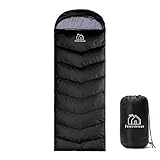
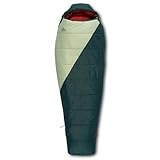
Two budget examples illustrate the category. The Frelaxy Ultralight Sleeping Bag Liner is listed for under $20 and is available in three sizes, which may help if you dislike restrictive mummy shapes. The Naturehike 4.5-ounce Ultralight Washable Sleeping Bag Liner is listed for under $30 and is aimed at backpacking, hotels, hostels, and camping. At this price level, the important differences are usually dimensions, fabric feel, closure design, and packed size rather than dramatic insulation.
Pros
- It keeps your sleeping bag cleaner. Washing a liner after a trip is much easier than laundering a bulky insulated bag. This can reduce how often you need to wash the sleeping bag itself, which helps preserve its loft over time.
- It improves hygiene in shared sleeping spaces. A liner gives you a personal layer in hostels, cabins, sleeper trains, campgrounds, and budget hotels where bedding quality or cleaning standards may be uncertain.
- It can make a bag more comfortable. A smooth polyester or nylon interior may slide more easily than a rough shell fabric. Cotton or silk can feel less synthetic against bare skin, while fleece feels warmer and cozier.
- It offers modest temperature flexibility. A liner may take the chill off on mild nights and can let you use the same sleeping bag across a slightly wider range of conditions. The effect is usually modest, so do not treat it as a substitute for a lower-temperature-rated bag.
- It is useful beyond camping. A liner can function as a travel sheet, emergency blanket barrier, or lightweight sleep sack. That versatility makes a $20 to $30 liner easier to justify for frequent travelers.
- It can be inexpensive insurance. Basic synthetic models commonly cost about $15 to $35. That is relatively little compared with replacing a sleeping bag after repeated exposure to sweat, dirt, or questionable lodging.
Cons
- It adds weight and bulk. Even a light liner adds roughly half a pound or less to a backpack, plus its storage bag. For an ultralight trip where every ounce matters, that may be an unnecessary penalty.
- It can twist or bunch inside the bag. Loose rectangular liners are especially prone to gathering around your legs. If you move frequently while sleeping, look for a generous cut, a footbox, or attachment points that keep it in place.
- It may feel hot or sticky. Low-cost synthetic fabric can trap moisture in warm weather. A liner is not automatically cooler than sleeping directly on the bag’s lining; fabric choice and ventilation matter.
- It does not replace a proper sleeping bag. A liner provides little insulation compared with even a lightweight quilt or sleeping bag. On a cold night, relying on one for warmth can leave you dangerously underprepared.
- It can be annoying to enter. Narrow openings and tight mummy shapes may catch on clothing or feel confining. Check the shoulder width and zipper or opening style before buying.
- Some fabrics require more care. Silk can snag, cotton takes longer to dry, and fleece takes up more pack space. A washable liner is convenient only if it dries within your travel schedule.
Who Should Buy It
A liner makes sense for people who travel frequently, stay in hostels or cabins, or share sleeping bags with family members. It is also useful for campers who perspire heavily, camp in humid conditions, or want to extend the time between full sleeping-bag washes.
Buy one if you regularly move between warm and cool destinations. A lightweight liner can add a small amount of warmth to a three-season bag, then serve as a standalone sleep sheet in a hot hostel or cabin. It is particularly practical for car campers and travelers, who can usually accept an extra 6 to 12 ounces without compromising their entire packing system.
It may also be worthwhile if your sleeping bag feels unpleasant against your skin. In that case, prioritize fabric and shape over advertised warmth. A liner that you enjoy using is more valuable than a technically lighter model that feels clammy or restrictive.
Who Should Skip It
Skip a liner if you are counting every ounce, already sleep comfortably in a clean bag, or only camp a few times each year in dry conditions. You can often protect a sleeping bag adequately by wearing clean base layers and airing it out after each trip.
It is also unnecessary if you expect it to solve a serious warmth problem. If your bag is too cold, put your money toward a warmer sleeping bag, insulated sleeping pad, warmer clothing, or a better-fitting quilt. Those upgrades generally make a larger difference than adding a thin liner.
Cheaper Alternatives
| Option | Cost | Trade-off |
|---|---|---|
| Large cotton sheet or pillowcase-style travel sheet | $5–$15 | Very inexpensive and comfortable, but heavier, bulkier, and slower to dry than a backpacking liner. |
| Oversized T-shirt or lightweight base layers | $0–$25 if already owned | Provides a washable barrier with no dedicated gear, but gives incomplete coverage and may shift during sleep. |
| Emergency bivy or reflective survival sack | $5–$15 | Small and cheap, but noisy, sweaty, fragile, and generally unpleasant for routine overnight use. |
| Budget synthetic sleeping-bag liner | $15–$30 | Best balance of price and convenience, but fabric quality, sizing, and packed dimensions vary considerably. |
For most buyers, the last option is the sensible middle ground. A roughly $20 liner such as the Frelaxy or Naturehike example costs little more than assembling a dedicated sheet from household items, while packing smaller and staying in place better. Before ordering, compare the liner’s packed size, listed weight, shoulder width, and washing instructions. Those details matter more than a vague promise of added warmth.
FAQ
Does a sleeping bag liner make you warmer?
Usually, yes, but only modestly. A liner adds another fabric layer that can reduce drafts and hold a little warm air. The result depends on the material, fit, your clothing, and the sleeping bag. Do not assume a liner will transform a summer bag into a winter bag. For cold conditions, use a properly rated sleeping bag and an insulated sleeping pad.
Can I use a sleeping bag liner by itself?
Yes, in warm conditions or clean indoor spaces. A liner works well as a lightweight sleep sack in a hostel, cabin, sleeper train, or hot-weather campsite. Check the dimensions before relying on it alone; a liner with an 80- to 90-inch length and a 30-inch-plus shoulder width will be more comfortable for most adults than a narrow mummy design.
How often should I wash a sleeping bag liner?
Wash it after trips where you perspired heavily, shared lodging, or exposed it to dirt and sunscreen. Otherwise, wash it whenever it smells or feels noticeably soiled. Follow the care label, use a mild detergent, and dry it completely before packing. A damp liner can develop odors quickly in a closed bag.
What is the best material for a sleeping bag liner?
For most campers, lightweight polyester or nylon offers the best combination of cost, drying speed, and durability. Cotton is comfortable but heavier. Silk is light and pleasant but more delicate and often more expensive. Choose fleece only if extra warmth matters more than packability. In 2026, the best choice is still the material you will actually wash, pack, and use consistently.