Key takeaways
- Pro: Retains insulation value when damp, making it forgiving for coastal or wet-climate trips.
- Pro: Mid-range price among synthetic mummy bags in the lineup.
- Con: Noticeably bulkier packed than any down alternative at the same rating.
Choosing the right sea to summit sleeping bag comes down to a single tension: warmth versus packed volume. You want a bag that keeps you comfortable on the coldest night you expect to encounter, but you also need it to disappear into your pack. Synthetic bags like the Boab and Hamelin trade weight and bulk for affordability and wet-weather resilience. Down bags like the Spark Pro and Traveller flip that equation entirely, delivering more warmth per ounce while shrugging off moisture with less grace.
Owner feedback consistently highlights a second dividing line: temperature rating honesty. A 30-degree synthetic feels different from a 30-degree down bag, and the gap matters most for side sleepers and cold sleepers. This guide lines up eight products across the Sea to Summit range so you can see where each one sits on that spectrum before committing.
Our top picks



As an Amazon Associate we earn from qualifying purchases at no extra cost to you. Ratings are shown as listed on Amazon.
Quick Picks
| Product | Best for | Price |
|---|---|---|
| Hamelin Synthetic | Budget warmth in damp conditions | $176 |
| Traveller Down (Regular) | Versatile hybrid comfort | $207 |
| Boab Synthetic 30° | Value-driven synthetic | $134 |
| Spark Pro Down | Ultralight backpacking | $549 |
| Reactor Extreme Liner | Bolting warmth onto any bag | under $60 |
| Boab Synthetic 15° | Cooler three-season synthetic | $155 |
| Traveller Down (Long) | Tall sleepers wanting down | $239 |
| Silk Blend Liner | Lightweight liner upgrade | under $100 |
How We Picked
We sorted these products on four criteria that owner reviews and published specs repeatedly confirm matter most: temperature rating reliability (does the bag actually perform at its stated degree?), packed size relative to warmth output, shape and length fit for your body, and price-to-utility ratio within each material category. A synthetic bag earns a different evaluation than a down bag, and a liner earns a different evaluation than either, so we weighed value within type rather than against it.
The 8 Best Sea To Summit Sleeping Bag in 2026
Sea to Summit Hamelin Synthetic Sleeping Bag, 30-Degree, Regular
The Hamelin targets three-season campers who camp near water or in variable climates where synthetic insulation outperforms down. It is the more robust cousin of the Boab, offering a mummy cut with a hood that seals in head warmth without the premium down price tag.
- Pro: Retains insulation value when damp, making it forgiving for coastal or wet-climate trips.
- Pro: Mid-range price among synthetic mummy bags in the lineup.
- Con: Noticeably bulkier packed than any down alternative at the same rating.
Skip this if your priority is pack weight or if you camp mostly in arid conditions where down’s warmth-to-weight advantage is decisive.
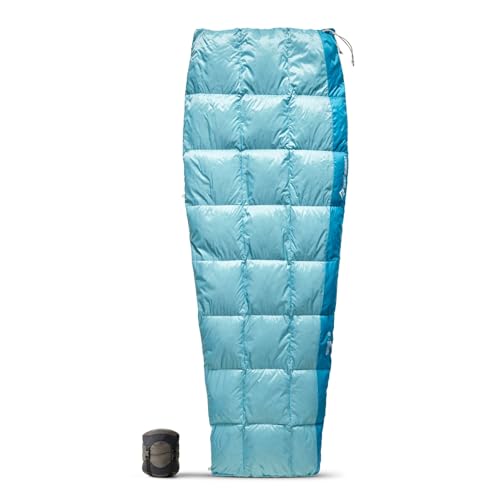
Sea to Summit Traveller Down Sleeping Bag Blanket, 45-Degree, Regular
The Traveller is a hybrid: a mummy bag on one end that unzips fully into a flat blanket on the other. At 45 degrees, it is the warmest-rated bag in this roundup, designed for mild nights, car camping, or travel to warm destinations where you want down comfort without full enclosure.
- Pro: Two modes (bag and blanket) in one product reduce the need for a separate quilt.
- Pro: Down fill keeps it packable for travel despite its generous temperature rating.
- Con: Higher price than the cheaper synthetic bags that offer similar warmth for stationary use.
Skip this if you sleep in temperatures below freezing; the 45-degree rating limits its season.
Sea to Summit Boab Synthetic 2-Season Sleeping Bag, 30-Degree, Regular
At the lowest price among full sleeping bags here, the Boab is the entry-level synthetic option for casual campers who need reliability without the mummy-hood refinement of the Hamelin. Its semi-rectangular shape gives more shoulder room for side sleepers.
- Pro: Most affordable full bag in the lineup by a meaningful margin.
- Pro: Roomier cut than true mummy bags, improving comfort for restless sleepers.
- Con: Packed volume is the largest here, making it poor for long-distance backpacking.
Skip this if you need to minimize pack size or if you camp in temperatures consistently below 30 degrees.
Sea to Summit Spark Pro Ultralight Down Sleeping Bag, 30-Degree, Regular
The Spark Pro is Sea to Summit’s flagship lightweight down bag, engineered for thru-hikers and fast-and-light backpackers who count grams. It compresses to the smallest packed size of any full bag in this group while holding a legitimate 30-degree rating.
- Pro: Exceptional warmth-to-weight ratio; among the lightest bags in the brand’s lineup.
- Pro: Packs down to a fraction of the synthetic options’ volume.
- Con: Highest price here by a wide margin, and down demands moisture management discipline.
Skip this if you camp in wet environments or if budget matters more than ounces on your back.
Sea to Summit Reactor Sleeping Bag Liner, Extreme Compact (78 x 31.5)
The Reactor Extreme is a fleece-type liner that bolts onto any sleeping bag to extend its effective temperature range. Owners report it adds noticeable warmth without significant added weight, and the compact stuffsack keeps it from becoming a packing burden.
- Pro: Meaningful warmth boost for the lowest price among all products in this roundup.
- Pro: Doubles as a standalone summer bag in mild conditions.
- Con: Fixed width may feel snug in a narrow mummy bag shell.
Skip this if your bag already covers your target temperature comfortably; the warmth gain is only useful when you need it.
Sea to Summit Boab Synthetic 2-Season Sleeping Bag, 15-Degree, Regular
This is the colder-weather sibling of the Boab 30-degree, extending synthetic comfort into early winter or high-altitude shoulder seasons while keeping the same generous cut and value price point. It bridges the gap between casual camping and serious cold-weather use on a tighter budget than down alternatives.
- Pro: Lowest-priced bag rated at 15 degrees in this lineup.
- Pro: Synthetic fill means you can shake off frost or light moisture without worrying about insulation collapse.
- Con: Bulky and heavy relative to down bags at the same rating.
Skip this if you backpack long distances; its packed size and weight demand a vehicle-based trip or short carry.
Sea to Summit Traveller Down Sleeping Bag Blanket, 45-Degree, Long
The Long variant of the Traveller addresses the most common fit complaint: sleepers over six feet who feel compressed in a standard-length mummy. Same hybrid bag-to-blanket design, same down fill, extra length to prevent the draft-gap that shorters tolerate and tall sleepers cannot.
- Pro: Proper length eliminates shoulder and foot draft for tall users.
- Pro: Versatile two-mode design remains identical to the Regular version.
- Con: Costs more than the Regular at $239 versus $207 for the same rating.
Skip this if you are under six feet; the Regular fits fine and saves you money.
Sea to Summit Silk Blend Sleeping Bag Liner, Mummy, Standard
The Silk Blend is the lighter, less-insulating counterpart to the Reactor. It suits warm-season campers who want a hygienic barrier or a marginal temperature nudge without fleece bulk. In a mummy cut, it tracks the shape of narrow bags more closely than rectangular liners.
- Pro: Minimal packed footprint and weight; easy to leave in your bag permanently.
- Pro: Silk-cotton blend feels cooler against skin than synthetic fleece in summer.
- Con: Warmth gain is modest; it will not extend a bag’s range the way the Reactor does.
Skip this if your goal is adding measurable warmth; the Reactor Extreme is the better choice at a lower price.
Buying Guide
Temperature Rating: What the Number Actually Means
A bag rated to 30 degrees is designed for a comfortable sleeper at that temperature, not the coldest survivable use. Most sleepers report the EN/ISO comfort limit is where side sleepers start feeling cold, while the lower-limit number applies to curled, clothed sleepers. If you run cold, select a bag rated ten degrees below your expected low or pair a moderate bag with a liner for insurance.
Synthetic vs. Down: Moisture and Pack Size
Down wins every round on packed volume and weight for a given warmth level, which is why the Spark Pro compresses so dramatically. Synthetic wins on wet-condition reliability and price. If your trips involve stream crossings, snowpack melt, or humid coastal nights, the synthetic Boab or Hamelin keeps insulating when a down bag at the same rating would sag. For dry alpine routes or fast-and-light goals, down pays for its premium.
Shape and Size: Mummy, Semi-Rectangular, and Length
Mummy shapes minimize dead air and retain heat efficiently, but they restrict shoulder and hip movement. Semi-rectangular bags like the Boab sacrifice some thermal efficiency for comfort if you toss and turn. Length matters more than most buyers expect; Sea to Summit offers Regular and Long cuts, and a sleeper who exceeds the Regular length by even two inches will lose warmth at the footbox. Always check your shoulder height against the bag’s listed dimensions before ordering.
Our Verdict
The Spark Pro is the top pick for serious backpackers who need maximum warmth at minimum weight and can manage the moisture discipline down demands. The Boab Synthetic 30-Degree is the budget pick, delivering dependable warmth at the lowest price among full bags in the lineup. If your main concern is extending an existing bag’s range rather than buying new, the Reactor Extreme Liner wins on value because it costs less than any bag here while adding meaningful warmth to whatever shell you already own.
FAQ
Can I use a Sea to Summit liner as a standalone bag?
Yes, in mild conditions. The Reactor Extreme performs adequately as a standalone bag on warm summer nights, while the Silk Blend is better suited as a hygiene barrier or minor warmth supplement rather than a solo sleep system.
Is the Spark Pro worth the price over the Hamelin?
It depends on whether packed weight and volume are dealbreakers. The Spark Pro costs more than triple the Hamelin but compresses to a fraction of its size and weighs far less. If you hike more than a few miles to your campsite, the premium pays dividends.
What length should I choose if I am between sizes?
Size up. A Long bag that is slightly too large will still insulate well because you can cinch the hood and footbox, whereas a Regular bag that is too short creates draft gaps at the feet that are difficult to eliminate once you are lying down.
Do synthetic bags lose warmth over time?
All insulation degrades with compression and washing, but synthetic fibers lose loft more gradually than down after repeated stuffing and unstuffing. Sea to Summit bags in both materials benefit from storing loose (hung or in a large mesh sack) rather than permanently compressed in their stuff sacks.