
Tent repair guide know-how can save a trip and a $300 replacement: most tent damage looks worse than it is and fixes in under 30 minutes. This guide walks the common repairs and names six products that fix rips, poles, seams and zippers.
As an Amazon Associate we earn from qualifying purchases.
Our top picks


As an Amazon Associate we earn from qualifying purchases at no extra cost to you.
By Jake Thompson
How to Use This Tent Repair Guide
The core of any tent repair guide is knowing the four common failures, fabric tears, broken poles, leaky seams and stuck zippers, and the simple fix for each. Nearly every one can be handled in the field with a small repair kit, turning a trip-ending problem into a quick patch job.
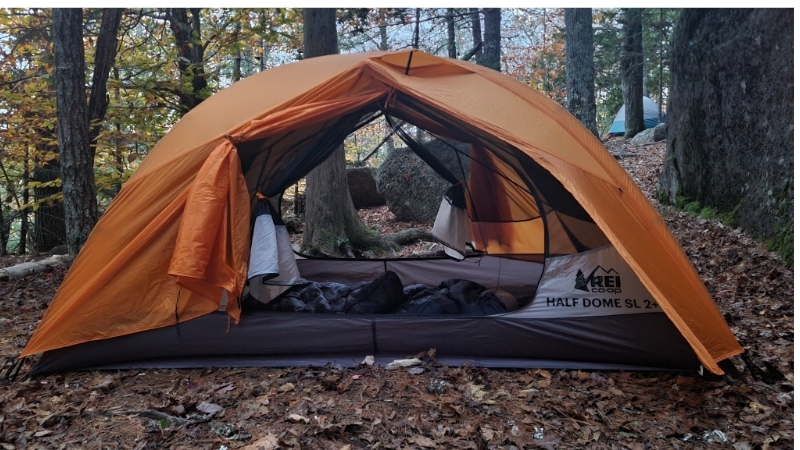
Patch Fabric Tears and Holes
For rips and holes in the tent body or fly, clean and dry the area, then apply repair tape, cutting it with rounded corners so it does not peel and covering the tear on both sides for larger holes. Purpose-made fabric tape bonds permanently and flexes with the fabric, unlike duct tape.
Small punctures and medium tears fix in minutes this way and hold for years. For a more permanent bond or an odd-shaped hole, a urethane fabric adhesive works too. Round the patch corners, press firmly on a clean surface, and most fabric damage is handled without a needle or a trip home.
Splint a Broken Pole
A snapped pole is a tent-killer unless you carry a splint. Straighten any bends, line up the broken sections, slide the aluminum repair sleeve over the break so it centers on it, then wrap each end tightly with tape. This rigid sleeve restores structural support and holds the tent up in wind.
Most tents include a short pole splint for exactly this, and it does one job perfectly. Never improvise with sticks and cord if a splint is available, since the sleeve provides the diameter and rigidity a tent needs. A field splint is temporary, so replace or professionally repair the pole later.
Seal Leaks and Seams
For pinhole leaks, delaminating seams or slow weeping, a urethane seam sealer is the fix. Clean and dry the seam, apply a thin bead along the stitching, and let it cure fully. This waterproof adhesive bonds where tape cannot and stops the drips a fabric patch will not address.
Do a leak test first by spraying the set-up tent with a hose and watching from inside, so you seal only where water actually enters. Match the sealer to your fabric, urethane for most tents, silicone for silnylon, and give it the full cure time, and leaky seams stop letting water through.
Fix Stuck or Broken Zippers
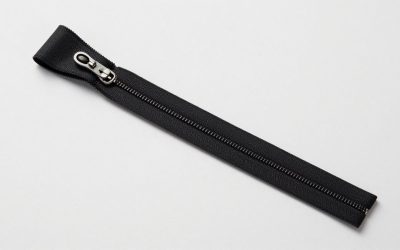
Zippers are the tent’s only moving part and its most common failure. If a zipper sticks, clean and lubricate it with a zipper care product. If the two sides separate as you slide it but the teeth are intact, the slider is worn, and replacing the slider, or fitting a screw-on field slider, is the fix.
Damaged teeth mean the whole zipper needs replacing, a job for a repair shop, but a screw-on replacement slider gets you through a trip in the field without sewing. Keeping zippers clean and lubricated prevents most failures, so treat zipper care as both maintenance and a repair-kit essential.
Top Products From This Tent Repair Guide
These six fix the four common failures, from tears to zippers. This tent repair guide highlights each in the table, then breaks down what it does and its honest drawbacks.
| Product | Fixes | Best For | Approx. Price |
|---|---|---|---|
| Gear Aid Tenacious Tape | Tears and holes | Fabric repairs | Budget |
| Gear Aid Tent Pole Repair Splint | Broken poles | Field pole fix | Budget |
| Gear Aid Seam Grip +WP | Seams and pinholes | Leak repairs | Budget |
| FixnZip | Worn zipper sliders | Field zipper fix | Mid |
| Gear Aid Zip Care | Sticky zippers | Zipper cleaning | Budget |
| Pole Shock Cord Kit | Saggy poles | Restringing poles | Budget |
Gear Aid Tenacious Tape — Best for Fabric Repairs
Tenacious Tape is the gold standard for tears. Its aggressive adhesive bonds instantly and permanently to most nylon and polyester, sealing punctures and tears in tents, flies and footprints, and its low-profile design flexes with the fabric without peeling or leaving duct-tape residue. For fabric repairs, it leads.
It bonds best on clean, dry surfaces and is not a structural fix for the largest tears, and pre-cut patches cost a little more than a roll. For nearly every fabric rip or hole a camper faces, though, it is the fastest, most durable field fix, making it the single most versatile item in a repair kit.
Gear Aid Tent Pole Repair Splint — Best for a Field Pole Fix
The pole repair splint fixes the failure that ends trips. This rigid, lightweight aluminum sleeve slides over a fractured pole section to restore structural support immediately, wrapped with tape to hold it in place. For a broken pole in the field, it is a true hardware fix, not a soft-goods patch.
It is a temporary repair that should be followed by a proper pole replacement, and one splint fixes one break at a time. For any camper, though, it is the difference between a standing tent and a collapsed one in wind, which is why many tents include one and why it belongs in every kit.
Gear Aid Seam Grip +WP — Best for Leak Repairs
Seam Grip +WP handles leaks tape cannot. This urethane adhesive cures to a flexible, waterproof rubber that seals delaminating seams, pinhole leaks and small holes, and it also glues on fabric patches for a permanent bond. For waterproof repairs to seams and coated fabric, it is the dependable fix.
It cures slowly, often overnight, so it suits home or basecamp repairs over quick trailside fixes, and it is messy to apply. For sealing the leaks a fabric patch will not stop, though, its durable, flexible, waterproof bond is exactly right, making it a repair-kit staple alongside the tape and splint.
FixnZip — Best for a Field Zipper Fix
FixnZip revives a failing zipper without sewing. This screw-on replacement slider fits over an existing zipper whose teeth are intact but whose slider has worn out and started separating, restoring function in minutes anywhere. For a field zipper repair, it is the tool that saves a trip.
It is bulkier than the original slider and only works when the teeth are undamaged, not when they are broken. For the common failure of a worn slider that no longer closes the zipper, though, it is a genuine field fix that beats a non-closing door, and it ships and works worldwide.
Gear Aid Zip Care — Best for Zipper Cleaning
Zip Care prevents and fixes sticky zippers. This cleaner and lubricant flushes grit from the teeth and slider, then lubricates them so the zipper glides again. Since dirt is the most common cause of zipper trouble, this cheap product resolves many zipper complaints before they need a slider replacement.
It needs occasional reapplication and cannot repair damaged teeth or a worn-out slider. For keeping zippers running and rescuing a merely gritty one, though, it is an inexpensive, effective fix and preventive that belongs in the kit, complementing the FixnZip for when a slider actually wears out.
Pole Shock Cord Kit — Best for Restringing Poles
A shock cord kit revives poles that will not hold together. Over time the elastic shock cord inside tent poles stretches and frays, leaving sections loose and hard to assemble. Restringing them with fresh cord restores the snap that makes poles easy to pitch, a satisfying, cheap fix for an aging tent.
It takes patience to thread the new cord through every section and tie it correctly, and it is a home repair rather than a field one. For an older tent whose poles have gone slack, though, restringing brings them back to life for a few dollars, extending the tent’s usable years considerably.
What Repair Products Cost in 2026
Repair products are inexpensive, so timing matters little, but a couple of current market forces are worth noting. None change the fixes in this guide.
Tariffs Add Modest Cost
Tape, splints, sealers and zipper parts use imported materials under tariffs that remain in place, adding modest cost. Brands have described future pricing as a moving target, but these are low-priced items, so building a repair kit now rather than waiting is a sensible, cheap insurance policy.
The effect is small on cheap repair items. Value-focused buyers can find repair-kit bundles that combine tape, sealer and a splint at a saving, but the real value is simply having the kit before something breaks, since a $15 repair kit can save a $300 tent.
Build the Kit Before You Need It
The best time to assemble a repair kit is before a trip, not after a failure. A roll of Tenacious Tape, a pole splint, seam sealer and a zipper fix weigh little and cost little, and having them along turns a broken pole or torn fly into a quick patch rather than a ruined trip.
Fall sale events like Prime Big Deal Days in early October and Black Friday in late November occasionally discount repair items, but their low price means having them on hand matters more than timing. Prioritize completeness of the kit over chasing a small markdown on any single item.
Repair Beats Replace
The best value is repairing rather than replacing. Most damage that forces a costly new tent could have been fixed with a cheap kit, so learning these repairs and carrying the products pays for itself the first time a pole snaps or a fly tears far from a store.
If a specific part, a matching pole splint or the right sealer, is prone to selling out, keep it on hand rather than gambling on stock before a trip. Missing a repair item when something breaks can end an outing, so stock the kit ahead and keep your tent trail-ready for years.
Frequently Asked Questions
These are the questions campers ask most about repairing a tent.
What should a tent repair guide kit include?
The essentials for the four common failures: repair tape for tears, a pole splint for broken poles, a urethane seam sealer for leaks, and zipper care plus a spare slider for zippers. A good tent repair guide kit weighs little, fits in a stuff sack, and handles nearly any field problem.
Can I fix a broken tent pole in the field?
Yes. Slide a pole repair splint, the aluminum sleeve many tents include, over the break, align the pole, and wrap each end tightly with tape. This restores structural support and holds the tent up in wind. It is a temporary fix, so replace or professionally repair the pole after the trip.
How do I fix a zipper that keeps separating?
If the teeth are intact, the slider is worn. Replace the slider, or fit a screw-on field slider like a FixnZip, and the zipper closes again. If the teeth themselves are damaged, the whole zipper needs replacing, a repair-shop job. Keeping zippers clean and lubricated prevents most of these failures.
Is repairing a tent worth it versus replacing it?
Almost always. A new three-season tent costs well over a hundred dollars, while most damage fixes with a repair kit costing a fraction of that. Tears, broken poles, leaks and worn sliders are all fixable, so repairing is far cheaper and keeps a good tent in service for many more seasons.
See More:
- Best hiking backpack
- Best backpacking backpack
- Ultralight hiking backpack
- Best hydration backpack
- Best hiking backpack for women
Final Thoughts
A tent repair guide comes down to four fixes and a small kit: patch tears with Tenacious Tape, splint broken poles, seal leaks with Gear Aid Seam Grip, and revive zippers with a spare slider and zipper care. Carry these, and a snapped pole or torn fly becomes a 30-minute patch instead of a ruined trip and a costly replacement.


Write Your Review
No reviews yet. Be the first to share your experience!