
Key takeaways
Best hiking backpack for women picks come down to fit as much as features, because women’s-specific torso lengths, strap shapes and hipbelts change how a load rides. This guide compares six packs by fit, capacity, suspension and weight so you can carry a day pack or a multi-day load in real comfort.
As an Amazon Associate we earn from qualifying purchases.
Our top picks
 BECOJADDE 15L Small Hiking Backpack for Men
- Recommended Uses For Product: Gym, Leisure, Sport, Travel
- Strap Type: Adjustable, Backstraps, Chest Strap
- Pocket Description: Phone Pocket, Side Water Bottle Pocket


 15L Small Hiking Backpack Travel Daypack Colorful
- Other Special Features of the Product: Adjustable
- Recommended Uses For Product: Hiking
- Strap Type: Chest Strap
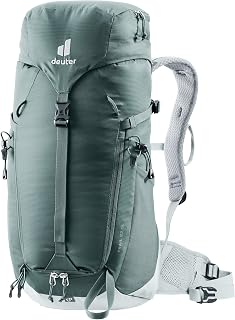
As an Amazon Associate we earn from qualifying purchases at no extra cost to you. Ratings are shown as listed on Amazon.
By Jake Thompson
How to Choose the Right Hiking Backpack for Women
The best hiking backpack for women is not just a smaller unisex pack; women’s packs are re-shaped for different average torso lengths, shoulder contours and hip angles. The specs that decide comfort are fit, capacity, suspension, weight and ventilation, and fit sits at the top of that list for a reason.

Understand Women’s-Specific Fit
Women’s packs typically use shorter torso ranges, narrower and S-curved shoulder straps that clear the chest, and a hipbelt angled for a wider range of hip shapes. These changes let the pack sit correctly and transfer weight to the hips, which is where a comfortable carry actually comes from.
That said, fit is individual. Some women fit unisex packs perfectly, while some men fit women’s packs, so the label matters less than your measured torso length and how the hipbelt wraps your hips. Try a pack loaded before deciding, and let comfort, not the tag, make the call.
Match Capacity to Trip Length
Capacity is measured in liters. Day hikes suit 18-24L, weekend and overnight trips want 40-55L, and multi-day or winter routes push toward 60-70L. Sizing to your longest common trip, rather than an occasional big one, keeps the pack riding well when it is not fully loaded.
Many women end up with one daypack and one 55-65L pack to cover most outings. If you are just starting, a mid-capacity pack like the Osprey Aura or REI Flash 55 is the flexible choice that handles day trips through weekends without feeling oversized.
Weigh Suspension and Comfort
The suspension transfers load to your hips and sets the comfort ceiling. Trampoline mesh systems like Osprey’s AntiGravity breathe well and feel bouncy and light, while close-to-body framesheets like Gregory’s FreeFloat give stronger lumbar support for heavier loads. Each is a valid choice depending on your priorities.
If you carry heavy or want maximum support, a close-to-body pack like the Gregory Deva shines; if breathability and an airy feel matter more, a trampoline pack like the Aura or Eja is the pick. Load-test both styles if you can, since this is largely personal preference.
Balance Weight Against Features
Women’s packs range from ultralight sub-two-and-a-half-pound models to full-featured packs over four pounds. Lighter packs shed padding, pockets and structure to save weight, which is great at low loads but less forgiving under a heavy multi-day kit, so weight and comfort trade against each other.
Think about your loads before chasing the lightest number. If your kit is light, an ultralight women’s pack like the ULA Ultra Circuit is a joy; if you carry heavier gear, the extra padding of the Aura or Deva earns its ounces. Match the pack’s weight class to how you actually hike.
Consider Ventilation for Your Climate
If you hike in heat, a suspended mesh backpanel that holds the pack off your spine keeps you noticeably drier, which many women rate highly for comfort. The tradeoff is the pack sitting slightly farther from your back, which can feel a touch less stable on technical terrain.
Cool-climate hikers can favor the stability and warmth of a padded backpanel instead. There is no universally right answer, only the conditions you hike in most, so weight this by your local climate rather than by a reviewer testing in a different environment.
Top Picks: The Best Hiking Backpack for Women on Any Trail
The best hiking backpack for women depends on fit and load, so these six span a day pack, lightweight and full-featured multi-day packs, and an ultralight option, all in women’s-specific fits. The table sets the specs, then each pick covers who it suits and its honest drawbacks.
| Model | Capacity | Weight | Best For | Price Tier |
|---|---|---|---|---|
| Osprey Aura AG 65 | 65L | ~4 lb 10 oz | Multi-day all-rounder | Premium |
| Gregory Deva 70 | 70L | ~4 lb 11 oz | Heavy loads | Premium |
| Osprey Eja 58 | 58L | ~2 lb 13 oz | Lightweight comfort | Mid |
| Osprey Tempest 20 | 20L | ~2 lb | Day hikes | Mid |
| REI Co-op Flash 55 | 55L | ~3 lb | Best value | Budget |
| ULA Ultra Circuit 68 | 68L | ~2 lb 5 oz | Ultralight | Mid |
Osprey Aura AG 65 — Best Overall
The Aura AG 65 is the women’s version of the popular Atmos and a go-to multi-day pack. Its AntiGravity suspended-mesh backpanel is exceptionally breathable, the women’s-fit harness and sliding torso adjustment tune easily on trail, and a 210D-over-500D nylon body lasts for years. It suits new and experienced backpackers alike.
The downsides are weight and load ceiling: it runs over four and a half pounds and Osprey recommends about 40 pounds (18kg) max, so gear-heavy trips push it. The wide, cushioned hipbelt can also feel warm in heat. For comfort-first women who accept the ounces, it remains the safest all-round pick.
Gregory Deva 70 — Best for Heavy Loads
The Deva is Gregory’s women’s-specific hauler, built to carry big loads close to the body. Its FreeFloat suspension and rotating hipbelt provide strong lumbar support and track your movement over rough ground, and generous organization keeps a full multi-day kit sorted. For heavy or gear-intensive trips, it is a standout.
All that support makes it one of the heavier packs here at over four and a half pounds, and it sits at a premium price, so it is overkill for light three-season loads. But if you consistently carry heavy and want close-to-body stability with strong lumbar support, few women’s packs match it.
Osprey Eja 58 — Best Lightweight Comfort
The Eja 58 is the women’s version of the Exos and a favorite lightweight multi-day pack. At about two pounds thirteen ounces it saves well over a pound versus the Aura while keeping a ventilated trampoline backpanel, an adjustable women’s harness and a padded hipbelt. It is a superb reasonably priced step into lighter loads.
To hit that weight it uses thinner fabrics and a lighter frame, so it tops out near 35 pounds and is less abrasion-proof than burly haulers. The hipbelt padding may feel thin for some. Within its load range, though, it is one of the most comfortable lightweight women’s packs available.
Osprey Tempest 20 — Best for Day Hikes
For single-day outings, the Tempest 20 is the women’s-fit answer to the Talon. It carries up to about 20 pounds on a real framesheet with a pocketed hipbelt, comes in a women’s-specific harness shape, and handles hiking, fast-and-light trips and everyday use with equal ease. It is a genuine do-everything day pack.
Its weakness is weight for the category: around two pounds is heavier than minimalist daypacks like the sub-one-pound REI Flash 22, and some find the latest backpanel less breathable. If you want maximum simplicity, look lighter; if you want support and organization for day trips, the Tempest earns its spot.
REI Co-op Flash 55 — Best Value
The Flash 55 delivers a lot of pack for a budget price and is frequently named the best budget women’s backpacking pack. It is customizable, light at around three pounds, and carries a weekend or thru-hiking load well. For women who want capability without premium spend, it is the obvious starting point.
Its compromises show up in suspension refinement and long-haul comfort under the heaviest loads, where premium frames pull ahead, and it lacks some plush touches. None of that matters much for typical weekend trips, and the value on offer is hard to beat at this price tier.
ULA Ultra Circuit 68 — Best Ultralight
The Ultra Circuit 68 is a thru-hiker favorite offered in a women’s fit, carrying more than its roughly two-and-a-quarter-pound weight suggests. An internal frame with an aluminum stay handles loads to about 35 pounds with class-leading comfort for the weight, and 68L swallows a full multi-day kit. It balances light and capable beautifully.
As a cottage pack it offers less external organization than mainstream packs and can carry longer lead times, and it is fixed to your torso size, so measure carefully. For weight-conscious women who still carry real loads, its comfort-to-weight ratio is hard to match.
What Women’s Hiking Pack Prices Look Like in 2026
A women’s multi-day pack is a real investment, so timing helps. A couple of current market forces affect what the best hiking backpack for women costs and when to buy, without changing which pack fits your body and loads best.
Materials Still Feel Tariff Pressure
These packs use imported nylon and aluminum or steel frames and stays, and metal tariffs remain in place. Brands have called future pricing a moving target, so committing to a well-fitting pack you already like beats waiting for a stable market that may not arrive soon this year.
The impact is uneven. Premium brands have largely held pricing power, while mainstream mid-tier makers discount pre-tariff inventory. If budget matters, watch the mid-tier for closeouts, where a value pick like the Flash 55 can become even more attractive on sale.
Buy Early for Fit and Stock
Fit is everything with women’s packs, and stock is deepest in late summer and early fall before popular sizes thin out. Buying early lets you get fitted, load-test the pack on a short trip and dial in the torso and hipbelt before a big route, which is worth more than a small discount.
The fall calendar offers two windows: Prime Big Deal Days in early October and Black Friday and Cyber Monday in late November, when discounts run deepest. Build a wishlist now and track prices so you can act when your size and color drop, since those sell out fastest.
Spend Where Fit and Comfort Live
Put your money toward suspension and fit, which matter most under load and over long miles. Heavy carriers get real value from a premium hauler like the Deva, while moderate weekend loads are well served by a budget pack that costs far less and still fits well.
If your torso size or preferred color is prone to selling out, buy early in a sale window rather than gambling on peak stock. Missing the right fit costs far more than a small discount, especially in less common sizes that vanish first each fall.
Frequently Asked Questions
These are the questions women ask most when shopping for a hiking pack.
Do I really need the best hiking backpack for women, or will a unisex pack work?
It depends on your body. Women’s packs use shorter torsos, S-curved straps and re-shaped hipbelts that fit many women better, but some fit unisex packs perfectly. The best hiking backpack for women is whichever one, women’s-cut or unisex, matches your measured torso and wraps your hips comfortably under load.
How do I measure my torso for a pack?
Measure from the C7 vertebra, the bump at the base of your neck when you tilt your head forward, down to the top of your hip bones (iliac crest). That length, not your height, determines pack size. Adjustable-harness packs cover a range; cottage packs must be ordered to your measurement.
What capacity is best for a beginner?
For most new hikers, a 40-55L pack covers day trips through weekend overnights, where beginners spend the most time. A well-fitting mid-capacity pack like the Aura AG 65 or REI Flash 55 is usually a better first choice than a large expedition pack you will rarely fill.
Are lighter women’s packs worth it?
They can be, if your kit is light. Ultralight packs like the ULA Ultra Circuit save real weight but carry less and use thinner fabrics. If you carry heavier loads or are still refining your gear, a padded pack like the Aura or Eja is more forgiving and comfortable.
See More:
Final Thoughts
The best hiking backpack for women is the one that fits your torso and hips and matches your loads, not the priciest or lightest on paper. The Aura AG 65 is the safest all-rounder, the Deva hauls heavy loads in comfort, and the Tempest 20 owns day hikes. Prioritize fit first, then time your purchase around fall sales, and any pick here will serve you for many seasons.


Write Your Review
No reviews yet. Be the first to share your experience!