Key takeaways
- Budget freestanding setup: $40 to $130 for the tent, plus $10 to $30 for a footprint or replacement stakes. A basic two-person dome priced for under $40 may be inexpensive to enter, while a larger six-person model priced for under $150 costs more but serves more campers.
- Midrange freestanding setup: $150 to $400, often with better poles, weather protection, ventilation, and warranty support.
- Budget trekking pole setup: $44 to $120 for the shelter, plus $20 to $150 for trekking poles if you do not already own them. Add $10 to $30 for stakes and a groundsheet.
- Premium trekking pole setup: $200 to $600, particularly for ultralight fabrics, specialized coatings, or larger two-person interiors.
Choosing between a freestanding tent and a trekking pole tent is less about which design is universally better and more about how, where, and how often you plan to use it. A freestanding tent uses dedicated poles to hold its shape, while a trekking pole tent relies on one or two hiking poles for support and usually needs stakes and tensioned guylines to reach its full size.
That distinction affects nearly everything: setup, interior room, packed weight, weather performance, storage, and even how easily the shelter fits into a small apartment. A casual camper who wants a quick, forgiving setup may value a conventional freestanding design. A backpacker counting every ounce may prefer a trekking pole model, especially if they already carry compatible poles.
Our top picks

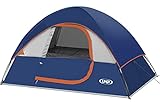
 UNP 2 Person Tent for Camping Waterproof
- Occupancy: 6 Person
- Seasons: 4 Season
- Water Resistance Technology: 1500 Mm

As an Amazon Associate we earn from qualifying purchases at no extra cost to you. Ratings are shown as listed on Amazon.
For 2026, the choice is also broader than it once was. Freestanding tents range from compact one-person domes to six-person family shelters, while trekking pole tents now include lightweight solo designs and roomier two-person options. Here is how the two categories compare in practical terms.
Quick Verdict
Choose a freestanding tent if you want straightforward setup, better convenience on hard or rocky ground, more usable headroom, or a comfortable shelter for family camping. It is usually the safer choice for car camping, first-time campers, and anyone who wants to move or shake out the tent before fully staking it.
Choose a trekking pole tent if low weight, compact packing, and efficient backpacking matter most. These tents can weigh roughly 1.5 to 3 pounds without stakes, compared with approximately 3 to 15 pounds for many freestanding tents, depending on capacity. The trade-off is a more demanding pitch and less forgiving interior geometry.
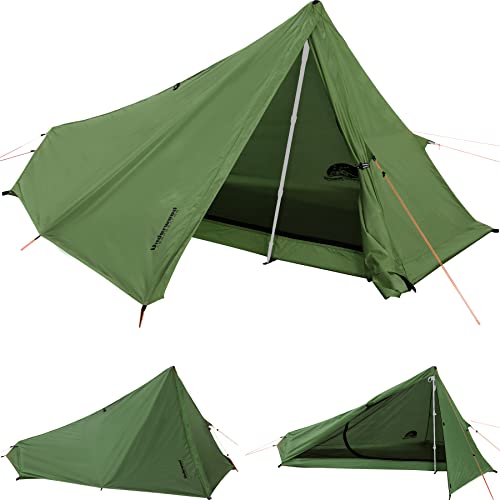
For reference, the listed products span a wide price range: a basic UNP two-person freestanding dome is priced for under $40, while the six-person FanttikOutdoor Zeta C6 Pro is under $150. Trekking pole examples range from a under-$50 one-person tent without poles to the $89 TOMOUNT one-to-two-person model. These prices illustrate category differences, not a guarantee of equal materials or performance.
Side by Side
| Factor | Freestanding tent | Trekking pole tent |
|---|---|---|
| Comfort | More vertical walls and predictable headroom; easier entry and exit. | Efficient but often tapered; sloping walls can reduce sitting and sleeping space. |
| Durability | Dedicated poles distribute structure well, but pole sections can bend or break. | Fewer structural parts, though fabric and stake tension carry more responsibility. |
| Price range | About $40 to $250 for common recreational models; premium versions cost more. | About $44 to $300, often excluding trekking poles, stakes, or a groundsheet. |
| Maintenance | More parts to dry, clean, and store; pole shock cord may eventually need service. | Simple pole-free storage, but precise pitching and seam care are important. |
| Space needed | Typically requires a larger, flatter footprint, often 35 to 90 square feet. | Usually uses a smaller footprint, commonly 20 to 40 square feet, plus guyline clearance. |
| Look | Classic dome or cabin profile with a familiar camping appearance. | Low, streamlined, minimalist profile with steep or sharply angled panels. |
| Resale | Broad buyer appeal, especially for complete family-sized sets. | Appeals strongly to backpackers but has a smaller, more specialized market. |
| Best for | Car camping, families, pets, festivals, and simple setup. | Backpacking, fast-and-light trips, solo travel, and limited storage. |
| Setup | Usually intuitive; many models can stand before every stake is placed. | Requires correct pole height, stake placement, and fabric tension. |
| Weather flexibility | Often easier to tension evenly and more stable on mixed campsites. | Can shed wind and rain well when pitched correctly, but poor setup reduces protection. |
Where Freestanding Tent Wins
The biggest advantage is convenience. A freestanding tent can usually be assembled by connecting its poles, clipping the tent body to the frame, and adding the rainfly. Stakes improve stability, but the structure does not depend entirely on them. That matters on gravel, packed soil, wooden platforms, or crowded campgrounds where finding the ideal stake placement is difficult.
Freestanding designs also tend to provide more comfortable interior space. A two-person dome may offer enough height for sitting near the center, while larger cabin-style models can provide nearly vertical sidewalls. A six-person tent such as the FanttikOutdoor Zeta C6 Pro is aimed at group and family camping rather than lightweight travel, and its larger footprint is better suited to a developed campsite than a narrow backcountry site.
Cleaning is easier, too. You can lift a freestanding tent and shake out leaves, sand, or crumbs before packing it. That is particularly useful when children or pets are involved. A conventional rainfly can also create a generous vestibule for shoes, coolers, or muddy gear.
The disadvantages are weight and bulk. A family tent may weigh 10 to 20 pounds or more, and even a basic two-person dome often occupies a cylindrical bag roughly 18 to 24 inches long. The pole set adds hard components that take up room in a vehicle or storage closet. The many low-cost options can be excellent values, but inexpensive fabric, zippers, and poles may not tolerate years of heavy use as well as premium equipment.
Where Trekking Pole Tent Wins
Trekking pole tents eliminate dedicated tent poles, which can substantially reduce packed weight. If you already hike with adjustable poles, the shelter uses equipment you are carrying anyway. A solo model may pack to less than 18 inches long and fit inside a backpack more easily than a conventional tent with rigid pole sections.
These tents also make efficient use of floor area. A 20- to 30-square-foot interior can be enough for one sleeper and a small amount of gear, while a two-person model may use a footprint around 25 to 40 square feet. That smaller footprint is helpful at crowded campsites or on narrow backcountry benches.
With a low profile and properly tensioned guylines, a trekking pole tent can present less surface area to wind than a tall family tent. It may also use less fabric and fewer components, making field repairs relatively simple. A under-$50 one-person model listed without poles can be an inexpensive way to explore the format, provided you budget for compatible poles or already own them. The $89 TOMOUNT one-to-two-person option illustrates the higher end of the referenced entry-level range.
The learning curve is the main drawback. A trekking pole tent typically needs firm ground for stakes, enough room for guylines, and careful adjustment of pole height. On uneven terrain, a small change in stake position can affect the entire pitch. Interior condensation can also be noticeable because many designs have low walls and limited air volume. Ventilation, a dry groundsheet, and leaving appropriate gaps between inner and outer layers are essential.
Cost Over 5 Years
Purchase price tells only part of the story. A realistic five-year budget should include the shelter, replacement stakes, repairs, storage, and any missing accessories.
- Budget freestanding setup: $40 to $130 for the tent, plus $10 to $30 for a footprint or replacement stakes. A basic two-person dome priced for under $40 may be inexpensive to enter, while a larger six-person model priced for under $150 costs more but serves more campers.
- Midrange freestanding setup: $150 to $400, often with better poles, weather protection, ventilation, and warranty support.
- Budget trekking pole setup: $44 to $120 for the shelter, plus $20 to $150 for trekking poles if you do not already own them. Add $10 to $30 for stakes and a groundsheet.
- Premium trekking pole setup: $200 to $600, particularly for ultralight fabrics, specialized coatings, or larger two-person interiors.
Over five years, occasional campers may spend less on either category if the tent is dried completely after use and stored loosely rather than compressed. Frequent backpackers may save money with a trekking pole tent because it reduces pack strain and uses existing poles. However, ultralight fabric can require more careful handling, and replacing a specialized canopy may erase the initial savings.
Which One for Your Home
Small apartment
A trekking pole tent usually fits better in a small apartment because it has fewer rigid parts and a smaller packed volume. A storage bin measuring about 18 by 12 by 8 inches may hold a compact shelter, stakes, and guylines, although exact packed sizes vary. If you do not hike, consider whether buying trekking poles separately defeats the space and cost advantage. A compact two-person freestanding tent can still work if you value easier setup and have a closet or under-bed storage area.
Family with kids or pets
Choose a freestanding tent. Families benefit from higher ceilings, wider doors, stronger organization options, and the ability to stand or sit without carefully avoiding sloped walls. A four- to six-person model is usually more comfortable than trying to squeeze several people into a lightweight two-person shelter. The extra weight matters less when the tent travels in a car, and a vestibule helps keep wet shoes and pet gear outside the sleeping area.
Rental
For a rental home or apartment, portability and minimal storage impact are priorities. A trekking pole tent is a good fit if the user already backpacks and understands how to pitch it. Otherwise, a simple freestanding dome is more transferable to the next home because nearly anyone can assemble it. Avoid choosing based only on the lowest price; include the cost of missing poles, stakes, footprint, and a storage solution.
Long-term home
For a household that camps several times each year, buy for the activity rather than the closet. Frequent car campers should lean freestanding, especially if trips include children, pets, uncertain weather, or established campgrounds. Frequent backpackers should choose a trekking pole tent after confirming that their poles adjust to the required height, often around 120 to 140 centimeters depending on the design. A tent used regularly is more likely to repay a higher initial cost through comfort, durability, and easier repairs.
FAQ
Is a freestanding tent easier to set up?
Usually, yes. Its poles create the main structure, so the tent is less dependent on exact stake placement. You still need to stake and guy out the tent in wind, but the basic shape is typically more intuitive.
Are trekking pole tents waterproof?
They can be, but waterproofing depends on the fabric, coatings, seams, bathtub floor, rainfly coverage, and pitch. A poorly tensioned trekking pole tent can allow water to pool or splash inside even when its materials are water-resistant.
Do trekking pole tents include trekking poles?
Not always. Many are sold as shelters only, and the listed one-person example specifically states “NO POLES.” Check the package contents and required pole height before buying. Hiking poles must also be securely locked at the correct length.
Which type lasts longer?
Neither type automatically lasts longer. A well-made freestanding tent may withstand frequent family use, while a carefully handled trekking pole tent can last many seasons. Dry the tent before storage, avoid packing it with dirt or sharp objects, and inspect seams, zippers, poles, and stake points after every trip.