Key takeaways
- The listing gives a person count but omits floor dimensions, packed weight, or peak height.
- “Waterproof” appears without a rainfly description, seam information, or floor construction details.
- The photo shows a spacious tent, but the stated floor area is under 30 square feet.
- The product has no visible vents or mesh panels, increasing condensation risk.
- The package includes only a few stakes for a tent with multiple guy points.
- Reviews repeatedly mention broken pole sections, leaking seams, missing parts, or difficult zippers.
- The return policy excludes opened outdoor equipment or does not clearly explain replacement parts.
Choosing a two-person tent sounds simple until you compare floor dimensions, packed weight, pole materials, rain protection, and setup claims. The most common mistake is treating “two-person” as a precise size rather than a capacity label. In practice, a two-person tent may be comfortable for one adult and gear, barely adequate for two adults, or roomy enough for a couple who pack lightly.
Another frequent error is buying for the best-case forecast. A tent that feels spacious and easy to pitch in a backyard may be frustrating in wind, rain, or on a narrow backpacking site. Shoppers also tend to overvalue a low price while overlooking the cost of a footprint, better stakes, a larger rainfly, or replacement parts.
Our top picks


As an Amazon Associate we earn from qualifying purchases at no extra cost to you. Ratings are shown as listed on Amazon.
This guide explains how to choose a two person tent by separating the features that affect real use from marketing language. Whether you are comparing an inexpensive dome tent, a family-oriented Coleman Sundome, or a lighter backpacking model such as the Night Cat, start with your trip rather than the product name.
Decide These 3 Things First
- Who will use it? One person with equipment can often use a two-person tent comfortably. Two adults need to check the actual floor width and length, not just the capacity rating.
- How will you transport it? For car camping, a packed weight of 6 to 10 pounds may be acceptable. For hiking, aim closer to 3 to 5 pounds total, including poles, stakes, rainfly, and storage bag.
- What weather is realistic? Fair-weather backyard camping has different requirements from shoulder-season trips with sustained rain and strong wind. Decide whether you need a three-season shelter, a large vestibule, or simply good ventilation and a reliable rainfly.
Size: Check the Floor, Peak Height, and Gear Space
A conventional two-person tent is usually about 30 to 35 square feet inside, with a floor approximately 84 to 90 inches long and 48 to 60 inches wide. That is enough for two standard sleeping pads placed side by side, but it may leave little room for boots, backpacks, or a dog.
For two adults, look for at least 35 square feet if you expect to spend time inside during bad weather. A width of 54 to 60 inches is more comfortable than a 48-inch floor. Tall campers should prioritize a floor length of at least 88 inches and check whether the walls slope sharply near the head and foot ends.
Peak height matters less for sleeping than floor area, but it affects changing clothes and sitting up. A peak height of 36 to 42 inches is typical for a backpacking tent. Dome and family-style tents may reach 48 to 60 inches. Remember that the highest point is usually limited to the center; usable standing or sitting room may be much smaller.
If you bring two large packs, choose a tent with a vestibule of roughly 7 to 15 square feet or more. A vestibule keeps wet shoes and equipment outside the sleeping area without forcing you to store them in the open.
Material: Balance Weight, Weather Resistance, and Longevity
Most affordable tent bodies use polyester, while backpacking models may use lighter nylon. Polyester generally resists stretching when wet and offers good value. Nylon can provide a lower packed weight, but it may absorb water, stretch in rain, and require more careful tensioning.
For the rainfly and floor, check the fabric denier. A 68D polyester floor is a common durability benchmark for budget and midrange tents. Ultralight tents may use fabrics from approximately 20D to 40D, which save weight but require greater care with sharp ground, rough handling, and abrasive surfaces.
Waterproof ratings are useful but not the whole story. A hydrostatic-head rating around 1,500 to 3,000 millimeters is common for rainflies and floors, while higher ratings may offer more margin in prolonged rain. Sealed seams, a bathtub-style floor that rises several inches up the sides, and a rainfly that extends over doors are equally important.
For ordinary three-season camping, prioritize a fully covered rainfly and a floor with a raised perimeter. A tent marketed as water-resistant but lacking a full rainfly is better suited to dry-weather use than dependable wet-weather camping.
Construction: Examine Poles, Seams, and Anchoring
Fiberglass poles keep entry-level tents inexpensive, but they are heavier and more vulnerable to splintering or cracking under repeated flexing. Aluminum poles usually cost more and are a better choice for backpacking or windy campsites. A two-person tent with aluminum poles commonly weighs less than a comparable fiberglass model, though the exact difference varies by design.
Look for color-coded pole sleeves or clips, reinforced pole connection points, and metal or robust polymer grommets. Continuous sleeves can distribute stress well but may take longer to assemble. External clips are often quicker and improve ventilation by lifting the tent body away from the fly.
Seams should be factory taped or sealed, especially on the floor and rainfly. A separate seam-sealing kit can improve protection, but do not assume every inexpensive tent arrives fully sealed. The floor should have reinforced corners, and the included stakes should be sturdy enough for the intended ground. For regular camping, replacing thin wire stakes with 6- to 8-inch steel or aluminum stakes is a modest upgrade.
Wind stability depends on more than a tall waterproof rating. A lower dome profile, multiple guy-out points, taut fly attachment, and enough stakes to secure every corner are meaningful advantages. No standard two-person tent should be treated as a severe-weather or mountaineering shelter unless it is specifically designed and rated for that use.
Comfort and Performance: Ventilation Matters at Night
Condensation is one of the most common sources of discomfort. Two adults breathe out moisture overnight, so prioritize at least two vents, generous mesh panels, and doors that can be partially opened under the rainfly. A fully mesh inner canopy is excellent in warm, dry conditions, provided the fly can be tensioned properly when rain arrives.
Two doors and two vestibules are convenient but often add weight and cost. One door can work well for a solo camper or a couple who does not mind climbing over gear. For two adults, dual doors reduce nighttime disruption and make it easier to ventilate both sides of the tent.
Consider the packed dimensions as carefully as the weight. A tent weighing 4 pounds is not especially useful for backpacking if it packs into a 24-inch-long bag that will not fit comfortably inside or on your pack. For car camping, packed size is less important, while interior height, storage pockets, and a wider floor may matter more.
Do not rely on “sets up in 10 minutes” as a universal promise. Setup times depend on experience, wind, and whether the tent is fully guyed out. Before a trip, practice once at home and learn how the rainfly, clips, poles, and stakes fit together.
Price Tiers: Know What You Gain
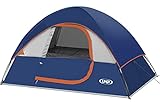
Budget: about $35 to $60. This range includes basic dome tents such as the UNP two-person model listed for under $40 and the Amazon Basics two-person dome listed for under $40. Expect fiberglass poles, heavier fabric, a simpler ventilation layout, and enough room for occasional car camping. These tents can be excellent values when used in mild weather, but inspect seam coverage and included stakes carefully.
Midrange: about $60 to $120. You may get better pole hardware, stronger floor fabric, improved ventilation, more reliable rainfly coverage, and easier setup. Some larger two-person or compact three-person tents fall into this range. A Coleman Sundome example listed for under $80 illustrates how a roomier, car-camping-oriented design can cost more than a minimalist dome.
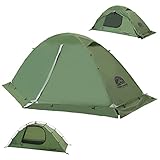
Premium and lightweight: about $120 to $350 or more. Here, buyers are primarily paying for lower weight, aluminum poles, refined weather protection, better hardware, and thoughtful packed dimensions. A lightweight model such as the Night Cat two-person backpacking tent, listed for under $60 in the examples, may offer a lower-cost entry into backpacking, but compare its actual packed weight and materials with more expensive options before assuming it is ultralight.
Price is not a substitute for fit. A $200 tent that is too short or poorly ventilated is a worse purchase than a $50 tent that matches your occasional, fair-weather use.
Warranty: Treat It as a Safety Net, Not a Feature
Check the warranty period, what defects are covered, and whether poles, zippers, mesh, and seam failure are included. A one-year limited warranty is common for inexpensive tents, while some outdoor brands offer longer coverage on manufacturing defects. Normal wear, storm damage, mildew, abrasion, and improper storage are often excluded.
Keep the receipt, product registration information, and photos of any defect. Also confirm whether the manufacturer sells replacement poles or compatible parts. A repairable tent can remain useful for years after a single pole section or buckle fails.
Delivery and Assembly: Evaluate the Complete Buying Experience
Before ordering, confirm the packed dimensions, shipping weight, return window, and whether the tent arrives with poles, rainfly, stakes, guylines, and a carry bag. Some listings show a tent body prominently while treating accessories as separate or optional.
When it arrives, assemble it indoors or in a clean yard before the return period ends. Check every zipper, clip, pole section, seam, and buckle. Measure the floor if the listing provides unclear dimensions, and verify that the rainfly reaches all intended attachment points. Never wait until a campsite to discover that a pole is missing or a door does not close smoothly.
Spec Checklist
| Spec | Budget | Mid | Premium |
|---|---|---|---|
| Typical price | $35–$60 | $60–$120 | $120–$350+ |
| Interior floor area | 30–35 sq. ft. | 33–42 sq. ft. | 28–40 sq. ft., often optimized for weight |
| Typical packed weight | 6–10 lb. | 4.5–8 lb. | 2.5–5 lb. |
| Floor length | 84–88 in. | 84–90 in. | 88–92 in. common |
| Pole material | Fiberglass | Fiberglass or aluminum | Aluminum or specialized lightweight poles |
| Rain protection | Rainfly; verify seam coverage | Fuller rainfly and bathtub floor | Full coverage, refined details, stronger storm tensioning |
| Best use | Backyard and fair-weather car camping | Regular three-season camping | Frequent backpacking or demanding use |
Red Flags
- The listing gives a person count but omits floor dimensions, packed weight, or peak height.
- “Waterproof” appears without a rainfly description, seam information, or floor construction details.
- The photo shows a spacious tent, but the stated floor area is under 30 square feet.
- The product has no visible vents or mesh panels, increasing condensation risk.
- The package includes only a few stakes for a tent with multiple guy points.
- Reviews repeatedly mention broken pole sections, leaking seams, missing parts, or difficult zippers.
- The return policy excludes opened outdoor equipment or does not clearly explain replacement parts.
FAQ
Is a two-person tent big enough for two adults?
Usually, but not always comfortably. Look for at least 35 square feet and a floor width of 54 to 60 inches for two adults. A 48-inch-wide tent is generally better for one person with gear or two people who pack very lightly.
What is the ideal weight for a two-person backpacking tent?
A total packed weight of 3 to 5 pounds is a practical target for many backpackers. Below 3 pounds is attractive for long-distance hiking, but ultralight fabrics and hardware may require more careful setup and handling.
Do I need a footprint?
A footprint is not mandatory, but it can protect the tent floor from abrasion and moisture. It should be slightly smaller than the tent floor so rain cannot collect on exposed fabric and run underneath the shelter.
Should I choose a two-person or three-person tent?
Choose a three-person tent if two adults want room for clothing, electronics, or a dog, or if you expect to wait out bad weather indoors. Choose a two-person model when lower weight, smaller campsite requirements, and easier transport matter more than interior space.