Key takeaways
- Fabric, mesh, or a loose thread caught inside the slider.
- Sand, mud, or salt filling the zipper teeth.
- A gap behind the slider showing that the teeth are no longer engaging correctly.
A stuck tent zipper is usually caused by fabric caught in the slider, dirt packed into the teeth, or a slider that has been pulled out of alignment. The safest fix is slow and gentle: forcing the pull can bend the slider, separate the zipper teeth, or tear the tent door. In the worst case, a small snag becomes a long rip that lets in rain, insects, and wind. This guide explains how to fix a stuck tent zipper without damaging the fabric, plus when cleaning is enough and when the zipper needs replacement.
Work in good light and avoid yanking from the middle of the tent door. If the zipper is under tension, loosen the surrounding fabric first. The same method works for most nylon and polyester tent doors, vestibules, sleeping-bag compartments, and gear bags.
Our top picks


As an Amazon Associate we earn from qualifying purchases at no extra cost to you. Ratings are shown as listed on Amazon.
What You Need
| Item | Why | Optional? |
|---|---|---|
| Soft-bristle toothbrush or small nylon brush | Removes grit, sand, and dried mud from the zipper teeth without scraping the coating. | No |
| Clean, dry microfiber cloth | Blots moisture and wipes away loosened debris or excess lubricant. | No |
| Warm water and mild dish soap | Cleans mud, salt, food residue, and body oils from the zipper. | No, if the zipper is only lightly dirty |
| Fine-tip tweezers | Helps extract thread, mesh, or a small fold of fabric from the slider. | Yes |
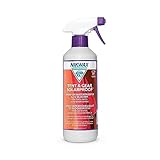
| GEAR AID Zipper Cleaner and Lubricant, 2 fl oz, about $5 | Provides a zipper-safe cleaner and lubricant for tents, wetsuits, and bags. | Yes, but useful for recurring sticking |
| Small flashlight | Makes bent teeth, trapped threads, and gaps easier to see. | Yes |
| Replacement zipper slider or repair kit | May solve a worn or distorted slider without replacing the entire zipper. | Yes, for damaged hardware |
Do not use cooking oil, petroleum jelly, candle wax, or a spray lubricant meant for hinges. These products can attract grit, stain nylon, weaken some coatings, or make future cleaning harder. A zipper-specific lubricant is the better choice.
Step-by-Step
1. Remove tension from the tent door (2 minutes)
Unclip the door from its tiebacks and open the tent as much as possible. If the tent is pitched tightly, loosen the nearest guyline or stake slightly so the zipper tape is not stretched. Lay the affected section flat. Hold the fabric on both sides of the zipper rather than pulling only on the tab.
If you are fixing the zipper outdoors, shield the area from wind so more sand does not blow into the teeth. A shaded, dry workspace is ideal.
2. Identify exactly what is stuck (3 minutes)
Inspect both sides of the slider with a flashlight. Look for three common problems:
- Fabric, mesh, or a loose thread caught inside the slider.
- Sand, mud, or salt filling the zipper teeth.
- A gap behind the slider showing that the teeth are no longer engaging correctly.
Note the direction in which the zipper last moved. Do not immediately pull harder in that direction. If fabric is trapped, moving the slider farther can chew a larger hole in the door.
3. Back the slider up carefully (2 to 5 minutes)
Hold the zipper tape close to the slider with one hand. With the other hand, apply very light pressure to the pull tab in the opposite direction of travel. Use short movements of about 1/8 inch rather than one long tug.
As the slider moves, gently pull the trapped fabric away from the slider at a right angle. Never use the tent fabric as leverage. If the pull will not move, stop and go to the next step instead of increasing force.
4. Free trapped fabric or thread (3 to 8 minutes)
Once the slider has backed up slightly, pinch the trapped material with your fingers or fine-tip tweezers. Pull the material parallel to the zipper tape, not straight up. A thread may need to be teased out a strand at a time.
For a stubborn fold, press the fabric flat with your fingertip while rocking the slider backward by a few millimeters. Do not cut anything until you can clearly distinguish a loose thread from the zipper tape or tent seam. Cutting the wrong strand can compromise the door’s stitching.
5. Clean the zipper teeth (5 to 10 minutes)
Brush along both rows of teeth using a dry, soft-bristle toothbrush. Work from the slider outward. Turn the tent door over and brush the reverse side as well, because grit can hide between the zipper tape and fabric.
If mud or salt remains, dampen a cloth with warm water and a small amount of mild dish soap. Wipe the teeth and tape, then remove soap with a second cloth lightly dampened with clean water. Keep the tent fabric as dry as practical. Let the zipper air-dry completely before applying lubricant.
6. Apply zipper lubricant sparingly (2 minutes)
Apply a thin layer of a zipper-specific product, such as GEAR AID Zipper Cleaner and Lubricant. A small amount on the teeth and slider is enough; excess product can attract dust. Follow the product label, especially if the zipper has a waterproof coating.
Work the slider backward and forward over a short section, moving only 1/4 to 1/2 inch at a time. Wipe away visible residue with a microfiber cloth. The slider should feel smoother, not greasy.
7. Test the full zipper gradually (3 to 5 minutes)
Close the zipper a few inches at a time while keeping the two sides aligned. Stop if the teeth separate, the slider angles sideways, or fabric begins feeding into the opening. After each short section, inspect the teeth behind the slider.
Once the zipper reaches the end, open and close it two or three times. Keep the door relaxed during our research. Then retension the tent and test it once more, because a zipper that works loosely may bind when the shelter is pitched tight.
8. Protect the repair (5 minutes)
Allow any damp cleaning area to dry before packing the tent. Check for loose stitching, frayed zipper tape, or a missing stop at the end of the track. If the zipper works but the door has a small tear, cover the area temporarily with repair tape designed for tent fabric and arrange a permanent repair before the next trip.
If you need a temporary zipper opening for a tarp, greenhouse, or debris barrier rather than a sewn tent door, a peel-and-stick product such as the VIVOSUN 1-Pack Self Adhesive Zipper Door, 3 inches by 7 feet, is commonly priced around $15. It is not a replacement for a damaged sewn-in tent zipper, but it can create an access opening in compatible sheet material.
Mistakes to Avoid
- Do not yank the pull. A zipper pull is not designed to overcome a trapped seam or a heavily contaminated track.
- Do not pull the door fabric in opposite directions. This increases tension and can tear the zipper tape.
- Do not scrape with a knife, needle, or metal brush. Sharp tools can damage teeth, coatings, and waterproof fabric.
- Do not lubricate over sand. Oil or zipper lubricant can bind grit to the track. Clean first.
- Do not wash the whole tent just to clean the zipper. Spot-cleaning is usually sufficient and avoids unnecessary wear.
- Do not store the tent wet. Mildew and stiffened residue can make future zipper problems worse.
How Often
Inspect and brush the zipper before every trip, especially after camping at a beach, in dusty terrain, or in muddy conditions. Apply zipper lubricant when the slider feels rough, squeaks, or requires more pressure than usual—not automatically after every use. For a frequently used tent, a light cleaning every three to five trips is a reasonable starting point. Clean immediately after exposure to saltwater, fine sand, tree sap, or spilled food.
Before long-term storage, close the zipper partway, remove visible grit, and store the completely dry tent loosely in a breathable storage bag. Avoid compressing the zipper into a sharp fold.
When to Call a Pro or Replace
Stop troubleshooting if the zipper teeth are missing, permanently bent, split away from the tape, or repeatedly separate after cleaning. A slider that is visibly cracked or badly distorted may need replacement. A gear-repair shop can often install a new slider or sew in a replacement zipper, but the cost varies with zipper length, access, waterproof construction, and damage to the surrounding fabric.
Consider replacing the tent when the zipper has extensive tape failure, the door fabric is torn along more than a few inches, or repair costs approach the value of a replacement shelter. A temporary fix may be acceptable for one night, but a door that cannot close securely is a safety and weather-resistance problem.
FAQ
Can I use a pencil on a stuck tent zipper?
Graphite may provide brief lubrication, but it can leave dark marks and does not remove grit. Use a zipper-specific cleaner and lubricant after cleaning instead.
Why does my zipper keep opening behind the slider?
The slider may be worn, widened, or misaligned, or the teeth may be damaged. Cleaning can help if debris is the cause, but repeated separation usually indicates a slider or zipper-track repair.
Should I force the zipper open or closed?
No. Reduce fabric tension, back the slider up in short movements, and remove the obstruction. Forcing it can turn a minor snag into a torn zipper tape or damaged tent door.
Can a stuck waterproof zipper be repaired the same way?
Use the same gentle inspection and cleaning process, but choose a product labeled safe for that zipper type and follow its instructions. Avoid harsh solvents and excess lubricant, which may affect the waterproof coating.