
Tent maintenance is the cheap habit that makes an expensive tent last a decade: clean it, dry it fully, store it loose, and refresh coatings before they fail. This guide walks the routine and names six products that keep your shelter in shape.
As an Amazon Associate we earn from qualifying purchases.
Our top picks




As an Amazon Associate we earn from qualifying purchases at no extra cost to you.
By Jake Thompson
How to Approach Tent Maintenance
Good tent maintenance is mostly prevention: keep the tent clean, always dry it completely, store it loose and cool, and refresh its waterproofing and zippers before they fail. These habits cost little and add years of life, turning care into the best value upgrade you can give any tent.

Clean After Every Trip
After each trip, shake out dirt and debris, then spot-clean with a sponge and a technical cleaner, never household detergents, which strip coatings. Pay attention to zippers and the floor, where grit accumulates. A clean tent lasts longer, and dirt left on fabric abrades it and degrades coatings over time.
Avoid machine washing, which can damage coatings, mesh and taped seams, especially on framed and technical tents. Hand cleaning with cool water and a dedicated wash is gentler and just as effective. Regular light cleaning prevents the buildup that shortens a tent’s life and keeps treatments working.
Always Dry It Fully
The single most important habit is drying the tent completely before storage. Packing it damp invites mildew, odor and coating breakdown that can ruin a tent in one season. If you must pack up wet in the field, set the tent up or hang it to dry fully as soon as you get home.
Air-dry out of direct sun, since prolonged UV weakens fabric even as it dries. Make sure the floor, seams and stuff sack are all bone-dry before packing. This one discipline, never storing a damp tent, prevents the most common and most destructive form of tent damage there is.
Store It Loose and Cool
Store the tent loosely in a large breathable sack rather than crammed into its tight stuff sack, which stresses fabric and coatings along the same fold lines. Keep it in a cool, dry place out of sunlight, not a hot attic or damp basement, where heat and moisture degrade coatings.
Storing poles partially assembled or loosely relaxes the shock cord, extending its life. A loose, cool, dry home for the tent between trips prevents coating breakdown, mildew and shock-cord fatigue, so the tent is ready and waterproof when you next pull it out, not stuck together or musty.
Refresh Before Things Fail
Maintenance includes periodic refreshing: reproof the fly when water stops beading, reseal seams when they weep, lubricate sticky zippers, and patch small holes before they grow. Doing these proactively, rather than after a soggy night, keeps the tent reliable and stops small issues becoming trip-enders.
Inspect the tent at the start of each season, checking coatings, seams, zippers and poles, and address anything marginal before a trip. A little proactive refreshing spreads a tent’s cost over many years and means it performs when you need it, rather than failing in the field.
Top Products For Tent Maintenance
These six cover cleaning, reproofing, zipper care, resealing, patching and storage. This tent maintenance lineup highlights each in the table, then breaks down what it does and its honest drawbacks.
| Product | Job | Best For | Approx. Price |
|---|---|---|---|
| Nikwax Tent & Gear SolarWash | Cleaning | Routine cleaning | Mid |
| Nikwax Tent & Gear SolarProof | Reproofing | Restoring DWR + UV | Mid |
| Gear Aid Zip Care | Zipper care | Sticky zippers | Budget |
| Gear Aid Seam Grip +WP | Resealing | Weeping seams | Budget |
| Gear Aid Tenacious Tape | Patching | Small holes | Budget |
| Breathable Storage Sack | Storage | Off-season storage | Budget |
Nikwax Tent & Gear SolarWash — Best for Routine Cleaning
SolarWash is the cleaner made for tents. It lifts dirt and residue from synthetic flies and floors without the coating-stripping harm of household detergents, and it preps the fabric for reproofing. For regular cleaning that protects rather than degrades the tent’s coatings, it is the right choice.
It costs more than dish soap and adds a step, and it will not restore waterproofing on its own. For campers who want to clean a tent safely without damaging its treatments, though, a dedicated technical wash like this is exactly what maintenance calls for, and it doubles as prep before reproofing.
Nikwax Tent & Gear SolarProof — Best for Restoring DWR and UV
SolarProof is the maintenance reproofer. This spray-on treatment restores water repellency and adds UV protection to a fly whose beading has faded, extending the tent’s life against sun damage. Applied periodically as part of maintenance, it keeps the fly shedding water for many more seasons.
It only addresses fabric wet-out, not seams, and heavy rain may need a second coat. For campers keeping a tent’s waterproofing current as part of routine care, though, it is the reliable, PFAS-free way to renew both DWR and UV protection, best applied after cleaning with a technical wash.
Gear Aid Zip Care — Best for Sticky Zippers
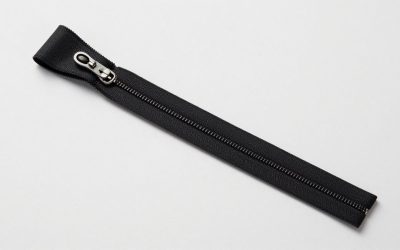
Zip Care keeps the tent’s only moving parts working. This cleaner and lubricant flushes grit from zipper teeth and sliders, then lubricates them so they glide instead of sticking or snagging. Since zippers are a common failure point, this cheap maintenance step prevents a frustrating, trip-souring problem.
It needs occasional reapplication and cannot fix a zipper with damaged teeth or a worn slider, which need replacement. For keeping healthy zippers running smoothly and preventing grit damage, though, it is an inexpensive, effective part of maintenance that extends the life of the tent’s zippers.
Gear Aid Seam Grip +WP — Best for Weeping Seams
Seam Grip +WP handles the resealing side of maintenance. This urethane sealant cures to a flexible, waterproof rubber that seals stitched seams as factory tape ages and begins to weep. Kept on hand, it lets you reseal seams proactively before they leak, a core part of long-term tent care.
It cures slowly, often overnight, and is messy to apply. For campers maintaining a tent whose seams are starting to show their age, though, its durable, flexible seal is exactly what keeps the tent dry, making it a staple alongside the cleaner and proofer in any maintenance kit.
Gear Aid Tenacious Tape — Best for Small Holes
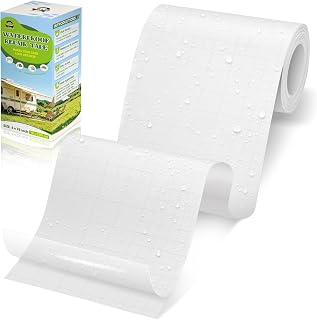
Tenacious Tape is the maintenance patch. This low-profile repair tape bonds permanently to nylon and polyester, sealing small punctures and abrasions before they grow into big tears, and it flexes with the fabric without the residue of duct tape. For catching minor damage early, it is essential.
It is not a structural fix for large tears or a substitute for proper repairs, and it bonds best on clean, dry fabric. For maintenance, though, keeping a roll or pre-cut patches on hand lets you stop small holes from spreading, preserving the tent’s integrity between more involved repairs.
Breathable Storage Sack — Best for Off-Season Storage
A large breathable storage sack is the maintenance item campers most overlook. Storing the tent loosely in an oversized cotton or mesh bag, rather than its tight stuff sack, relieves the fabric and coatings from constant fold-line stress and lets any residual moisture escape, preventing mildew.
It takes more shelf space than a compressed stuff sack and is an extra purchase. For anyone serious about tent maintenance, though, loose storage is one of the highest-impact habits for coating and fabric longevity, making a breathable sack a cheap, worthwhile addition to your gear closet.
What Maintenance Products Cost in 2026
Maintenance products are inexpensive, so timing matters little, but a couple of current market forces are worth noting. None change the routine in this guide.
Tariffs Add Modest Cost
Cleaners, proofers and repair items use imported materials under tariffs that remain in place, adding modest cost. Brands have described future pricing as a moving target, but these are low-priced consumables, so keeping your maintenance kit stocked now rather than waiting is sensible.
The effect is small on cheap consumables. Value-focused buyers can look for cleaner-and-proofer duo packs, which bundle two maintenance steps at a saving, but there is little reason to delay a few dollars of care products that protect a tent worth many times their price.
Maintain Between Seasons
The best time for deeper maintenance, reproofing, resealing and inspection, is between seasons, when the tent is home and has time to cure treatments. Doing it then, not the night before a trip, means the tent is ready and reliable when you next head out. Buy the products together to do it all at once.
Fall sale events like Prime Big Deal Days in early October and Black Friday in late November occasionally discount care products, but their low price means timing matters less than consistency. Prioritize a regular clean-dry-store routine over chasing small markdowns on consumables.
Care Is the Cheapest Upgrade
The best value in tents is not a pricier model but caring for the one you own. A few dollars of cleaner, proofer and repair tape, plus the free habits of drying and loose storage, can double a tent’s lifespan, making maintenance the highest-return spending you can do on your shelter.
If a specific product your tent needs is prone to selling out, keep it on hand rather than gambling on stock before a trip. Missing a sealer or proofer when a coating fails means a wet night, so stock your maintenance kit ahead and refresh the tent before problems appear in the field.
Frequently Asked Questions
These are the questions campers ask most about caring for a tent.
What is the most important tent maintenance habit?
Always drying the tent completely before storage. The most destructive mistake in tent maintenance is packing it away damp, which causes mildew, odor and coating breakdown that can ruin a tent in one season. If you pack up wet in the field, dry the tent fully as soon as you get home.
Can I machine wash my tent?
Generally no. Machine washing can damage coatings, mesh and taped seams, especially on framed and technical tents. Hand clean with cool water and a dedicated technical wash instead, spot-cleaning dirty areas. Avoid household detergents entirely, since they strip the waterproof coatings you are trying to protect.
How should I store a tent between trips?
Loosely, in a large breathable sack, in a cool, dry place out of sunlight. Cramming it into a tight stuff sack long-term stresses fabric and coatings along the same folds. Store poles relaxed to preserve the shock cord, and never store the tent damp or in a hot attic or damp basement.
How often should I reproof and reseal?
When they fail, not on a schedule. Reproof the fly when water stops beading, reseal seams when they weep, and lubricate zippers when they stick. Inspect the tent each season and refresh anything marginal before a trip, so small issues never become leaks or failures in the field.
Final Thoughts
Tent maintenance is simple and cheap: clean after trips with a technical wash, always dry fully, store loose and cool, and refresh coatings, seams and zippers before they fail. A little Nikwax SolarProof, Gear Aid Zip Care and Tenacious Tape, plus good habits, can double a tent’s life. Care for the tent you own, and it will keep you dry for many seasons.


Write Your Review
No reviews yet. Be the first to share your experience!