
Freestanding vs trekking pole tent is the core structural choice in backpacking shelters: dedicated poles that stand on their own, or trekking poles that shed weight. This guide compares the two on weight, pitch, terrain and cost, with six picks.
As an Amazon Associate we earn from qualifying purchases.
Our top picks


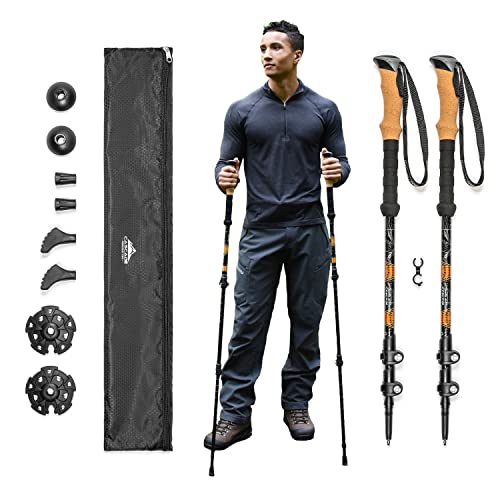 Cascade Mountain Tech Lightweight Aircraft-Grade Aluminum Trekking
- Exceptional Quality and Comfort - Crafted from aircraft-grade…
- Quick Lock Mechanism - Designed with rugged terrain…
- Cork Grip with Extended EVA Down Grip -…


As an Amazon Associate we earn from qualifying purchases at no extra cost to you.
By Jake Thompson
How to Choose in the Freestanding vs Trekking Pole Tent Debate
The freestanding vs trekking pole tent decision comes down to trading weight for convenience. Freestanding tents carry their own poles and pitch anywhere, while trekking-pole tents use poles you already carry to save one to two pounds. Knowing how you camp decides which tradeoff is right.
Compare Weight and Pack Size
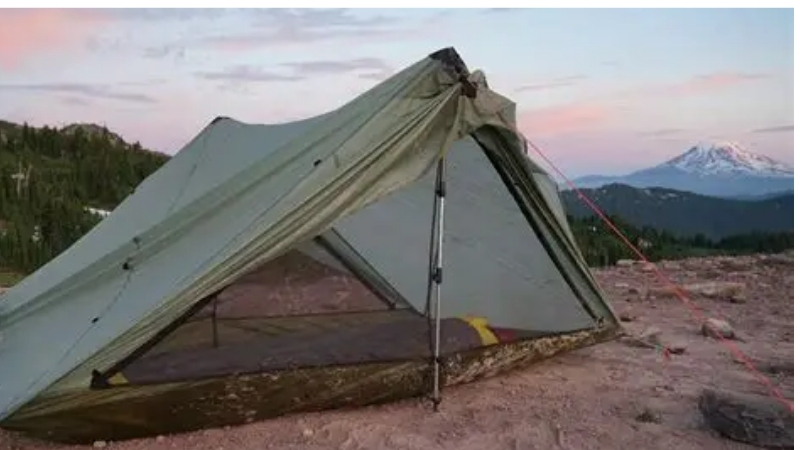
The biggest difference is weight. A trekking-pole tent skips dedicated poles, using hiking poles you already carry, so it can weigh a pound or two less and pack smaller. A freestanding tent adds a hubbed pole set, which adds weight and bulk but means the tent stands without stakes or poles.
If you already hike with trekking poles, a trekking-pole tent turns them into double duty and saves real weight. If you do not use poles, a freestanding tent’s pole set is not “extra,” and the weight gap narrows. Your existing kit shapes how much a trekking-pole tent actually saves you.
Weigh Pitch Difficulty and Terrain
Freestanding tents pitch fast and forgivingly: raise the poles, clip the body, and it stands, even on rock, sand or a wooden platform where stakes will not hold. Trekking-pole tents must be staked out taut on suitable ground, which takes practice and does not work on hard or loose surfaces.
Match the structure to your terrain. Freestanding tents suit rocky, sandy or variable ground and beginners who want an easy pitch, while trekking-pole tents reward experienced campers on soil who can dial in a taut pitch. If you often camp where stakes will not bite, freestanding is the safer choice.
Consider Livability and Condensation
Freestanding tents usually have more vertical walls and usable interior space for their weight, and most are double-wall for good condensation control. Trekking-pole tents often have sloped walls and are frequently single-wall, which saves weight but can collect more condensation in humid conditions.
Decide how much you value interior space and dry walls. Freestanding double-wall tents feel roomier and manage moisture better, while trekking-pole tents trade some of that for weight, though double-wall trekking-pole designs now exist. Match the balance to how much time you spend inside and your climate.
Factor In Cost and Learning Curve
Freestanding tents span budget to premium and are beginner-friendly out of the box. Trekking-pole tents range from surprisingly affordable to very expensive for Dyneema models, and all require learning to pitch well. The cheapest way into ultralight is often a trekking-pole tent, if you master the setup.
Match cost and effort to your commitment. Beginners and occasional campers are usually happier with an easy, forgiving freestanding tent, while weight-focused hikers willing to practice get the most from a trekking-pole tent. Both can be excellent; the right one depends on your priorities and patience.
Top Picks in the Freestanding vs Trekking Pole Tent Comparison
These six show the best of each structure, three freestanding and three trekking-pole. The freestanding vs trekking pole tent choice depends on your priorities, so scan the table, then read each pick for who it suits and its honest drawbacks.
| Model | Structure | Packed Weight | Best For | Price Tier |
|---|---|---|---|---|
| Big Agnes Copper Spur HV UL2 | Freestanding | ~3 lb | Best freestanding overall | Premium |
| MSR Hubba Hubba LT 2 | Freestanding | ~3 lb 6 oz | Freestanding alternative | Premium |
| REI Co-op Half Dome SL 2+ | Freestanding | ~3 lb 10 oz | Value freestanding | Budget |
| Durston X-Mid 2 | Trekking-pole | ~2 lb | Value trekking-pole | Mid |
| Zpacks Duplex | Trekking-pole | ~1 lb 3 oz | Ultralight trekking-pole | Premium |
| Zpacks Plex Solo | Trekking-pole | ~1 lb 13 oz | Solo trekking-pole | Premium |
Big Agnes Copper Spur HV UL2 — Best Freestanding Overall
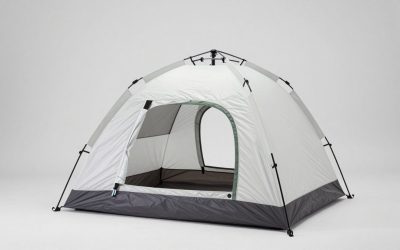
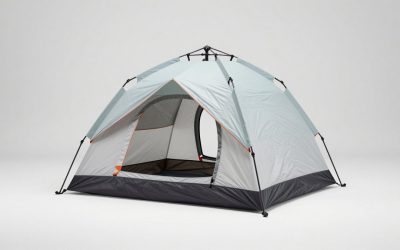
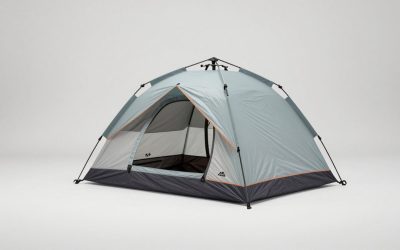
The Copper Spur HV UL2 shows freestanding at its best. At about three pounds it pitches fast with hubbed color-coded poles, stands anywhere including rock, and offers two doors, two vestibules and generous headroom. For hikers who want the freestanding convenience with low weight, it is the benchmark.
Its thin floor needs care and it is pricey, and a trekking-pole tent would save weight. For those who value an easy, go-anywhere pitch and roomy double-wall livability, though, it is the standout freestanding choice and shows how light freestanding tents have become without giving up convenience.
MSR Hubba Hubba LT 2 — Best Freestanding Alternative
The Hubba Hubba LT 2 is the proven freestanding staple. At about three and a half pounds it sets up quickly with hubbed clipless poles, stands on any surface, and offers two doors and standout interior storage. For hikers who want dependable freestanding convenience, it is an easy recommendation.
Its floor is thin and it runs a few ounces heavier than the Copper Spur, and trekking-pole tents go lighter. For campers who prioritize a forgiving, go-anywhere pitch and excellent organization over the lowest weight, though, it is one of the best freestanding tents available today.
REI Co-op Half Dome SL 2+ — Best Value Freestanding
The Half Dome SL 2+ is the value freestanding pick. It delivers generous space, two doors and a durable build at a price well below premium tents, backed by REI’s return policy, and it pitches easily anywhere. For beginners who want freestanding convenience without spending up, it is ideal.
At around three and a half to four pounds it is heavier than ultralight and trekking-pole tents. For recreational hikers who value the easy pitch, livable space and value of a freestanding tent over the lowest weight, though, its comfort-per-dollar is excellent and forgiving to learn on.
Durston X-Mid 2 — Best Value Trekking-Pole
The X-Mid 2 shows trekking-pole done affordably. At about two pounds it uses your hiking poles and a rare double-wall design for condensation control, at a price far below most ultralight tents, with two doors. For hikers who want to shed weight without a Dyneema budget, it is the value standout.
It needs stakes, trekking poles and a taut pitch on suitable ground, so it suits experienced campers over beginners. For those willing to learn the pitch, though, it delivers real weight savings, double-wall comfort and premium design at a mid price, making the strongest case for trekking-pole tents.
Zpacks Duplex — Best Ultralight Trekking-Pole
The Duplex is the trekking-pole benchmark. At about a pound and three ounces it uses waterproof Dyneema and your trekking poles to create a roomy two-person shelter with two doors and vestibules. For weight-obsessed hikers, it shows how dramatically a trekking-pole tent can cut weight.
It is expensive, its single-wall design can collect condensation, and it needs a careful stake-out on decent ground. For disciplined ultralighters who want the lowest livable two-person weight, though, nothing quite matches it, and it is the clearest example of what trekking-pole structures make possible.
Zpacks Plex Solo — Best Solo Trekking-Pole
The Plex Solo is the iconic solo trekking-pole tent. At around a pound and thirteen ounces it uses Dyneema and a single trekking pole to create a light, weatherproof one-person shelter beloved in the thru-hiking scene. For solo hikers chasing the lowest weight, it is a standout minimalist choice.
It is expensive, single-wall condensation can be an issue, and it needs a careful pitch on decent ground. For solo ultralighters who prize the lowest weight and handle gear carefully, though, it is a superb, weatherproof shelter and a favorite among gram-counting long-distance hikers.
What These Tents Cost in 2026
Both structures span budget to premium, so timing helps. A couple of current market forces affect what these tents cost and when to buy, without changing which structure fits your trips.
Tariffs Pressure Materials
Tents use imported technical fabrics and, for freestanding models, aluminum poles under tariffs that remain in place. Brands have described future pricing as a moving target, so committing to the structure you want, rather than waiting indefinitely, is a reasonable call this year.
The effect is uneven. Premium and cottage trekking-pole tents have largely held pricing, while mainstream freestanding tents see more discounting. Value-focused buyers should watch the Half Dome and mainstream freestanding tents for closeouts, and treat Dyneema trekking-pole tents as fixed investments.
Buy Ahead of Season
Both structures sell hardest heading into spring and summer, so buying ahead secures the model and lets you practice pitching, which matters most for trekking-pole tents. Fall sale events like Prime Big Deal Days in early October and Black Friday in late November bring the deepest discounts.
Cottage trekking-pole tents rarely discount deeply and can have lead times, so for those, availability matters more than a markdown. Mainstream freestanding tents regularly drop during fall events, so patience often pays off on that side of the freestanding vs trekking pole tent choice.
Match the Spend to Your Commitment
Buy the structure that fits how you actually camp rather than the trendiest option. Beginners and go-anywhere campers get real value from an easy freestanding tent, while committed weight-counters who will practice the pitch benefit from a trekking-pole tent. Match the spend to your priorities and patience.
If a specific model is prone to selling out, buy early rather than gambling on peak-season stock. Missing the right tent before a trip costs more than a small discount, so decide your structure, then lock in the shelter that suits your terrain, weight goals and setup skills.
Frequently Asked Questions
These are the questions hikers ask most about tent structures.
Is a freestanding vs trekking pole tent better for beginners?
Freestanding, usually. In the freestanding vs trekking pole tent choice, freestanding tents pitch fast and forgivingly on any surface, which suits beginners learning to camp. Trekking-pole tents save weight but require practice and suitable ground, making them better once you have some experience.
How much weight does a trekking-pole tent save?
Often one to two pounds, but only if you already carry trekking poles. A trekking-pole tent skips the dedicated pole set, so it saves real weight for pole users. If you do not hike with poles, you must add their weight, which shrinks or erases the savings versus a freestanding tent.
Do trekking-pole tents work on any ground?
No. They must be staked out taut, so they need soil that holds stakes and will not pitch on solid rock, sand or wooden platforms without extra effort. Freestanding tents stand anywhere, even where stakes fail, which is a key advantage on variable or hard terrain.
Are trekking-pole tents cheaper?
Sometimes. Value trekking-pole tents like the X-Mid are the cheapest route into ultralight, but Dyneema models like the Duplex are very expensive. Freestanding tents span budget to premium too, so price depends more on materials and brand than on structure alone in the freestanding vs trekking pole tent choice.
See More:
- Best hiking backpack
- Best backpacking backpack
- Ultralight hiking backpack
- Best hydration backpack
- Best hiking backpack for women
Final Thoughts
The freestanding vs trekking pole tent choice trades weight for convenience. Freestanding tents like the Copper Spur HV UL2 pitch anywhere and suit beginners, while trekking-pole tents like the Durston X-Mid 2 and Zpacks Duplex shed serious weight for those who carry poles and learn the pitch. Match the structure to your terrain, kit and patience, and either can be the right shelter.


Write Your Review
No reviews yet. Be the first to share your experience!