
Our Top Picks
 Hilleberg Allak 3-Person 4-Season All-Weather Tent3-Person91 x 63 x 45 inches8.19 poundsCheck on Amazon
Pros & cons
- Kerlon 1200 fabric resists tearing and stays waterproof
- Two vestibules add roomy exterior gear storage
- Fully freestanding design eases pitching on hard ground
- Sized for only up to three occupants
- At over 8 pounds it's heavier to carry solo
 Hilleberg Soulo 1-Person 4-Season All-Weather Tent1-Person88 x 28 x 37 inches5.31 poundsCheck on Amazon
Pros & cons
- Kerlon 1200 fabric offers high tear strength and waterproofing
- Fully freestanding design pitches without needing stakes
- Comes with everything needed, poles pegs and repair sleeve
- Built only for a single occupant
- Compact footprint leaves little room for extra gear
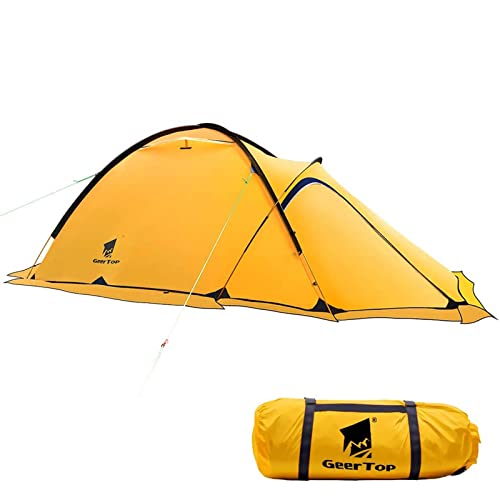 GEERTOP Waterproof 2 Person 4 Season Freestanding Backpacking2 person tent122 x 55 x 49 inches6.2 PoundsCheck on Amazon
Pros & cons
- PU8000mm coating guards against heavy rain
- Rainfly can be used alone as a lighter shelter
- Reflective guy lines help with low-light setup
- Four-season protection comes with added pack weight
- Compact 2-person size leaves little extra gear room
The best expedition tent is the shelter that matches your objective, party size, exposure, and tolerance for carrying weight. A high-altitude tent may need to cope with strong wind, snow, freezing temperatures, repeated pitching and long periods of confinement. That makes storm protection, structural design, fabric durability, ventilation and repairability more important than appearance or a long list of convenience features.
The 13 tents in this guide range from compact one-person shelters to roomier three-person basecamp models. The Hilleberg Allak and Soulo are identified in their listings as four-season, all-weather tents designed for backpacking and mountaineering, while the GEERTOP is described as a budget-friendly two-person four-season backpacking tent with a fly-first pitch, double-wall construction and alpine-oriented features. The GEERTOP and the ALPS Aleutian 3 Outfitter are budget four-season options rather than true expedition shelters. Where a maker publishes weight, floor area or fabric figures they are quoted below; for the rest, confirm packed weight, pole diameter and weather ratings on the current product page before purchase.
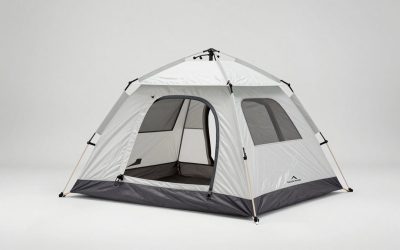
Hilleberg Allak 3-Person 4-Season All-Weather Tent
One of the home product options compared in this guide.
View on AmazonHilleberg Soulo 1-Person 4-Season All-Weather Tent
One of the home product options compared in this guide.
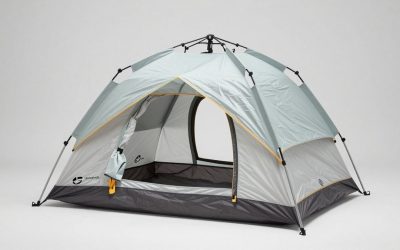
View on AmazonGEERTOP Waterproof 2 Person 4 Season Freestanding Backpacking Tent
Chosen because it is waterproof.
View on AmazonUpdated October 2026 — The best expedition tent for most two-person mountaineering trips is the MSR Remote 2, a double-wall, four-season dome with a large hooped vestibule for cooking and gear. Solo climbers should look at the Hilleberg Soulo, and teams that need a storm-proof basecamp should consider the Black Diamond Mission 3P. Mountain Hardwear Trango 2 and Hilleberg Jannu are two other well-known expedition tents that are not reviewed here.
Summary of the top three by exact model: MSR Remote 2 (best two-person expedition tent, 7 lb 4 oz minimum weight), Hilleberg Soulo (best solo four-season tent, 4 lb 7 oz minimum), and Black Diamond Mission 3P (best three-person basecamp, about 10 lb 4 oz). The comparison section below separates the true expedition shelters from the lighter four-season options.
Quick Answer: The Best Expedition Tents
- Best premium freestanding option: Hilleberg Allak 2 & 3 Person 4-Season Tent — A versatile freestanding, all-weather option for shoppers who want more room than a solo shelter.
- Best solo option: Hilleberg Soulo 1-Person 4-Season Tent — An expedition-ready one-person design for solo backpacking and mountaineering.
- Best budget four-season backpacking option: GEERTOP Waterproof 2 Person 4 Season Tent — A budget two-person backpacking tent with a stated double-wall, fly-first design, gear vestibule, snow skirt and aluminum frame; not a true expedition shelter.
How We Researched This Guide
This guide is based on manufacturer pages, retailer listings and published specifications for the tents compared here. We compared the shelters by intended occupancy, four-season positioning, freestanding or other stated construction, mountaineering relevance, weather-oriented features and the role each product may play in an expedition kit. We did not pitch or test these tents ourselves.
The available data is incomplete for several models. It does not provide consistent figures for weight, packed size, floor area, peak height, pole materials, fabric denier, hydrostatic-head ratings, snow-load ratings, number of doors or warranty terms. We therefore do not assign unsupported performance rankings or present unverified measurements. Before buying, verify the current product page, manufacturer documentation, included accessories and seller-specific details.
How to Choose an Expedition Tent
1. Match the Tent to the Expedition Objective
Start with the trip rather than the brand. A summit push, a remote backpacking route, a winter camp and an established basecamp place different demands on a shelter. A solo climber may value a compact one-person tent that can be carried and pitched alone. A pair waiting out weather may prefer more interior and vestibule space, even if that increases packed weight. A group shelter may be selected for livability and equipment storage rather than fast movement.
The listing identifies the Hilleberg Soulo as a one-person expedition-ready backpacking and mountaineering tent. That makes it a natural candidate for solo objectives, provided its actual packed weight and interior dimensions suit the route. The Allak is described as a two- or three-person freestanding shelter, making it more relevant when additional room or occupancy flexibility matters.
Mistake to avoid: choosing a tent solely because its description includes “mountaineering” or “four-season.” Check whether its capacity, weight, ventilation and packed volume fit the specific trip. A shelter suitable for a supported camp may be inconvenient on a carry-heavy summit route.
2. Understand What Four-Season Positioning Does—and Does Not—Tell You
Four-season labeling is an important starting point, but it is not a complete storm-resistance specification. It indicates that the shelter is positioned for conditions beyond ordinary mild-weather camping, yet the listing may not explain the design’s limits. Look for detailed information about pole architecture, attachment points, fly coverage, snow management, guy-out locations, skirt design and manufacturer guidance for severe conditions.
The Hilleberg Allak and Soulo listings explicitly identify them as four-season, all-weather tents. The GEERTOP listing also states four-season use and names a snow skirt, aluminum frame and double-wall design. Those descriptions are useful screening information, but they should not be treated as a substitute for a published load rating or an explanation of how the tent should be anchored in snow and high wind.
Mistake to avoid: assuming that every four-season tent is intended for the same altitude, exposure or snow depth. Confirm the manufacturer’s intended use, especially for an objective where retreat may be difficult.
3. Evaluate Freestanding Construction and Pitching Options
A freestanding tent can usually maintain its basic shape without every corner being staked, although it still benefits from proper anchoring in wind and snow. This can simplify setup on hard ground, rocky terrain or sites where stakes are difficult to place. The product descriptions identify the Allak, Soulo and GEERTOP as freestanding designs.
Pitching order also matters. The GEERTOP is specifically described as having a fly-first pitch. That can be useful in wet weather because the inner shelter may be kept more protected during setup, but verify the exact pitching sequence and whether the inner tent can remain attached. A fly-first system may also require practice to achieve a taut, weather-shedding setup.
Ask whether the tent can be erected by one person, whether the poles are color-coded, how the fly attaches and whether the structure can be tensioned from inside or outside. These details become more important when wearing gloves, working in darkness or setting up during a storm.
Mistake to avoid: treating “freestanding” as “windproof without staking.” High winds can move or deform an unanchored tent, and snow camps often require specialized anchors rather than ordinary stakes.
4. Choose the Right Wall Design and Condensation Strategy
Double-wall construction uses a separate inner tent and rainfly. This arrangement can provide a buffer between occupants and the weather, while the air space between layers can help manage condensation. The trade-off is additional fabric, poles or attachment hardware, along with more setup complexity and potentially greater packed bulk.
The GEERTOP is explicitly described as a double-wall tent. The available descriptions do not identify the wall construction for every other model, so buyers should verify whether a particular shelter is double-wall, single-wall or a hybrid. This distinction affects how moisture behaves inside the tent, how easily the shelter dries and how much living space remains usable in cold conditions.
Look for adjustable vents, high and low openings, breathable inner fabric, fly ventilation and guidance about keeping vents open during storms. Condensation can occur even in a well-designed tent when occupants cook, breathe, dry wet clothing or camp in humid conditions. A sealed shelter may feel warmer initially but can accumulate moisture that later freezes on the interior.
Mistake to avoid: selecting a shelter based only on waterproof language while ignoring ventilation. Weather protection and moisture management need to work together.
5. Check Real Capacity, Door Access and Gear Storage
Nominal capacity does not describe how comfortable a tent will be for a particular party. Two people with winter sleeping bags, insulated clothing, boots and technical equipment need more usable room than two people carrying minimal summer gear. A one-person tent may be efficient for a solo climber but leave little room for wet clothing or a pack.
Confirm the floor dimensions, usable headroom, door arrangement, vestibule size and whether the stated capacity assumes close sleeping arrangements. The GEERTOP listing specifically mentions a gear vestibule. For the Allak, the product title describes a spacious two- and three-person format, but the listing does not provide its exact interior measurements.
Consider how occupants will enter and exit during bad weather. Multiple doors can reduce climbing over sleeping partners, while a vestibule can keep boots and packs outside the sleeping area. However, extra doors and vestibules can add zippers, poles, fabric and potential maintenance points.
Mistake to avoid: planning to store every pack, boot and item of wet clothing inside the sleeping compartment without checking the floor plan. Use the vestibule and storage layout as part of the capacity calculation.
6. Balance Structural Protection Against Carrying Weight
Weight is especially important when the tent is transported between camps or carried during a summit attempt. A larger shelter may improve livability and make storm-bound days easier, but every additional component becomes part of the load. The listings do not provide verified packed weights or packed dimensions for these models, so those figures should be compared directly on the current product pages.
Do not compare only the tent body. Check the weight of poles, fly, inner, guy lines, stakes, stuff sacks, repair components and any footprint that the manufacturer recommends. Also determine whether the listed weight includes all standard parts or only a minimum configuration.
Dividing the shelter among a group can change the decision. A two- or three-person tent may be reasonable when poles, fly and inner are shared, while a solo shelter places the entire system on one person. For a basecamp-style trip, additional space may justify a heavier design. For a moving alpine route, packed size and carry efficiency may matter more than standing room.
Mistake to avoid: comparing a tent’s advertised minimum weight with another model’s complete packed weight. Use an equivalent “ready to carry” configuration for every candidate.
7. Inspect Materials, Durability and Field Repair
Expedition use exposes a shelter to abrasion, ultraviolet light, sharp rocks, repeated folding, snow loading and rough handling. Review the fabric description, floor material, seam construction, pole material, zipper design and reinforcement at pole crossings and guy points. The GEERTOP listing identifies 20D ripstop nylon and an aluminum frame; buyers should confirm whether those specifications apply to the complete current package and assess them alongside the floor and fly details.
The Hilleberg listings emphasize exceptional durability and Swedish design, but the listings do not specify fabric weights, coatings or repair provisions. Confirm the exact materials and ask what replacement poles, clips, buckles and fabric repair options are available. A tent that can be maintained in the field may have greater practical value than one with impressive headline features but limited support.
Pack a repair strategy appropriate to the objective. Useful considerations include spare pole sections, repair sleeves, adhesive patches compatible with the fabric, spare cord, zipper care supplies and a method for replacing or reinforcing guy lines. Follow the manufacturer’s instructions, since adhesives and tapes are not equally suitable for every coating.
Mistake to avoid: assuming a rugged description means the tent is immune to damage. Site selection, careful pitching and proper tension remain essential to service life.
8. Verify the Listing Before Ordering
Incomplete listing information makes final verification particularly important. Confirm the exact model, occupancy, season rating, included poles, fly, inner tent, stakes, guylines and storage bags. Check whether the listing is for a current version, a seller-specific bundle or an older product presentation.
Compare the manufacturer’s documentation with the retail listing for dimensions, packed weight, fabric specifications, warranty coverage and replacement-part support. Read owner reviews for recurring patterns rather than isolated comments. Useful patterns include reports about zipper operation, condensation, pitching in wind, pole durability, seam sealing, ventilation and whether the listed capacity feels realistic.
Finally, make sure the selected tent is legal and appropriate for the route. Some alpine areas restrict camping locations, require specific waste practices or have conditions that demand additional snow anchors and repair equipment. The shelter is one part of a complete mountain system, not a replacement for route planning, weather judgment and appropriate experience.
Detailed product breakdowns
1. Hilleberg Allak 2 & 3 Person 4-Season All-Weather Tent
The Hilleberg Allak is presented as a freestanding, four-season shelter for two or three people, with a focus on backpacking and mountaineering. Its product description emphasizes all-weather protection, exceptional durability and Swedish design. That combination makes it relevant to climbers who need a shelter that can handle demanding conditions while remaining more flexible to position than a non-freestanding design.
The available listing does not provide a full specification sheet. Buyers should verify the exact capacity, packed weight, floor dimensions, peak height, pole configuration, fabric, waterproof rating, vestibule arrangement and included accessories before choosing it for a specific expedition. The title combines “2 & 3 Person,” so confirm whether the listing is for one model with different occupancy descriptions or whether multiple size variants are being offered.
Key specifications from the available data:
- Designed for two or three people, according to the product title.
- Four-season and all-weather positioning.
- Freestanding tent design.
- Marketed for backpacking and mountaineering.
- Emphasis on exceptional durability and Swedish design.
Strengths: The freestanding structure can be attractive for rocky campsites, hard ground or locations where staking is difficult, although the practical setup details should be confirmed. Its four-season positioning is better aligned with snow, wind and shoulder-season use than a basic three-season shelter. The stated durability emphasis also suits expeditions where repeated setup, packing and exposure are expected.
Trade-offs: The available data does not establish the tent’s actual weight, packed size or interior layout. A two- or three-person expedition tent may also be less practical for solo climbers who carry every component themselves. Buyers should not assume that “four-season” alone defines suitability for a particular altitude or storm environment; verify the manufacturer’s intended use, pole strength, snow-management features and ventilation system.
Best for: Small teams or pairs looking for a freestanding Hilleberg shelter for four-season backpacking and mountaineering, especially when durability and all-weather positioning matter more than minimizing every ounce.
Skip it if: You need a confirmed ultralight summit shelter, a clearly documented single-person layout or published dimensions and weight before purchasing. Also compare the exact listing details if you are deciding between the two- and three-person configurations.
Check the Hilleberg Allak 2 & 3 Person 4-Season All-Weather Tent listing
2. Hilleberg Soulo 1-Person 4-Season All-Weather Tent
The Hilleberg Soulo is a one-person, four-season tent described as expedition-ready and intended for backpacking and mountaineering. Its single-occupant format makes it a fundamentally different choice from larger expedition shelters: the solo climber carries an independent shelter rather than sharing tent weight and space with a partner. The title also highlights all-weather protection, exceptional durability and Swedish design.
No detailed feature list is available for this listing. Before buying, verify packed weight, packed dimensions, floor dimensions, sitting height, vestibule size, pole layout, ventilation provisions and the manufacturer’s recommended use. Solo expedition tents can differ substantially in how much gear they hold inside the sleeping area and how convenient they are during long periods of bad weather.
Key specifications from the available data:
- One-person capacity.
- Four-season and all-weather positioning.
- Described as expedition-ready.
- Intended for backpacking and mountaineering.
- Marketed around exceptional durability and Swedish design.
Strengths: The one-person format is appropriate for solo missions, independent climbers and trips where sharing a shelter is not practical. Its four-season designation and expedition-ready description indicate that it is aimed at more serious weather than a conventional recreational backpacking tent. A solo shelter can also simplify campsite selection because it requires less ground area than a larger team tent.
Trade-offs: Solo capacity limits interior room for wet clothing, packs and technical equipment. It may be efficient for one person but less comfortable for storm-bound days than a two-person shelter shared by one occupant. The listing does not state the weight or packed size, so buyers should compare those figures with their intended approach distance and elevation gain. Do not infer that the tent has a particular vestibule or snow feature without confirming it.
Best for: Solo mountaineers, backpackers and climbers who want a dedicated four-season shelter and prefer not to share tent space or depend on a partner’s equipment.
Skip it if: You routinely carry a large amount of gear inside the tent, want room for a partner or expect to spend extended periods indoors. Buyers seeking a team or basecamp shelter should look at a larger capacity instead.
Check the Hilleberg Soulo 1-Person 4-Season All-Weather Tent listing
3. GEERTOP Waterproof 2 Person 4 Season Freestanding Backpacking Tent
The GEERTOP two-person tent is the most detailed listing among the products compared here. It is described as a waterproof, four-season, freestanding backpacking shelter with an alpine-ready positioning. The title identifies a fly-first pitch, double-wall design, 20D ripstop nylon, a gear vestibule, snow skirt and aluminum frame. Those features point toward a tent intended to balance weather protection, packability and practical use in colder conditions. It is a budget four-season backpacking tent rather than a true expedition shelter, so match it to snowy forest and shoulder-season trips instead of high-altitude storm camps.
Key specifications from the available data:
- Two-person capacity.
- Four-season design.
- Freestanding structure.
- Waterproof construction positioning.
- Fly-first pitch.
- Double-wall design.
- 20D ripstop nylon.
- Gear vestibule.
- Snow skirt.
- Aluminum frame.
Strengths: The double-wall construction can be useful for managing moisture by separating the sleeping area from the outer weather layer, although actual ventilation performance should be verified. A fly-first pitch is potentially valuable in wet weather because it can reduce the amount of time the inner is exposed during setup. The vestibule provides a designated area for gear, while the snow skirt is a relevant feature for colder and snowier camps. The aluminum frame and freestanding design further support the tent’s alpine-oriented positioning.
The two-person capacity is a practical middle ground for partners who want to share carrying duties. It can also suit a solo user who needs more room for equipment, though the extra space comes with a likely carrying and campsite footprint trade-off that cannot be quantified from the listing.
Trade-offs: The 20D ripstop nylon specification identifies the fabric type but does not state coating, denier for every component, waterproof rating, floor material or seam treatment. Buyers should verify those details rather than using the fabric description as a complete storm-performance assessment. The listing also does not provide packed weight, pole diameter, interior dimensions, snow-load guidance or wind limits. “Alpine-ready” is a useful positioning statement, but it is not a substitute for the manufacturer’s conditions-of-use guidance.
Best for: Two-person backpacking and mountaineering trips where a freestanding, double-wall shelter with a vestibule, snow skirt and fly-first pitch is appealing. It may also suit solo users who prioritize gear room over the smallest possible shelter.
Skip it if: You need a confirmed expedition shelter for extreme altitude or severe, prolonged storms and cannot verify the manufacturer’s detailed performance specifications. Also look elsewhere if minimum packed weight is the primary requirement, because the available data does not establish how light this model is.
Check the GEERTOP Waterproof 2 Person 4 Season Freestanding Backpacking Tent listing
More Four-Season Tents Worth Comparing
If your shortlist needs more tents that are specifically positioned for winter, alpine, or mountaineering use, the four options below widen the field across several price tiers. As with the rest of this guide, confirm packed weight, floor dimensions, pole layout and the manufacturer’s intended conditions on the current product page before ordering.
MSR Remote 2 — Best for Two-Person Mountaineering Objectives

MSR Remote 2 Two-Person Mountaineering Tent - Orange
One of the home product options compared in this guide.
View on AmazonThe MSR Remote 2 is listed explicitly as a two-person mountaineering tent, which places it in a different category from general camping shelters. It comes from a brand with a long history in mountaineering equipment, and it is aimed at climbing pairs who need a dedicated storm shelter for exposed camps rather than a general backpacking tent.
Two-person mountaineering tents in this class typically prioritize a strong pole structure, generous guy-out points and protected entry and gear storage over minimal weight. That makes the Remote 2 a candidate for glacier camps, winter objectives and trips where a pair may be pinned down by weather. Confirm the current specification sheet for packed weight, wall construction, vestibule layout and the included stakes, since snow camps usually need additional anchors. It is one of the pricier tents in this guide.
Pros
- Purpose-built for mountaineering rather than general camping
- Two-person format lets a climbing pair share carrying weight
- Established brand with replacement-part support
Cons
- Premium price for occasional winter users
- Heavier and bulkier than fast-and-light alpine shelters in its class
MSR Access 2 — Best for Lightweight Winter Backpacking and Ski Touring

MSR Access 2-Person Lightweight 4-Season Tent
One of the home product options compared in this guide.
View on AmazonThe MSR Access 2 is listed as a lightweight four-season tent for two people. Its role is different from a full expedition shelter: it is aimed at winter backpackers, snowshoers and ski tourers who need protection from snow and wind but cover long distances and want to save weight compared with a heavy basecamp tent.
That positioning makes it a sensible choice for shoulder-season and winter trips below the most extreme exposure, or for climbers who want one four-season tent that is still reasonable to carry on longer approaches. Lightweight four-season tents trade some storm margin for lower pack weight, so read the manufacturer’s guidance on wind and snow load before relying on it at high, exposed camps. It is also among the pricier picks here.
Pros
- Four-season positioning in a lighter package
- Well suited to ski touring and winter backpacking routes
- Two-person capacity for shared carrying
Cons
- Less storm margin than heavier expedition designs
- Premium price for a tent that is not a dedicated high-altitude shelter
Mountain Hardwear Mineral King 2 — Best All-Season Option in the Mid-Price Tier

Mountain Hardwear, Mineral King 2 All Season Tent, Glacial, One Size
One of the home product options compared in this guide.
View on AmazonMountain Hardwear has a long record in expedition shelters, and the Mineral King 2 is listed as an all-season two-person tent. It sits in the price gap between the budget four-season tents in this guide and the premium MSR and Hilleberg models, which makes it worth a look for buyers who need more than a three-season tent but do not yet need a dedicated high-altitude shelter.
The available listing does not supply weight, dimensions or pole details, so treat it as a candidate for shoulder-season backpacking, snowy forest camps and lower-elevation winter trips until those figures confirm a heavier role. Check the vestibule size and door layout against your gear, since two-person winter kits fill a tent quickly. It sits in the mid-range for this guide.
Pros
- All-season positioning from an experienced shelter maker
- Mid-tier price below most dedicated expedition tents
- Two-person capacity suits pairs on winter trips
Cons
- Listing lacks full weight and dimension data
- Not positioned as a high-altitude expedition shelter
ALPS Mountaineering Aleutian 3 Outfitter — Best Budget Four-Season Basecamp Tent

Aleutian 3 Outfitter Tent – 4 Season 3 Person Camping Tent with 7000 Series Aluminum Poles, Dual Doors, Two Vestibules, Weatherproof Rainfly & Durable Floor for Camping, Hunting & Basecamp Use
One of the home product options compared in this guide.
View on AmazonFor buyers who want true four-season positioning without premium pricing, the Aleutian 3 Outfitter has a more complete feature list than most budget options. The listing identifies it as a four-season, three-person tent with 7000-series aluminum poles, dual doors, two vestibules, a weatherproof rainfly and a durable floor, and it names camping, hunting and basecamp use. ALPS Mountaineering quotes a total weight of 9 lb 2 oz and about 48 sq ft of floor area. It is an outfitter-style camp tent rather than a true expedition shelter.
Those details make it a practical choice for winter car camping, hunting camps and fixed basecamps where livability matters more than pack weight. Two doors and two vestibules mean each occupant can get in and out and store boots and packs without climbing over a partner, which helps on storm-bound days. Outfitter-style tents are usually built heavier than alpine shelters, so it is less suited to long carries or summit camps. It is one of the more budget-friendly picks in this guide.
Pros
- Four-season rating with 7000-series aluminum poles
- Two doors and two vestibules for three occupants
- Lowest price among the dedicated four-season options here
Cons
- Outfitter construction adds weight for long approaches
- Aimed at basecamp use rather than exposed high camps
How the Additional Tents Compare
| Tent | Capacity | Listed positioning | Best role | Typical price |
|---|---|---|---|---|
| MSR Remote 2 | 2 | Mountaineering tent | Exposed alpine and glacier camps | Premium |
| MSR Access 2 | 2 | Lightweight four-season | Ski touring and winter backpacking | Premium |
| Mountain Hardwear Mineral King 2 | 2 | All-season | Shoulder-season and lower-elevation winter trips | Mid-range |
| ALPS Aleutian 3 Outfitter | 3 | Four-season, 7000-series aluminum poles | Winter basecamps and hunting camps | Budget |
Three More True Expedition Tents for 2026
Leading mountaineering guides consistently include these purpose-built four-season shelters. Specs come from the makers and major outdoor retailers.
NEMO Chogori 2P — Best for Expedition Cooking and Storm Days

NEMO Equipment Chogori Mountaineering Tent - Waypoint - 2P
One of the home product options compared in this guide.
View on Amazon- Weight: 7 lb 1 oz minimum trail weight, 7 lb 11 oz packaged
- Floor: 89 x 65 in, about 36–40 sq ft depending on source; 39 in peak height
- Poles: five aluminum DAC Featherlite NSL poles, external frame for fly-first pitching
- Vestibules: 11.7 + 4.2 sq ft, two doors; full snow skirt on the fly
- Fabrics: 70D nylon floor (5,000 mm), silicone-coated nylon fly (3,000 mm)
Pros: large front vestibule with its own pole for cooking; external poles keep the inner dry during setup; two tents can be joined into one shelter.
Cons: no footprint included; five poles take practice to pitch in wind.
Skip it if… you climb fast and light; at over 7 lb, a single-wall tent saves real weight.
Big Agnes Battle Mountain 2 — Best Lighter Double-Wall Mountaineering Tent

Big Agnes Battle Mountain Mountaineering Tent, 2 Person
One of the home product options compared in this guide.
View on Amazon- Weight: 6 lb 10 oz trail, 7 lb 8 oz total; 4 lb 9 oz in Fast Fly mode
- Floor: 84 in long, 31 sq ft; 42 in peak height
- Doors and vestibules: two doors, 10 + 3.5 sq ft; one vestibule pitches as an awning with trekking poles
- Poles: three DAC NSL aluminum poles
- Fabrics: 10,000 mm coated nylon floor, silicone-treated polyester ripstop fly
Pros: lighter than most double-wall expedition domes; two doors for a pair; closable fly vents for storms.
Cons: 31 sq ft is snug for two people with winter gear; smaller vestibules than the MSR Remote 2.
Skip it if… you expect long tent-bound storm days; the NEMO Chogori 2P or Black Diamond Mission 3P gives more living space.
Black Diamond Mission 3P — Best Three-Person Expedition Basecamp
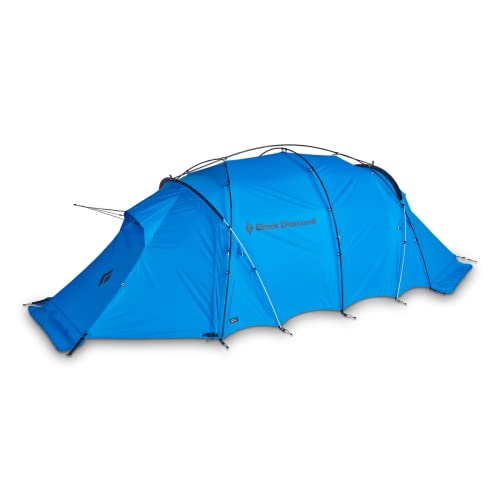
Black Diamond Equipment - Mission Tent - Sky Blue - 3 Person
One of the home product options compared in this guide.
View on Amazon- Weight: about 10 lb 4 oz (4.65 kg)
- Floor: 94 x 78 in, about 51 sq ft (4.7 m²); 46 in peak height
- Design: double-wall hybrid dome/tunnel with hoop-and-hub external poles and pre-attached fly
- Doors and vestibules: two doors, two vestibules of about 12.8 sq ft each
- Fabric: 30D polyester that does not sag when wet, fully taped seams, eight interior pockets
Pros: room for three plus gear on multi-week trips; pitches as one unit in bad weather; inner can be removed for a basecamp shelter.
Cons: heavy for a carry-over route; warm and stuffy in summer conditions.
Skip it if… each member carries the tent up a technical route; split two lighter two-person tents instead.
Three More Two-Person Expedition and Alpine Tents for 2026
Guides that rank mountaineering shelters keep returning to a Black Diamond storm dome and to two double-wall tents under 4.5 pounds for fast alpine trips. These three fill those gaps; specs come from the makers and major outdoor retailers.
Black Diamond Mission 2P — Best Hybrid Dome-Tunnel for Two

Black Diamond Equipment Mission 2P Tent - Sky Blue
One of the home product options compared in this guide.
View on Amazon- Weight: about 8 lb 12 oz packed (3.96 kg)
- Floor: 86 x 56 in, about 33 sq ft
- Design: double-wall hybrid dome/tunnel, external DAC Featherlite poles on a hoop-and-hub frame, pre-attached fly
- Doors and vestibules: two doors, two vestibules of about 11.2 sq ft each
- Fabric: 30D polyester that does not sag when wet, fully taped seams, removable inner, eight interior pockets
The Mission 2P is the two-person sibling of the Mission 3P covered above and sits in the same weight class as the MSR Remote 2. Its external pole frame and pre-attached fly mean the whole shelter goes up as one unit in a storm, and the inner tent can be removed to use the fly alone as a basecamp shelter. Expect to pay roughly $900–$1,200.
Pros: pitches fast in bad weather; two doors and two big vestibules; removable inner for basecamp use. Cons: heavy for a carry-over route; warm and stuffy in summer. Skip it if… you climb fast and light; the NEMO Kunai 2P or Mountain Hardwear AC 2 below save more than 4 pounds.
NEMO Kunai 2P — Best Lighter 3–4 Season Tent for Alpine Trips

NEMO Equipment Kunai 3-4 Season Backpacking Tent - Torch - 2P
One of the home product options compared in this guide.
View on Amazon- Weight: 3 lb 14 oz minimum trail weight, 4 lb 5 oz packaged
- Floor: 82 x 50 in tapering to about 41 in at the foot, about 26 sq ft; 44 in peak height
- Doors and vestibule: one door, one vestibule of about 8 sq ft
- Poles: two 9 mm DAC Featherlite aluminum poles, freestanding
- Fabric: 20D nylon ripstop canopy, 15D silicone-coated fly (1,200 mm), 30D floor (3,000 mm); footprint not included
NEMO rates the Kunai 3–4 season, which makes it a lighter step between a backpacking tent and a full expedition dome. It suits ski touring, shoulder-season alpine routes and winter overnights where carrying weight matters more than storm-bound living space. Plan on roughly $550–$600.
Pros: under 4 lb at minimum weight; freestanding with only two poles; tapered, wind-blocking shape. Cons: one door and a small vestibule; thin fly fabric compared with expedition domes. Skip it if… you expect multi-day storms at high altitude; choose the MSR Remote 2 or NEMO Chogori 2P.
Mountain Hardwear AC 2 — Best Ultralight Four-Season Tent for Fast Trips

Mountain Hardwear, AC 2 Tent 2-Person 4-Season, Alpine Red, One Size
One of the home product options compared in this guide.
View on Amazon- Weight: 3 lb 7 oz minimum trail weight, about 4 lb packed
- Floor: 81 x 45 in, about 25.3 sq ft; 43.5 in peak height
- Poles: two DAC Featherlite NSL poles, freestanding tension-arch design
- Door: one D-shaped door; no built-in vestibule (a 9 sq ft vestibule is sold separately)
- Fabric: 50D nylon ripstop fly (10,000 mm), 30D floor (4,000 mm)
The AC 2 is the lightest four-season shelter in this guide and the clearest fast-and-light pick. The fly fabric is heavier than the NEMO Kunai’s, which gives it a sturdier fly, but the floor is snug: one reviewer found it works best for one person with gear. Budget roughly $800–$850 and add the optional vestibule if you plan to cook outside.
Pros: lowest weight here for a four-season tent; strong 10,000 mm fly; fast two-pole pitch. Cons: tight for two people in winter layers; no vestibule included; one door. Skip it if… you want room to wait out a storm; choose the Black Diamond Mission 2P instead.
Expedition Tent Comparison
The table below lists the tents from the detailed breakdowns with their stated season rating and construction. Where the listing does not supply a figure, the cell says check listing rather than guessing. A tent’s name may suggest mountaineering use, but the intended season, construction, and storm capability should be confirmed before an exposed expedition.
| Rank | Product | Occupancy | Season or stated use | Construction or listed features | Best fit | Important checks |
|---|---|---|---|---|---|---|
| 1 | Hilleberg Allak 2 & 3 Person 4-Season All-Weather Tent | 2 or 3 people; verify the exact configuration in the listing | Four-season; all-weather; backpacking and mountaineering | Freestanding; Swedish design; described as spacious and exceptionally durable | Buyers seeking a roomy, premium shelter for serious four-season travel | Exact capacity, weight, packed size, vestibule arrangement, pole details, and included components |
| 2 | Hilleberg Soulo 1-Person 4-Season All-Weather Tent | 1 person | Four-season; all-weather; expedition-ready backpacking and mountaineering | Described as expedition-ready, exceptionally durable, and Swedish-designed | Solo climbers and backpackers who want a dedicated four-season shelter | Interior dimensions, vestibule size, total weight, packed length, ventilation, and snow-management details |
| 3 | GEERTOP Waterproof 2 Person 4 Season Freestanding Backpacking Tent | 2 people | Four-season; alpine-ready according to the product title | Fly-first pitch; double-wall design; 20D ripstop nylon; gear vestibule; snow skirt; aluminum frame | Budget-minded two-person backpackers wanting a four-season design with snow-oriented details (not a true expedition shelter) | Actual packed weight, waterproof ratings, seam sealing, pole diameter, wind guidance, and usable vestibule dimensions |
Best Expedition Tent by Use Case
| Tent | Capacity | Minimum weight | Floor area | Wall | Doors |
|---|---|---|---|---|---|
| Hilleberg Soulo | 1 | 4 lb 7 oz | 20.5 sq ft | Double | 1 |
| Hilleberg Allak 2 | 2 | 6 lb 3 oz | About 30–31 sq ft | Double | 2 |
| Big Agnes Battle Mountain 2 | 2 | 6 lb 10 oz | 31 sq ft | Double | 2 |
| MSR Remote 2 | 2 | 7 lb 4 oz | 33 sq ft | Double | 2 |
| NEMO Chogori 2P | 2 | 7 lb 1 oz | About 36–40 sq ft | Double | 2 |
| Black Diamond Mission 3P | 3 | About 10 lb 4 oz | About 51 sq ft | Double | 2 |
| Black Diamond Mission 2P | 2 | About 8 lb 12 oz | 33 sq ft | Double | 2 |
| NEMO Kunai 2P | 2 | 3 lb 14 oz | 26 sq ft | Double | 1 |
| Mountain Hardwear AC 2 | 2 | 3 lb 7 oz | 25.3 sq ft | Double | 1 |
Best solo expedition tent
- Hilleberg Soulo: 1 person · 4 lb 7 oz · 20.5 sq ft · 6.4 sq ft vestibule · freestanding
What to expect:
- 4–5.5 lb for a true four-season solo shelter
- One small vestibule, so wet gear and cooking space are tight
- Freestanding domes that one person can pitch in wind
Best two-person expedition tents
- MSR Remote 2: 2 people · 7 lb 4 oz · 33 sq ft · 22 sq ft vestibules · 3 poles
- NEMO Chogori 2P: 2 people · 7 lb 1 oz · 89 x 65 in · 11.7 + 4.2 sq ft vestibules · 5 poles
- Hilleberg Allak 2: 2 people · 6 lb 3 oz · about 30 sq ft · 2 x 8.6 sq ft vestibules
- Big Agnes Battle Mountain 2: 2 people · 6 lb 10 oz · 31 sq ft · 10 + 3.5 sq ft vestibules
What to expect:
- 6–7.5 lb for a double-wall two-person tent with snow skirts
- Three to five pole crossings for snow and wind loading
- A large vestibule for cooking and boot storage, which matters more on storm days than floor area
- Two doors so partners do not climb over each other
Best expedition basecamp tent
- Black Diamond Mission 3P: 3 people · about 10 lb 4 oz · 51 sq ft · two 12.8 sq ft vestibules · hybrid dome/tunnel
What to expect:
- 10 lb or more, carried by porters, sleds, or split among a team
- Enough interior room to sit up, sort gear, and wait out multi-day storms
- Pre-attached or external-frame designs that pitch quickly in bad weather
Best Pick by Need
Best for a solo four-season objective
The Hilleberg Soulo is the clearest match in this group for a solo climber or backpacker planning four-season travel. Its listing explicitly identifies it as a one-person, four-season, all-weather tent for backpacking and mountaineering. Before committing to an exposed route, verify its packed weight, interior dimensions, vestibule capacity, ventilation system, and manufacturer guidance for snow and high winds. A solo tent must also leave enough room for winter clothing and essential equipment without forcing gear into the sleeping area.
Best for two people who want a premium four-season shelter
The Hilleberg Allak deserves attention when the goal is a spacious freestanding shelter for two or three people. It is identified as a four-season, all-weather tent for backpacking and mountaineering, with exceptional durability and a Swedish design. Compare the capacity selection, included accessories and specifications on the current product page before ordering.
Best budget four-season backpacking tent
The GEERTOP Waterproof 2 Person 4 Season Tent provides the most detailed feature description among the products compared here. Its listed fly-first pitch, double-wall construction, 20D ripstop nylon, gear vestibule, snow skirt, and aluminum frame are all relevant to cold-weather backpacking. These features make it a promising budget option for four-season backpacking, but it is not a true expedition shelter. Check the actual packed weight and structural specifications before using it for a high-exposure objective.
Setup and Care Tips for Expedition Tents
Practice before the trip
Set up the tent at home or at a local campsite before taking it into the mountains. Practice in poor light, with gloves if appropriate, and learn how the poles, clips, fly, doors, vents, guy lines, and stakes work together. For the GEERTOP, pay particular attention to the listed fly-first pitch. For any product, confirm whether the fly can be tensioned independently and whether the setup sequence described in the listing changes in snow or strong wind.
Choose a protected but realistic site
Look for a location that reduces exposure without creating new hazards. Avoid avalanche paths, unstable cornices, falling-rock zones, drainage channels, and depressions where meltwater can collect. Remove sharp stones and branches before pitching, but avoid unnecessary ground disturbance. In snow, prepare a level platform and allow it to consolidate when conditions require it. Site selection cannot compensate for a tent that is not rated for the conditions.
Use every available anchor point
In wind or snow, install the manufacturer’s recommended stakes, guy lines, and anchors rather than relying only on the corner points. Tension should be firm and even, not so tight that fabric or attachment points are distorted. Recheck the shelter after the first gusts, temperature change, or snowfall. If the listing does not explain the guy-line layout or snow anchoring method, contact the manufacturer before an expedition.
Manage condensation
Keep vents open as conditions allow, avoid cooking inside the tent, and limit wet clothing and equipment in the sleeping area. A double-wall shelter can separate the sleeping space from the fly, but it does not eliminate condensation. Do not seal every opening simply to retain heat unless the weather requires it; trapped moisture can soak sleeping bags and clothing overnight.
Protect fabric and poles
Keep zippers free of ice, grit, and snow. Do not force a frozen zipper or sharply crease a cold, wet fabric panel. Handle poles carefully, especially when assembling them in freezing temperatures. Use a footprint only if it is compatible with the tent and does not collect water beneath the floor. Dry the shelter completely at home before storage, and store it loosely rather than compressed for long periods.
Inspect after every demanding trip
Check seams, webbing, pole sections, clips, zippers, guylines, stake points, and the floor for abrasion or stretching. Repair small problems before they become field failures. Review the manufacturer’s cleaning, reproofing, replacement-parts, and warranty instructions. Keep a repair kit that matches the actual tent, including compatible pole repair material and temporary fabric patches.
Expedition Tent FAQ
What makes a tent suitable for an expedition?
A suitable expedition tent must match the route’s wind, snow, temperature, exposure, and duration. Look for an explicit four-season or mountaineering designation, a structure appropriate to the expected weather, reliable anchoring options, and materials suited to repeated use. The listings explicitly identify the Hilleberg Allak, Hilleberg Soulo, and GEERTOP as four-season choices. Other products require additional verification.
Is a three-season tent acceptable for mountaineering?
It can be appropriate for mild, snow-free trips, but three-season labeling is not equivalent to four-season expedition protection. Keep three-season tents for mild, snow-free trips, and do not take one into heavy snow, severe wind, or exposed alpine terrain without clear manufacturer approval. Check the forecast, route conditions, and the tent’s structural limits.
Should I choose a one-person or two-person tent?
A one-person tent can reduce the amount of shelter each climber carries, while a two-person tent may provide more room for equipment and storm-bound comfort. Solo users who expect long storm days should look at the Hilleberg Soulo. For two people, compare the Allak, GEERTOP and MSR Remote 2 by weight, interior dimensions, vestibule space, and weather specifications.
Does “waterproof” mean the tent is suitable for winter expeditions?
No. Waterproofing addresses resistance to rain or moisture, while winter expedition suitability also depends on snow handling, pole structure, anchoring, ventilation, fabric durability, and overall design. A tent can be described as waterproof and windproof and still lack four-season capability. Treat season rating and manufacturer guidance as separate checks.
What does freestanding mean?
A freestanding tent can generally hold its basic shape with its poles installed and may be easier to position before final staking. It still benefits from stakes and guy lines in wind, snow, and severe weather. The Allak and GEERTOP listings explicitly use freestanding language. Confirm the exact pole structure and anchoring requirements because “freestanding” does not mean storm-proof without additional support.
Is a heavier tent always safer?
No. Weight alone does not establish strength or suitability. A heavier tent may offer more room or more substantial components, but the right choice depends on structure, materials, capacity, anchoring, and the conditions expected. Conversely, a lighter shelter may be easier to carry but less appropriate for prolonged severe weather. Compare the manufacturer’s specifications rather than using weight as the only safety measure.
How much interior space should I plan for?
Plan for occupants plus the clothing, sleeping systems, and essential equipment that must remain protected. A tent can technically sleep two people yet feel restrictive when winter gear is wet or bulky. Check floor dimensions, peak height, vestibule area, door placement, and storage features. The Allak is described as spacious, while the actual usable dimensions for every product should be confirmed in the listing.
What should I verify before ordering?
Verify the exact model, capacity, season rating, packed weight, packed dimensions, floor dimensions, wall design, pole materials, waterproofing information, seam treatment, vestibules, included footprint or stakes, warranty, and seller details. Ambiguous listings deserve extra care: compare the exact configuration, generation and included parts before ordering. Also confirm that the tent’s intended use matches the objective.
Can I use a four-season tent in summer?
Yes, but it is rarely the most comfortable choice. Four-season and expedition tents use more solid fabric, fewer mesh panels and lower-cut flies to block wind and spindrift, so they trap heat and condensation on warm nights. They also weigh more than comparable three-season designs. For summer alpine routes with real wind exposure, a four-season tent can still make sense; for warm-weather backpacking, a three-season tent is usually lighter and better ventilated.
How do I anchor an expedition tent on snow or rock?
Ordinary stakes hold poorly in snow. Wide snow stakes, or buried “deadman” anchors such as stuff sacks filled with snow, spread the load across a larger area; bury them, pack the snow firmly on top and give it time to set before tensioning the guylines. On rock, tie guylines around large boulders or wedge anchors into cracks, and use extra guy points rather than relying on a freestanding frame alone. Practice these methods before the trip, since it is much harder to learn them in wind, darkness or deep cold.
What is the difference between a four-season tent and a mountaineering tent?
A four-season tent handles winter camping, while a mountaineering tent adds stronger poles, more guy-out points and storm-proof fabrics for exposed, high-altitude camps. Many four-season tents suit snowy forest and ski-touring trips but not summit-camp wind, so check the maker’s intended use.
Do I need a footprint for a four-season tent on snow?
Usually not on snow, because you stamp a flat platform and the floor sits on compacted snow. On rock or rough ground a footprint protects the floor from abrasion, but only if it is sized to the tent and does not collect water beneath it. Some models, such as the NEMO Kunai 2P, do not include one.
How heavy is a good two-person expedition tent?
A double-wall two-person expedition tent such as the MSR Remote 2 or NEMO Chogori 2P weighs about 7 pounds, while lighter alpine tents like the NEMO Kunai 2P and Mountain Hardwear AC 2 weigh under 4 pounds at minimum weight. Heavier tents give more storm margin and living space; lighter ones suit fast trips.
Final Verdict
For a dedicated four-season solo shelter, the Hilleberg Soulo is the most clearly targeted choice in this comparison. For buyers who need more room, the Hilleberg Allak is the strongest stated match for a spacious freestanding all-weather mountaineering tent. The GEERTOP is the budget four-season backpacking option, with an explicitly listed double wall, fly-first pitch, snow skirt, and aluminum frame, but it is not a true expedition shelter.
For two climbers, the MSR Remote 2 is the strongest all-round storm shelter in this guide, the NEMO Chogori 2P gives the most vestibule room for cooking, and the Big Agnes Battle Mountain 2 saves weight. For a team basecamp, the Black Diamond Mission 3P is the pick, and the Mountain Hardwear AC 2 or NEMO Kunai 2P suit fast, light trips where a double-wall shelter under 4.5 pounds matters more than room.
Ultimately, choose by objective rather than by the word “expedition” in a product title. Confirm the season rating, structural details, capacity, packed weight, and manufacturer limits against the actual route. When the consequences of shelter failure are serious, a clearly documented four-season design and a practiced setup are more important than extra features or apparent capacity.


Write Your Review
No reviews yet. Be the first to share your experience!