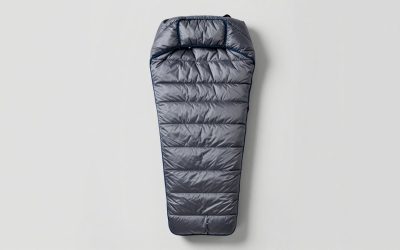
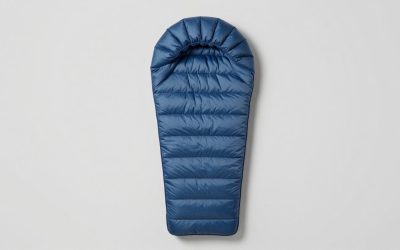
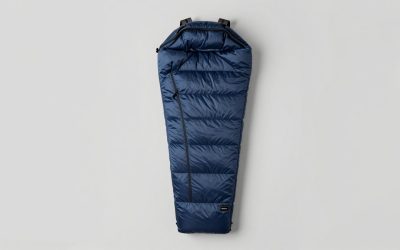
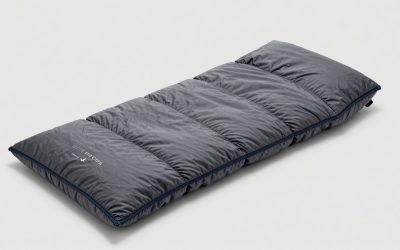
Winter camping has evolved significantly, and as we look at gear trends for 2026, battery heated sleeping bags have transitioned from a luxury novelty to a legitimate tool for cold-weather survival and comfort. Shivering through sub-freezing nights not only ruins a trip, but it also drains your body’s energy reserves and compromises your safety in the backcountry. However, purchasing a powered sleep system is entirely different from buying a traditional down or synthetic bag. You are no longer just evaluating fill power and temperature ratings; you must now weigh electrical outputs, heating element distribution, and battery compatibility.
Choosing the right heated sleep system requires cutting through marketing hype and focusing on the mechanical and electrical realities of cold-weather camping. A poorly engineered bag will leave you with localized hot spots, dead zones, and a depleted power bank before midnight. This guide breaks down the core specifications, critical sizing rules, and common purchasing mistakes to help you select a reliable battery heated sleeping bag that will keep you genuinely warm when the temperature plummets.
As an Amazon Associate we earn from qualifying purchases at no extra cost to you.

Heating Element Placement and Zonal Control
The primary job of a heated sleeping bag is to supplement your body’s natural thermal output, not replace it entirely. When evaluating options, look closely at where the carbon fiber or metal-alloy heating wires are integrated. The most effective designs focus on the core torso area and the footbox, as these are the zones most susceptible to poor circulation and rapid cooling. Zonal control is another critical feature; being able to independently adjust the heat level of your upper body versus your feet allows you to fine-tune your comfort without overheating. Avoid bags that place heating elements haphazardly across the entire length, as this often leads to inefficient power consumption and uncomfortable bunching of internal wires.
Power Source Compatibility and Voltage Requirements
One of the most frequent mistakes campers make is assuming any portable power bank will work with any heated bag. Many manufacturers utilize proprietary battery packs, which can leave you stranded if the battery fails or if you need a replacement in a remote area. Look for bags that rely on standard USB Power Delivery (USB-PD) protocols and accept generic external power banks. Additionally, pay close attention to voltage requirements. While standard 5V USB setups are common for lightweight use, high-performance winter bags often require 12V outputs to generate enough sustained warmth against sub-zero ambient temperatures.
Understanding Battery Capacity and Runtime Realities
Cold weather is notoriously harsh on lithium-ion batteries, drastically reducing their stated capacity. When reading manufacturer runtime specifications, always apply a safety discount of roughly thirty to forty percent for freezing conditions. A battery that claims eight hours of low-heat operation in a climate-controlled laboratory will likely yield closer to five hours inside a freezing tent. To combat this, calculate your power needs based on Watt-hours (Wh) rather than milliamp-hours (mAh), and consider carrying a secondary backup battery or a lightweight charging setup to replenish your power reserves between nights.
Fabric Durability, Insulation, and Moisture Management
A battery heated sleeping bag is still a sleeping bag first, meaning its baseline insulation matters immensely if your power fails. Never rely solely on the electronic heating elements to keep you alive; the shell and internal insulation must have an adequate standalone temperature rating for your expected environment. Look for durable ripstop nylon shells treated with a reliable DWR (Durable Water Repellent) coating to fend off tent condensation and frost. Furthermore, ensure the internal lining is breathable enough to prevent moisture buildup from body perspiration, which can quickly turn clammy and freeze against your skin.
Sizing, Fit, and Heat Retention Efficiency
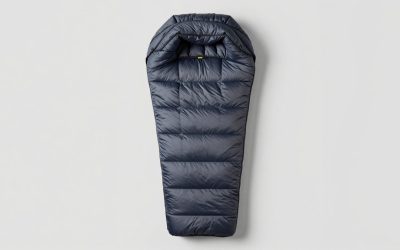
With traditional sleeping bags, a bit of extra interior space can sometimes feel comfortable, but heated bags require a more deliberate fit. If a bag is too large, the heating elements will struggle to warm the vast expanse of dead air space around your body, wasting precious battery life. Conversely, if the bag is too tight, it will compress the insulation loft and potentially bend or strain the internal heating wires. Choose a snug, mummy-style cut that allows your body to gently press against the heated panels, maximizing direct thermal transfer while preserving the natural loft of the surrounding insulation.
Weight Penalties and Backpacking Trade-Offs
Physics dictates that adding heating elements, wiring harnesses, and high-capacity batteries will increase the overall weight of your sleep system. If you are winter car camping or pulling a sled, the extra heft is rarely an issue. However, if you plan on ski touring or backpacking deep into the mountains, every ounce matters. You must weigh the comfort of active warmth against the physical toll of carrying a heavier pack. For backcountry travel, look for minimalist hybrid designs that use lightweight thermal-reflective linings to minimize the size of the battery you need to carry.
Related Guides
Navigating cold-weather backcountry setups requires balancing shelter, auxiliary power, and site safety. For a detailed breakdown of top-performing options, check out our guide to best battery heated sleeping bags. If you are running electronics off the grid, keeping your power banks charged is essential; explore our recommendations for solar panels for camping. For family campers and those managing multi-person winter basecamps, maintaining awareness across large tents is vital, much like the utility found in our review of baby monitors for camping.
FAQ
Can I wash a battery heated sleeping bag in a washing machine?
Most heated sleeping bags require careful spot cleaning or hand washing with the battery disconnected and the waterproof connector cap securely fastened. Always check the manufacturer’s specific care tag, as machine agitation can snap internal wiring or damage the heating zones.
Do I need a special power bank, or can I use my phone charger?
Standard phone chargers generally do not output enough wattage or voltage to power winter-grade heating systems effectively. You must use a power bank that matches the specific voltage output and minimum amperage requirements specified by the bag manufacturer.
Will the heating elements drain my battery overnight if I fall asleep?
Many modern heated sleeping bags feature built-in automatic shut-off timers or adjustable thermostats that step down the heat level after a couple of hours. To ensure you do not wake up freezing with a dead battery, look for models with sleep timers or manually cycle the power settings before bed.
Can I use a heated sleeping bag safely in sub-zero temperatures?
Yes, they are specifically designed for cold weather, but they should be treated as a supplemental heat source rather than your sole survival gear. Always pair your heated bag with an insulated sleeping pad that has an appropriate R-value to prevent conductive heat loss to the frozen ground.