Shopping for a portable seat when every ounce in your backpack counts requires a careful balance of weight, packed size, and structural integrity. In 2026, ultralight camp furniture has evolved significantly, offering impressive support without tipping the scales past the strict two-pound threshold. However, trimming every unnecessary gram often introduces compromises in comfort, ease of setup, and durability on uneven terrain.
This decision guide cuts through marketing jargon to focus on the actual mechanics of ultra-portable seating. By understanding the critical engineering trade-offs, weight distribution limits, and frame materials, you can select a piece of gear that survives rugged backcountry use rather than bending on its maiden voyage. Whether you are thru-hiking, bikepacking, or simply car camping with limited trunk space, knowing what specs actually matter will save you both money and frustration.
Understanding Frame Materials: Aluminum Alloys vs. Composites
The skeleton of any sub-two-pound chair dictates its lifespan and structural resilience. The vast majority of ultralight seats rely on high-grade aluminum alloys, which provide an optimal strength-to-weight ratio. Look for designated alloy series numbers that indicate aerospace-grade manufacturing, as these resist bending under eccentric loads. While carbon fiber composites occasionally appear in ultra-premium segments to shave off a few more grams, they can shatter catastrophically if impacted sharply against rocks, whereas aluminum typically bends rather than snapping instantly.
The Real Impact of Packed Size on Your Pack Configuration
Weight is only one metric of portability; the physical dimensions of the packed chair dictate how it integrates into your gear system. A cylinder-shaped bundle fits easily into side pockets, while flat-folding designs slide seamlessly against the back panel of a hiking pack. Evaluate whether the packed length aligns with your container constraints. Bulky cylindrical sacks can throw off your pack balance if strapped externally, making compact, vertically streamlined storage bags a major asset on technical trails.
As an Amazon Associate we earn from qualifying purchases at no extra cost to you.
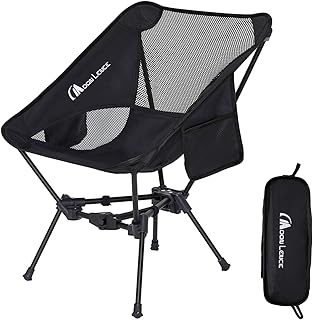
Weight Capacity Ratings Versus Real-World Durability
Manufacturers assign maximum weight ratings based on static load tests performed in controlled laboratory environments. Real-world conditions involve dynamic forces, such as dropping heavily into the seat after a long hike or shifting weight abruptly on sloping terrain. To ensure long-term reliability, select a chair where your body weight sits comfortably below the maximum stated limit. Overloading an ultralight frame accelerates wear on the plastic junction hubs, which are often the first component to experience fatigue.
Seat Height and Ergonomics for Different Outdoor Activities
Low-profile ultralight chairs sit mere inches off the ground, which drastically reduces frame weight but makes standing up a strenuous exercise for knees and hips. Taller designs offer easier ingress and egress but require longer, heavier legs that can introduce stability issues in wind or on uneven ground. Consider your physical comfort and the primary setting. Low seats excel inside restrictive tent vestibules, while slightly elevated frames provide a more natural posture around a campfire.
Footprint Design: Sinking Prevention on Soft Ground
Physics dictates that a smaller surface area applying the same force will exert higher pressure, which translates to chair legs burrowing straight into wet soil, sand, or snow. Examine the feet of the chair before purchasing. Models with broad, articulating feet or integrated mud mats distribute pressure effectively across loose terrain. If you frequently camp in damp environments, choosing a design compatible with clip-on ground anchors or improvised wide bases will prevent frustrating sinking episodes.
Assembly Mechanics: Shock-Cord Poles vs. Folding Frames
The mechanism used to deploy your seating option impacts both setup speed and long-term durability. Shock-corded pole networks operate similarly to modern tent architectures, requiring you to slot aluminum segments together before stretching the fabric skin over the corners. While this yields the smallest packed volume, cold fingers can struggle with tensioning the final corner pockets. Conversely, umbrella-style folding frames deploy instantly but result in a longer, bulkier packed profile that demands exterior lash points.
When to Spend More for Premium Materials
Budget models often utilize heavier steel fasteners, lower-grade webbing, and thicker fabrics that safely meet the sub-two-pound target but sacrifice refinement. Upgrading to a more expensive tier usually buys you meticulously CNC-machined hubs, higher-denier ripstop fabrics with waterproof coatings, and proprietary aluminum treatments that resist corrosion. If you camp frequently or rely on your gear in punishing alpine climates, investing upfront in premium engineering prevents premature failure and delivers better long-term value.
Related Guides
If you are still deciding on the right model for your upcoming trips, take a look at our top-rated ultra-portable seating picks to see how current options compare side by side.
FAQ
Are chairs under two pounds sturdy enough for heavy users?
Most chairs in this weight class are engineered to support standard adult weights, typically ranging up to a specified maximum load. However, dynamic movement like dropping heavily into the seat can stress the joints, so checking the manufacturer weight limit and sitting down gently is essential for longevity.
Do ultralight chairs sink into mud or sand?
Yes, the narrow feet on most ultra-portable chairs easily penetrate soft ground. You can mitigate this by purchasing aftermarket ball feet or simply placing a flat rock or piece of bark beneath each leg to distribute your weight.
How difficult is it to assemble shock-corded chair frames?
Shock-corded aluminum frames generally snap together quickly via internal elastic bands, much like a backpacking tent pole. While it takes a little practice initially, assembly typically becomes an effortless, intuitive routine after a few uses.
Can I repair a broken pole or torn fabric in the field?
Field repairs depend on the exact failure point, but carrying a small sleeve splint for bent aluminum poles and high-strength repair tape for fabric tears can save a trip. If a hub mechanism fails completely, field fixes are rarely permanent, requiring a replacement part from the manufacturer.