Key takeaways
- Pros: Lowest price in the group, convertible single-to-double design adds flexibility for families.
- Con: Zipper durability is inconsistent across production batches.
Choosing sleeping bags for camping means balancing warmth, weight, and budget against the reality of what you actually need on a trip. A bag rated well below the temperature you’ll encounter leaves you shivering all night, while an oversized or overweight model wastes pack space and adds unnecessary strain on a trail. The difference between a good night’s sleep and a restless one usually comes down to a handful of specs: temperature rating accuracy, insulation type, packability, and whether the shape fits your body and sleeping style.
We compared the published specs, listed prices, and aggregated owner feedback across seven popular options to identify which bags deliver the best value for specific use cases. Some of these are genuinely budget-friendly and perform well for car camping and mild conditions. Others carry premium features that justify a higher price only if your trips demand them. Below you’ll find a breakdown of who each bag suits, where it falls short, and when you should look elsewhere.
Our top picks
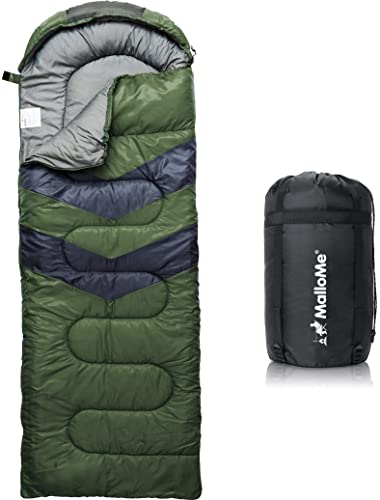
 MalloMe Sleeping Bags for Adults Cold Weather
- Occupancy: 1 Person
- Shape: Rectangular
- Seasons: 3 Seasons
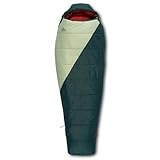
 Coleman Brazos Adult Sleeping Bag
- Occupancy: 2 Person
- Seasons: All Seasons
- Temperature Rating: 31 to 45 degrees Celsius

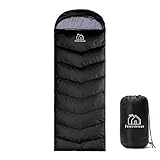
 HiZYNICE Sleeping Bags for Adults XXL Cold
- Occupancy: 1 Person
- Seasons: 3 Seasons
- Temperature Rating: 0°F

As an Amazon Associate we earn from qualifying purchases at no extra cost to you. Ratings are shown as listed on Amazon.
Quick Picks
| Product | Best for | Price |
|---|---|---|
| MalloMe Cold Weather (Entry) | Budget single or double bag for casual campers | under $30 |
| MalloMe Cold Weather (Upgrade) | Slightly thicker fill, same family, same versatility | under $30 |
| Sportneer Waterproof | Wet-weather car camping and travel | under $30 |
| Coleman Brazos | Trusted brand, cool-weather comfort at 30°F | under $60 |
| BORULL Queen Double | Couples who want a wide, pillow-included setup | under $50 |
| HiZYNICE XXL | Larger sleepers needing extra room and cold-weather warmth | under $70 |
| oaskys Double with Pillows | All-season two-person bag with waterproof shell | under $50 |
How We Picked
We evaluated temperature rating plausibility (whether the stated rating matches the insulation type and fill weight), pack size relative to stated weight, shape and fit options for different body types, zipper and snag reliability based on owner complaints, and value per dollar at the listed price. A bag that scores well on specs but consistently frustrates owners with zippers or sizing issues loses ground in our ranking.
The 7 Best Sleeping Bags For Camping in 2026
MalloMe Cold Weather (Entry)
This is the lowest-cost way to get two people into matching bags or one person into a convertible double. Owner feedback highlights surprising warmth for the price in spring and fall conditions, and the lightweight construction means it won’t punish a short trail carry. The zipper quality is the most common complaint, with several reviewers reporting snagging over time.
- Pros: Lowest price in the group, convertible single-to-double design adds flexibility for families.
- Con: Zipper durability is inconsistent across production batches.
Skip this if you camp in sustained freezing conditions or need a bag that will survive dozens of seasons of heavy use.
MalloMe Cold Weather (Upgrade)
The upgraded version offers a thicker fill layer while keeping the same convertible shape and lightweight profile. It sits at the sweet spot for parents who want matching bags for kids or a couple’s setup without spending more than necessary. Owners note noticeably better warmth in the 40-to-50-degree range compared to the entry model. The fabric feel is slightly less rough, which matters when sleeping without a liner.
- Pros: Better insulation-to-cost ratio than the entry version, same versatile sizing options.
- Con: Still not rated for below-freezing nights despite marketing language that some buyers misread.
Pass on this if you need a genuinely sub-freezing bag or if exact temperature ratings are critical for your trips.
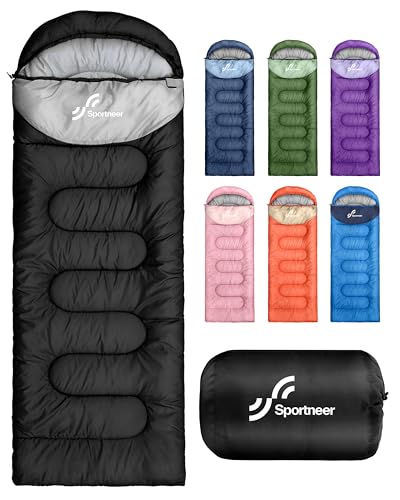
Sportneer Waterproof
This bag targets campers who deal with damp mornings, condensation in tents, or unpredictable spring storms. The waterproof outer shell is its defining feature and the reason most owners choose it over cheaper alternatives. It packs compactly for its size, making it a reasonable option for overnight backpacking in mild conditions where weight matters but you refuse to gamble on a dry sleep. Some reviewers note the interior lining feels plasticky in warm weather.
- Pros: Waterproof shell at the lowest price in the group, compact pack size relative to weight.
- Con: Breathability suffers in hot, humid conditions due to the waterproof membrane.
Skip this if you camp mostly in dry, cold environments where breathability and fill power matter more than shell protection.
Coleman Brazos
The Brazos is one of the most recommended car-camping bags under $60, and for good reason. Coleman’s no-snag zipper system addresses the single most common failure point on budget bags, and the 30°F rating is credible for synthetic fill in that price tier. Owners consistently praise the roomy fit and durable construction over multiple seasons. The trade-off is bulk: it is not a backpacking bag, and its weight and packed size reflect that.
- Pros: Reliable no-snag zipper, brand reputation backed by consistent owner satisfaction over years.
- Con: Heavy and bulky compared to the others on this list.
Do not buy this if weight or pack volume is a constraint for your trips.
BORULL Queen Double
For couples who refuse to zip separate bags together or share a cramped double, this queen-size option delivers actual width. Two included pillows add value for car-camping setups where you are not counting ounces. Owners appreciate the generous dimensions and the ability to separate into two singles when needed. The downside is warmth: at its price and weight, the insulation is adequate for cool weather but thin for cold nights without a sleeping pad or liner underneath.
- Pros: True queen width with included pillows, converts to two singles.
- Con: Insulation is underwhelming for a product marketed toward cold weather use.
Avoid this if you camp in temperatures below 40°F without supplemental insulation layers.
HiZYNICE XXL
This is the bag for larger adults who find standard mummy or rectangular shapes restrictive. The XXL dimensions provide shoulder and hip room without requiring you to compromise on a cold-weather rating. Owner feedback highlights the comfortable fit for sleepers over six feet or with broader builds, and the hood drawcord works well for sealing drafts. The price is the highest in this group, and some reviewers note the zipper requires a two-handed approach when the bag is fully zipped.
- Pros: Genuine extra-large sizing that fits without compression, cold-weather rated.
- Con: Highest price in this roundup, zipper operation is less intuitive when fully closed.
Skip this if you are a standard-build sleeper who can find adequate fit in a regular-size rectangular bag at half the cost.
oaskys Double with Pillows
Combining a waterproof shell, a two-person capacity, and included pillows, this bag covers the most bases in the group at a mid-range price. It is effectively an all-season car-camping solution for couples who deal with varied conditions from spring showers to cool autumn nights. The XL sizing fits two adults without the cramped feel of lesser doubles. A few owners report the zipper separation mechanism is fiddly when splitting into singles.
- Pros: Waterproof shell, dual-use design, pillows included, competitive price for the feature set.
- Con: Splitting into two singles is less seamless than a dedicated single-to-double system.
Pass if you are a solo camper who does not need the extra width and weight of a double bag.
Buying Guide
Temperature Rating: Why the Number on the Tag Can Mislead
Synthetic-fill bags at budget prices often carry optimistic temperature ratings. A bag labeled “cold weather” but rated only for 35°F will feel marginal at that limit, especially without a proper sleeping pad. The practical rule: assume the bag is comfortable five to ten degrees above its stated rating. If you camp in 30-degree conditions, you need a bag rated for 20°F or lower, or a reliable liner that adds a few degrees.
Shape, Sizing, and Fit
Rectangular bags give shoulder and leg room but trap heat less efficiently than tapered or mummy shapes. Double bags solve the intimacy question but introduce zipper-compatibility issues and uneven warmth distribution between the two sides. If you are over six feet or carry extra weight in your shoulders, size up. A bag that fits too snugly reduces air circulation and cold spots, negating the insulation you are paying for.
Weight and Packability vs. Your Trip Type
For car camping, weight and packed size barely matter. Choose durability, room, and warmth first. For backpacking, every extra pound and liter you carry affects your pace and comfort. The bags in this roundup skew toward car camping and casual travel. If you are counting ounces, none of these is a true backpacking bag, and you should look at ultralight down models above this price tier.
Our Verdict
The Coleman Brazos is our top pick for most campers. It is the only bag here where the brand’s zipper system and published rating align with what owners actually experience, and the price reflects legitimate durability rather than optimistic marketing. For the tightest budget, the Sportneer Waterproof delivers the most features per dollar when you factor in its shell protection and compact pack size. However, if you are a couple who prioritizes width and pillow convenience over pure warmth, the oaskys Double with Pillows wins on versatility at a mid-range price.
FAQ
Can I use two sleeping bags for camping together as a double?
Yes, if both bags have compatible right- and left-hand zippers of the same length and brand series. Mismatched zippers create gaps and cold spots that defeat the purpose.
Is synthetic fill or down better for wet conditions?
Synthetic insulation retains most of its warmth when damp, while down loses loft and insulating power quickly. If you camp in rain-prone environments or condensation-heavy sites, synthetic is the safer choice.
Do I really need a sleeping pad with a sleeping bag?
A sleeping bag’s bottom insulation compresses under your body weight, creating a cold bridge to the ground. A pad with a high R-value solves this and adds several degrees of effective warmth that the bag rating does not account for.
How long do budget sleeping bags last?
With regular seasonal use, expect three to five years before synthetic fill loses significant loft or zippers fail. Car-camping bags generally outlast backpacking bags because they see less compression and abrasion during packing.