Shopping for a solar-powered camping lantern can feel overwhelming with the sheer number of options flooding the market in 2026. Manufacturers often plaster buzzwords like “infinite runtime” or “tactical solar power” across their packaging, masking what actually makes a lantern reliable in the backcountry. Whether you are prepping for a weekend car camping trip or a multi-day backpacking excursion, cutting through the marketing noise is essential to finding a light source you can depend on when the sun goes down.
This guide cuts straight to the core of what matters when evaluating solar lanterns. We will examine the real-world performance metrics, structural designs, and charging redundancies that separate gimmicky gear from dependable wilderness tools. By understanding how these components work together, you can invest your money wisely and avoid ending up stranded in the dark with a dead battery.
As an Amazon Associate we earn from qualifying purchases at no extra cost to you.

1. Understanding Solar Panel Efficiency and Size
The single biggest misconception about solar lanterns is that having a tiny solar panel means your gear will magically stay charged forever. In reality, physics dictates that a surface area of just a few square inches can only harvest a limited amount of ambient energy. When evaluating a lantern, look closely at the type of solar cells used. Monocrystalline panels offer significantly higher energy conversion rates than cheaper polycrystalline alternatives, making them much more effective during overcast days or in shady forest canopies. Always check whether the panel is integrated smoothly into the body or if it features a fold-out design, as larger surface areas translate directly to faster recharging times.
2. Battery Capacity and Storage Metrics
A solar panel is only as good as the internal battery storing the energy it collects. When reading specifications, pay attention to the milliamp-hour rating of the battery pack. A higher mAh rating means more stored power, which translates to longer runtimes on high settings or the ability to top off smaller electronics like headlamps. However, massive batteries require larger solar arrays to recharge efficiently via sunlight alone. Finding the right balance means matching the battery capacity to your actual trip length and power needs, ensuring you aren’t carrying unnecessary weight for a simple weekend getaway.
3. Dual-Charging Capabilities and USB Backup
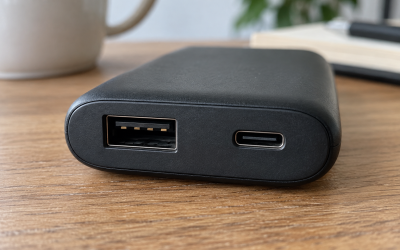
Relying 100 percent on solar power in the wilderness is a risky gamble, especially if you encounter a string of stormy, overcast days. The best solar lanterns feature dual-charging capabilities, combining a solar panel with a standard USB-C input port. This allows you to fully charge the lantern at home before your trip using a wall outlet or power bank. On the trail, the solar panel then acts as a vital trickle-charger to maintain or extend that initial charge. Never purchase a primary camp light that lacks a backup hardwire charging port unless you are strictly using it in guaranteed desert environments.
4. Brightness, Lumens, and Light Quality
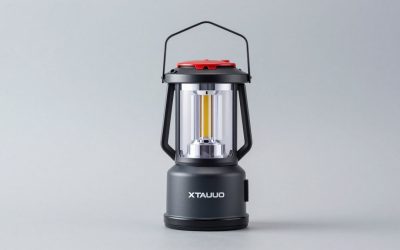
Lumens measure total light output, but raw numbers do not tell the whole story. A lantern pushing 500 lumens might sound impressive, but if the light is a harsh, blinding blue-white, it will ruin your night vision and strain your eyes around the campfire. Look for lanterns that offer adjustable brightness settings, ranging from a low ambient glow for inside the tent to a brighter floodlight for cooking. Additionally, pay attention to color temperature and diffusion; frosted globes and warm-toned LEDs create a much more inviting campsite atmosphere while reducing glare.
5. Durability, Weatherproofing, and Materials
Camping gear takes a beating, bouncing around in truck beds, getting dropped on dirt, and enduring unexpected rainstorms. A quality solar lantern must feature rugged construction with a solid Ingress Protection rating. Look for an IPX4 rating at minimum for basic splash resistance, or IP67 if you plan on water-based adventures where the lantern might take an accidental plunge. Avoid brittle plastics that crack easily under pressure, and favor models with rubberized bumper guards, durable silicone shades, or robust polycarbonate shells that can withstand the rough-and-tumble nature of outdoor life.
6. Weight and Packability for Backpackers
Car campers have the luxury of tossing bulky gear into the trunk, but backpackers must count every ounce. Traditional rigid lanterns take up valuable pack space and add unnecessary weight to your load. Fortunately, the market features innovative collapsible accordions and inflatable solar lanterns that pack down completely flat when not in use. These lightweight designs utilize air or flexible fabric to create a spacious light diffuser, maximizing illumination while minimizing your pack’s footprint. Always weigh the convenience of a rigid power-bank lantern against the space-saving benefits of a packable alternative.
7. When to Spend More on Premium Features
Budget solar lanterns are great for occasional backyard use, but premium models justify their higher price tags through advanced engineering and versatility. Spending more typically gets you high-grade lithium-ion batteries that hold their charge longer in freezing temperatures, integrated USB-output ports that transform your lantern into an emergency power bank for your smartphone, and smart-charging chips that prevent overcharging and overheating. If you venture deep into the backcountry regularly, the extra investment pays off in safety, reliability, and long-term durability.
Related Guides
If you are ready to see how the top models stack up against these criteria, check out our comprehensive best solar powered camping lanterns review to find our top-tested picks for your next trip.
FAQ
Can solar lanterns charge on a cloudy day?
Yes, solar lanterns will still charge under overcast skies, but their charging efficiency drops significantly—often by 70 to 80 percent. It is always best to position the panel in the brightest possible spot and utilize USB pre-charging before heading out if bad weather is forecasted.
How long do solar lantern batteries last over time?
Most rechargeable lithium-ion or lithium-polymer batteries inside these lanterns last between 300 and 500 full charge cycles before noticing a drop in capacity. Storing the lantern with a partial charge in a moderate climate will help extend the overall lifespan of the internal battery.
Are inflatable solar lanterns durable enough for rugged trips?
Inflatable solar lanterns are surprisingly resilient and can handle being dropped or compressed inside a pack, provided they aren’t punctured by sharp objects. They are ideal for weight-conscious backpackers, though car campers might prefer rigid polycarbonate bodies for added security.
Is it safe to leave a solar lantern hanging outside all day?
Most quality camping lanterns are designed to withstand rain and direct sunlight, carrying at least an IPX4 or higher water-resistance rating. However, leaving them in extreme, direct desert heat for prolonged periods can degrade the battery health, so it is wise to bring them under the tarp during peak afternoon baking hours.