Key takeaways
- Pro: Genuine cold-weather insulation rated well beyond what indoor sacks provide.
- Pro: Sized specifically for the 8-24 month window, reducing the risk of a bag being too long for a toddler’s legs.
- Con: For under $70, it costs more than double any indoor option here and is oversized for nursery use.
A baby sleeping bag sits at the intersection of two competing needs: keeping an infant warm through the night while eliminating the hazards that loose blankets create. The wrong choice can overheat a newborn, restrict leg movement during the critical hip-development window, or frustrate a toddler who needs to stand up without tripping over excess fabric. The right one lets a child sleep soundly in a safe, snug layer that stays in place regardless of how much they wiggle.
Across the eight products gathered here for 2026, the meaningful differences come down to age fit, warmth rating, closure mechanism, and material composition. A 30°F-rated outdoor sleeping bag serves a fundamentally different purpose than a 0.5 TOG organic cotton sack meant for a temperate nursery. A nap mat with a sewn-in blanket solves a daycare transition problem, while a wearable blanket with a two-way zipper solves a middle-of-the-night diaper-change problem. Matching the right format to your specific use case prevents both overpaying and underprotecting.
Our top picks


As an Amazon Associate we earn from qualifying purchases at no extra cost to you. Ratings are shown as listed on Amazon.
Quick Picks
| Product | Best for | Price |
|---|---|---|
| Kelty Space Cadet | Camping with infants and toddlers | under $70 |
| MORAIS Toddler Nap Mat | Preschool and daycare naps | under $30 |
| Hudson Baby Cotton Wearable Sack | Newborn swaddle transition | under $20 |
| Yoofoss 6-12 Month Sleep Sack | Older infants needing organic warmth | under $30 |
| Moonsea Nap Mat with Fleece | Cozy daycare or travel naps | under $30 |
| Hudson Baby Quilted Wearable Blanket | Cold-room toddler sleep | under $20 |
| Burt’s Bees Beekeeper | Budget-conscious newborn essentials | under $20 |
| Yoofoss 0-6 Month Sleep Sack | Newborn organic cotton sleep | under $30 |
How We Picked
We narrowed this list using four criteria drawn from published specs and recurring owner feedback. First, warmth appropriateness: TOG ratings and temperature limits must match the intended sleep environment rather than being overbuilt or underinsulated. Second, safety design: a baby sleeping bag should stay secured without excess fabric that could bunch near the face, and the closure system should resist a curious toddler’s fingers. Third, material integrity: organic cotton and certified fabrics matter for skin-contact items, and owners consistently flag pilling, shrinking, or chemical smells on inferior materials. Fourth, practical usability: two-way zippers, shoulder snaps, and armhole placement determine whether a parent can complete a nighttime change in under two minutes.
The 8 Best Baby Sleeping Bag in 2026
Kelty Space Cadet Infant and Toddler Sleeping Bag
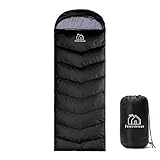
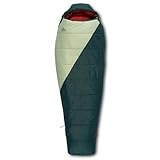
This is the only true outdoor sleeping bag on the list, rated to 30°F and sized for 8-24 months. It suits parents who camp with infants and need a self-contained sleep system in a tent or RV. The construction is built around a traditional mummy-style hood and full-length zip that most nap mats lack.
- Pro: Genuine cold-weather insulation rated well beyond what indoor sacks provide.
- Pro: Sized specifically for the 8-24 month window, reducing the risk of a bag being too long for a toddler’s legs.
- Con: For under $70, it costs more than double any indoor option here and is oversized for nursery use.
Skip this if your baby sleeps in a climate-controlled room; you will overheat them and you will pay a premium for features you never need.
MORAIS Toddler Nap Mat with Pillow and Blanket
Designed around a 52″ x 20″ footprint, this nap mat targets daycare drop-off and preschool quiet time. The integrated pillow and blanket mean a toddler cannot lose or forget a component during transit. Owners frequently note the lightweight construction makes it easy for small children to carry.
- Pro: All-in-one design eliminates the “where is my blanket” problem at nap time.
- Pro: For under $30, it undercuts most single-purpose nap mats while including pillow and blanket.
- Con: The soft fill is not machine-washable without flattening, according to multiple owners.
Skip this if your child is under 18 months or still needs a wearable format that keeps arms contained.
Hudson Baby Unisex Cotton Long-Sleeve Wearable Sleeping Bag
Sized for 0-3 months with long sleeves and a sack-style bottom, this is a wearable blanket for newborns who still startle with their arms. The cotton construction keeps it breathable and machine-washable. For under $20, it sits in an accessible price tier for parents buying multiple sizes as their baby grows.
- Pro: Long sleeves provide warmth without the bulk of a sleep sack plus a separate bodysuit.
- Pro: Simple pullover design with snaps at the shoulders for quick changes.
- Con: No TOG rating is published, so parents must judge warmth by feel alone.
Skip this if your baby is past the newborn startle reflex stage; the arm coverage becomes unnecessary and restricts movement.
Yoofoss Baby Sleep Sack 6-12 Month
With a 0.5 TOG rating and 100% organic cotton construction, this sleep sack targets the 6-12 month window for households in warmer climates. The two-way zipper allows a parent to open from the bottom for diaper changes without fully undressing the child. Owners praise the fabric softness after repeated washing.
- Pro: Organic cotton with a verified TOG rating removes guesswork about warmth levels.
- Pro: Two-way zipper design is specifically useful for overnight changes.
- Con: For under $30 for a single sack, buying a full size progression gets expensive quickly.
Skip this if you need a bag for a child under 6 months; the armhole placement and length will not fit safely.
Moonsea Toddler Nap Mat with Pillow and Fleece Minky Blanket
Similar in format to the MORAIS option but featuring a fleece minky blanket, this mat suits parents who want extra surface softness. The grey colorway is practical for daycare settings where stains show. For under $30 it is marginally cheaper than its competitor here.
- Pro: Minky fleece adds a texture that sensory-seeking toddlers often prefer over plain cotton.
- Pro: Compact roll-up design fits easily in a backpack or cubby shelf.
- Con: Fleece can generate static in low-humidity environments, causing it to cling and bunch.
Skip this if your daycare enforces a no-fleece policy or if your child has a heat rash history.
Hudson Baby Premium Quilted Long Sleeve Sleeping Bag
Designed for 6-12 months with quilted construction and long sleeves, this wearable blanket fills the gap between a lightweight sack and a heavy sleep suit. The Enchanted Forest print is one of the more visually appealing options in this price bracket. For under $20, it undercuts organic alternatives by roughly ten dollars.
- Pro: Quilted layering adds warmth without the weight of a fleece-filled sack.
- Pro: Long sleeves and leg coverage allow a child to nap in a cool room without a separate blanket.
- Con: No published TOG value, making it difficult to compare warmth against rated options.
Skip this if you need a certified organic product; the quilted fill is not specified as organic cotton.
Burt’s Bees Baby Beekeeper Infant Wearable Blanket
Available in both 0.5 TOG (lightweight) and 1.5 TOG (medium weight), this is the most warmth-flexible option on the list at the lowest price of under $20. The swaddle-to-sack transition design accommodates babies who are moving out of arms-up swaddling but still need contained sleep.
- Pro: Two TOG choices in a single product line let you match season without buying from a different brand.
- Pro: 100% organic cotton at under eleven dollars is the best material-to-price ratio here.
- Con: The armhole design can be tricky for a squirming four-month-old during dressing.
Skip this if your baby is already rolling and pulling up; the sack format offers less leg freedom than a sleep-suit style.
Yoofoss Baby Sleep Sack 0-6 Month
The sibling to the 6-12 month version, this sack covers the newborn through early-infancy window with the same 0.5 TOG organic cotton build and two-way zipper. Parents transitioning from swaddling to a sack format often start here. It is identical in material philosophy but proportioned for a smaller body.
- Pro: Matches the 6-12 month version in fabric and zipper quality, so families can buy a size progression from one brand.
- Pro: Two-way zipper is accessible even for sleep-deprived adults doing 3 a.m. changes.
- Con: The 0-6 month size range is broad; a newborn and a five-month-old have very different hip widths and lengths.
Skip this if your baby is already above average weight for their age; the cut may become restrictive before six months.
Buying Guide
Match the TOG Rating to Your Room Temperature
TOG measures thermal resistance. A 0.5 TOG sack suits rooms between 68-75°F, while a 1.5 TOG is appropriate for cooler environments around 61-68°F. The Kelty bag uses a Fahrenheit comfort rating (30°F) rather than TOG because it is an outdoor product. For indoor use, always verify the TOG before purchasing; a sack that is too warm for your nursery increases overheating risk, which pediatricians flag as a SIDS contributor.
Check Closure Design for Your Age Window
Newborns need shoulder snaps or a wide neck opening so the bag passes over the head without friction. Older infants who roll and stand require zippers that are not easily undone by small fingers, and two-way zippers add practical value for diaper access. Nap mats for toddlers use no closure at all, which is appropriate once a child can pull a blanket over themselves independently.
Size the Bag to Your Child’s Measurements, Not Their Age Label
Age ranges printed on packaging (0-3 months, 6-12 months) are guidelines, not guarantees. A baby at the 85th percentile for length may outgrow a “6-12 month” sack before the first birthday. Measure from shoulder to toe and add room for hip movement — the bottom should allow frog-leg positioning without constriction. Bags that are too long create a suffocation hazard as the child can slide down inside them.
Our Verdict
For general nursery use with a newborn or infant, the Burt’s Bees Beekeeper wins as the top pick: organic cotton, two TOG options, and the lowest price on the list for under $20. For a budget-conscious daycare setup, the Moonsea Nap Mat delivers integrated pillow and blanket softness for under $30. If you are camping with an infant, nothing else on this list is appropriate — the Kelty Space Cadet for under $70 is the only product with genuine cold-weather insulation.
FAQ
Is a baby sleeping bag safer than a regular blanket?
Yes. A wearable sleeping bag cannot drift over an infant’s face during sleep, which is the primary hazard pediatricians associate with loose bedding. The child moves freely while remaining covered throughout the night.
What TOG rating should I use in summer?
A 0.5 TOG or lighter is appropriate for warm-season nursery temperatures above 72°F. The Yoofoss sacks and the Burt’s Bees lightweight version both meet this criterion. Avoid 1.5 TOG or higher in summer unless your home runs cold air conditioning overnight.
Can a toddler nap mat replace a crib sleeping bag?
For children over roughly 18 months who sleep in a toddler bed rather than a crib, a nap mat with an attached blanket works well. For crib-bound infants under 12 months, a wearable sack is safer because the toddler bed mat format assumes the child can reposition themselves under a blanket without entanglement risk.
How many baby sleeping bags should I buy?
Plan for at least two or three in rotation to allow for laundry between uses. If your baby is in a rapid growth phase, buy one size ahead rather than stocking up on a current size you will outgrow within weeks.