
Tent buying guide shopping starts with matching a shelter to how you camp. This guide walks the key decisions, capacity, season rating, structure, weight and features, then names six representative picks across categories so you buy the right tent the first time.
As an Amazon Associate we earn from qualifying purchases.
Our top picks

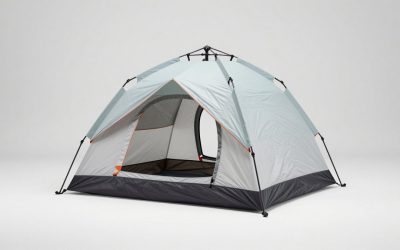
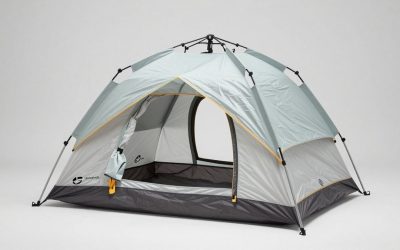
 Coleman Sundome Camping Tent with Rainfly
Included rainfly adds extra weather protection
E-Port lets you run power inside the tent
Large windows and ground vent improve airflow
Fixed four-person size for this specific listing
Weighs over 9 pounds, bulkier for backpacking


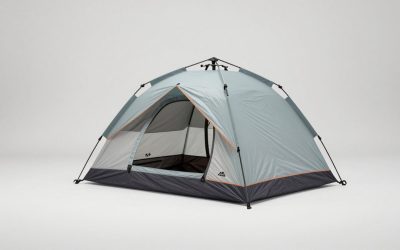
 Coleman Skydome Tent with Full-Fly Weather Vestibule
- Sets up in under 5 minutes thanks to…
- 13 x 3.5 ft
- Nearly vertical walls offer 20% more headroom than…
As an Amazon Associate we earn from qualifying purchases at no extra cost to you.
By Jake Thompson
How This Tent Buying Guide Works
This tent buying guide breaks the choice into a few clear decisions: how many people, which seasons, what pole structure, how much weight, and which features matter. Working through these in order narrows the field fast, so you match a tent to how you actually camp rather than guessing.
Choose the Right Capacity
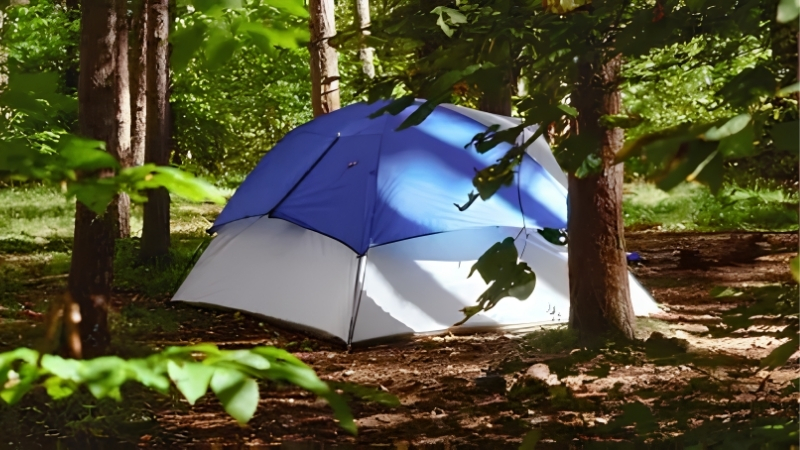
Start with capacity, but read it critically. Tent ratings assume sleepers packed shoulder to shoulder with no gear, so a two-person tent fits two snugly and a six-person tent comfortably sleeps about four. For real comfort, size up one person from your headcount, especially for car camping.
Match capacity to use as well as number. Backpackers keep capacity tight to save weight, while car campers size up freely since weight is no object. Deciding how much room you want, and treating the rated number as a maximum, is the first and most important step in choosing a tent.
Match the Season Rating
Season rating defines what conditions a tent handles. Three-season tents cover spring through fall below treeline and suit the vast majority of campers, pairing mesh for ventilation with a waterproof fly. Four-season tents add pole strength and fabric coverage for snow load and winter storms.
Buy a four-season tent only if you regularly camp in winter or high-alpine terrain, since it is heavier, warmer and pricier than you need otherwise. For most trips, a three-season tent is lighter, cheaper and plenty, so match the rating to your real conditions rather than over-buying for storms you never face.
Pick a Structure and Weight
Structure and weight go together. Freestanding tents pitch anywhere including rock and offer the most space, semi-freestanding shave weight but need corner stakes, and trekking-pole tents are lightest but need flat soil and practice. Weight matters most when you carry the tent, not when you drive.
Match structure to terrain and weight to use. Backpackers prioritize low weight and often accept a trickier pitch, while car campers ignore weight and favor easy-setup freestanding tents. For most hikers, freestanding is the versatile default; ounce-counters who carry poles save weight with trekking-pole tents.
Weigh Features and Value
Features shape daily comfort. Two doors and two vestibules transform sharing, a full-coverage fly and taped seams handle weather, and easy-setup poles speed pitching. Double-wall tents manage condensation better than single-wall. Weigh these against price, since thin ultralight floors need care or a footprint.
Match features and spend to how often you camp. Frequent campers get value from durable, feature-rich tents that last years, while occasional campers can save with simpler models. Prioritize the features that matter for your trips, two doors for sharing, weather protection for storms, over ones you will not use.
Representative Picks From This Tent Buying Guide
These six represent the main tent categories, one strong pick each, so you can see how the decisions above map to real shelters. This tent buying guide highlights them in the table, then breaks down who each suits and its honest drawbacks.
| Model | Category | Best For | Price Tier |
|---|---|---|---|
| Big Agnes Copper Spur HV UL2 | Backpacking 3-season | All-around backpacking | Premium |
| Durston X-Mid 2 | Ultralight | Weight and value | Mid |
| REI Co-op Half Dome SL 2+ | Value backpacking | Beginners | Budget |
| The North Face Wawona 6 | Car camping / family | Group comfort | Premium |
| MSR Access 2 | Four-season | Winter and ski touring | Premium |
| Coleman Skydome 6 | Budget car camping | Occasional campers | Budget |
Big Agnes Copper Spur HV UL2 — Best All-Around Backpacking
The Copper Spur HV UL2 represents the do-everything backpacking tent. This freestanding, three-season, double-wall tent weighs about three pounds, pitches fast with hubbed color-coded poles, and offers two doors, two vestibules and generous headroom. For most backpackers, it is the benchmark all-rounder.
Its thin 15-20D floor is delicate and needs care or a footprint, and it is pricey. For hikers who want a light, livable, well-built tent for the spring-through-fall trips most people take, though, it is the standard other three-season tents are measured against, and it comes in several sizes.
Durston X-Mid 2 — Best Weight and Value
The X-Mid 2 represents the ultralight category. At about two pounds this non-freestanding trekking-pole tent uses a rare double-wall design for condensation control and costs far less than most ultralight tents, with two doors. For hikers who carry poles and want to shed weight affordably, it is an incredible value.
Being non-freestanding, it needs stakes and trekking poles and a trickier pitch on flat-ish ground, so it suits experienced hikers over beginners. For those who want low weight, double-wall comfort and a premium design at a mid price, though, it shows how much ultralight value is now available.
REI Co-op Half Dome SL 2+ — Best for Beginners
The Half Dome SL 2+ represents the value backpacking tent. This freestanding tent delivers generous floor space, a wide interior, two doors and a durable build at a price well below premium tents, backed by REI’s return policy. For beginners who want room and reliability without spending up, it is ideal.
At around three and a half to four pounds it is heavier and bulkier than ultralight tents, so gram-counters will look elsewhere. For new backpackers and recreational hikers who value livable space, durability and value over the lowest weight, though, its comfort-per-dollar is excellent and forgiving to learn on.
The North Face Wawona 6 — Best Group Comfort
The Wawona 6 represents the car camping and family category. It pairs a roomy 85-plus-square-foot interior with a huge, garage-like vestibule, near-vertical walls, two doors and premium, durable materials, shrugging off storms. For families and groups who drive to camp, it is the do-everything comfort pick.
Its tall profile catches wind, it is best pitched with two people, and it is heavy and premium-priced, though weight is a non-issue for car camping. For groups who want maximum comfortable space, a massive vestibule and lasting durability, though, it is the standout, and it comes in four- and eight-person sizes.
MSR Access 2 — Best Winter and Ski Touring
The Access 2 represents the four-season category. At just over four pounds it is a light double-wall winter tent with better ventilation and livability than heavier models, ideal for ski touring and light winter trips below the peaks. For campers stepping into cold-weather trips, it is a versatile entry.
It is built for treeline conditions rather than extreme high-altitude exposure, and it does not include enough stakes and cord for the worst wind. For ski tourers and winter backpackers who want a livable, lightweight four-season tent, though, it is an excellent, versatile choice for the category.
Coleman Skydome 6 — Best for Occasional Campers
The Skydome 6 represents the budget car camping category. It pitches fast, offers a roomy dome interior for a group, and costs a fraction of premium tents, making it an easy entry into camping. For occasional campers or those testing whether they enjoy it, it delivers a lot of tent for little money.
Its materials and weatherproofing are basic, so it is less durable and storm-ready than premium tents and best for fair weather. For budget-minded and casual campers, though, its low price and quick setup make it a sensible starting point that shows what the budget end of the category offers.
What Tent Prices Look Like in 2026
Tents span budget to premium, so timing helps whatever category you choose. A couple of current market forces affect what tents cost and when to buy, without changing which model fits your trips.
Tariffs Pressure Materials Unevenly
Tents use imported technical fabrics and aluminum poles, and metal tariffs remain in place. Brands have described future pricing as a moving target, so committing to a tent you already like, rather than waiting indefinitely, is a reasonable call this year across every category.
The effect is uneven. Premium, cottage and four-season tents have largely held pricing, while budget and mid-tier three-season and car camping tents see more discounting. Value-focused buyers should watch mainstream and budget tents for closeouts, and treat premium tents as fixed investments.
Buy Ahead of Your Season
Tents sell hardest heading into their season, spring and summer for three-season and car camping tents, fall and winter for four-season tents. Buying ahead secures the model you want and lets you practice pitching it. Fall sale events like Prime Big Deal Days in early October and Black Friday bring the deepest discounts.
Cottage and premium tents rarely discount deeply and can have lead times, so for those, availability matters more than a markdown. Mainstream tents regularly drop during fall events, so patience often pays off on backpacking, three-season and car camping models across the board.
Buy Once, Buy Right
The best value is buying the right tent for your camping once, rather than a cheap one you replace. Match capacity, season rating, structure and features to how you actually camp, protect thin floors with a footprint, and spend on durability if you camp often. A well-chosen tent lasts many seasons.
If a specific model or size is prone to selling out, buy early rather than gambling on peak-season stock. Missing the right tent before a trip costs more than a small discount, so use this tent buying guide to decide, then lock in the shelter that fits your trips and practice pitching it at home.
Frequently Asked Questions
These are the questions campers ask most when buying a tent.
What is the most important thing in a tent buying guide?
Matching the tent to how you camp. A good tent buying guide starts with capacity, season rating and whether you carry or drive, since those decisions drive everything else. Get those right, and weight, structure and features fall into place around the way you actually use the tent.
What size tent should I buy?
Size up one person from your headcount for comfort, since ratings assume no gear and shoulder-to-shoulder sleeping. Backpackers keep capacity tight to save weight, while car campers size up freely. Treat the rated number as a maximum, and match floor area and headroom to your group and gear.
Do I need a three-season or four-season tent?
A three-season tent for most people, since it covers spring through fall below treeline, the conditions the vast majority of trips face. Buy a four-season tent only if you regularly camp in winter or high-alpine terrain with snow and extreme wind, where the extra strength and warmth are essential.
Is a footprint worth buying?
For tents with thin ultralight floors, yes. A footprint extends floor life by years at a small cost and weight, protecting a pricey shelter. Gram-counters may skip it and choose sites carefully, but for most campers protecting an investment, it is smart, inexpensive insurance for any tent.
See More:
- Best hiking backpack
- Best backpacking backpack
- Ultralight hiking backpack
- Best hydration backpack
- Best hiking backpack for women
Final Thoughts
This tent buying guide comes down to matching capacity, season rating, structure, weight and features to how you camp. The Copper Spur HV UL2 covers all-around backpacking, the Wawona 6 covers family car camping, and the MSR Access 2 covers winter. Work through the decisions in order, buy the right tent once, and it will serve you for many seasons of trips.


Write Your Review
No reviews yet. Be the first to share your experience!