
Best family camping tent shopping is about space, weather protection and easy setup, so a weekend with kids and gear stays fun. These are big car-camping shelters, not backpacking tents. This guide compares six roomy picks so you camp comfortably through any weekend.
As an Amazon Associate we earn from qualifying purchases.
Our top picks


As an Amazon Associate we earn from qualifying purchases at no extra cost to you.
By Jake Thompson
How to Choose the Best Family Camping Tent
Choosing the best family camping tent means prioritizing living space, weather protection, easy setup and durability over weight, since you drive to camp. A tent that gives your family room to move, shrugs off storms, and pitches without a fight is what keeps everyone happy on a weekend out.
Prioritize Livable Space
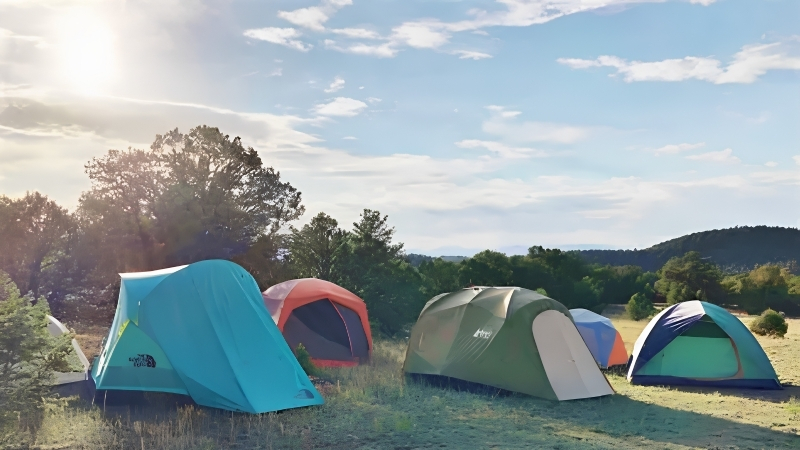
Family tents are measured by floor area, peak height and vestibule space. Look for enough square footage for your sleepers plus gear, standing or near-standing headroom so kids can change and play, and a vestibule for muddy boots and wet clothes. Space is what makes a rainy day tolerable with kids.
Consider tent shape too. Cabin-style tents with near-vertical walls maximize usable space and headroom to the edges, while dome tents are sturdier in wind but shrink headroom along the sides. Match the shape to whether you prioritize interior room or weather resistance for your typical trips.
Check Weather Protection
Even car campers face storms, so weather protection matters. A full-coverage rainfly, taped seams, sturdy aluminum poles and a bathtub floor keep your family dry, while a dome structure holds up better in wind than a tall cabin. Match the tent’s weatherworthiness to where and when you camp.
Decide how much weather you realistically face. Fair-weather summer campers can prioritize space and airflow, while those who camp in shoulder seasons or windy areas should favor a dome-style tent with a full-coverage fly. A tent that handles the worst night keeps a family trip from being ruined.
Value Easy Setup and Doors
Setting up after a long drive with tired kids is where easy-pitch designs shine. Look for color-coded, hubbed or pre-bent poles, deep pole pockets and pre-attached guylines that speed the process. Two doors let people come and go without climbing over each other and improve cross-ventilation.
Bigger family tents often pitch best with two people, so factor that in. A tent that goes up fast and has two doors makes family camping far less stressful, so prioritize these practical features, which matter more day to day than a slightly larger floor you will rarely fully use.
Weigh Durability and Value
Family tents take abuse from kids, pets and repeated setups, so durable fabrics, a tough floor and quality zippers pay off. Weigh that durability against price, which spans budget big-box tents to premium base-camp shelters, and match the spend to how often your family camps.
Frequent campers get real value from a durable, weather-ready tent that lasts many seasons, while occasional campers can save with a budget model. A tent that survives years of family trips is a better value than a cheap one you replace, so buy for your actual camping frequency.
Top Picks: The Best Family Camping Tent for 2026
These six span budget big-box tents to premium base-camp shelters, all roomy enough for a family. The best family camping tent depends on your space and weather needs, so scan the table, then read each pick for who it suits and its honest drawbacks.
| Model | Capacity | Style | Best For | Price Tier |
|---|---|---|---|---|
| The North Face Wawona 6 | 6P | Hybrid dome | Best overall | Premium |
| REI Co-op Wonderland 6 | 6P | Cabin-ish | Comfort and space | Premium |
| REI Co-op Westward 6 | 6P | Cabin | Standing room | Premium |
| NEMO Aurora Highrise 6 | 6P | Near-vertical dome | Value all-rounder | Mid |
| Kelty Wireless 6 | 6P | Cabin-ish | Easy setup value | Mid |
| Coleman Skydome 6 | 6P | Dome | Budget | Budget |
The North Face Wawona 6 — Best Overall
The Wawona 6 is the family favorite. It pairs a roomy 85-plus-square-foot interior with a huge, garage-like vestibule for gear and muddy boots, near-vertical walls, two doors and premium, durable materials. It shrugs off thunderstorms and snow squalls, making it the most well-rounded family tent for years of service.
Its tall profile catches wind and it is best pitched with two people, and it is heavy and premium-priced. For families who want maximum comfortable space, a massive vestibule and durability that lasts, though, it keeps beating the competition and is the top all-around pick. It also comes in a four- and eight-person size.
REI Co-op Wonderland 6 — Best Comfort and Space
The Wonderland 6 is the roomy comfort pick. Slightly larger and taller than the Wawona and a touch easier to pitch, it offers generous space and headroom for a family to spread out, with quality construction backed by REI’s return policy. For families who prioritize interior room, it is excellent.
It is premium-priced at around $600, has no exterior storage vestibule, and is not built for serious winds. For fair-weather family camping where space and easy setup matter most, though, its livability is hard to beat. A four-person Wonderland covers smaller families.
REI Co-op Westward 6 — Best Standing Room
The Westward 6 is the cabin-style pick for standing room. Its near-vertical walls maximize usable space and headroom to the edges, so adults can stand and kids can play across the whole floor, not just the center. For families who want a true walk-around living space, it is a standout.
Its cabin structure is less wind-worthy than a dome and it is heavy and bulky, strictly a car-camping tent. For families who camp in fair weather and prize standing headroom and usable space over storm resistance, though, its room is excellent, and it earned strong testing marks for all-around performance.
NEMO Aurora Highrise 6 — Best Value All-Rounder
The Aurora Highrise 6 hits the family sweet spot. Its near-vertical walls give spacious, manageable interior room, a sturdy dome-ish structure handles weather well, and it is well-made and family-friendly at a mid price. For families who want comfort without premium spend or excessive bulk, it is a top pick.
Its vestibule space is modest, its patterned floor divides opinion, and the dome shape shrinks headroom slightly along the edges versus a true cabin. For groups and families who want a well-rounded, reliable tent that balances space, weather and value, though, it is one of the best all-rounders.
Kelty Wireless 6 — Best Easy Setup Value
The Wireless 6 is the fuss-free value pick. Its deep pole pockets replace fiddly grommets with secure, easy-to-seat connections, and pre-attached guylines with tidy storage speed setup, so it goes up fast after a long drive. For families who want quick, painless pitching at a fair price, it delivers.
Its materials and weatherproofing are mid-tier rather than premium, so it is best for fair-weather camping. For families who prioritize easy setup and value over bombproof storm protection, though, its thoughtful, quick-pitch design makes it an easy recommendation. A four-person version suits smaller groups.
Coleman Skydome 6 — Best Budget
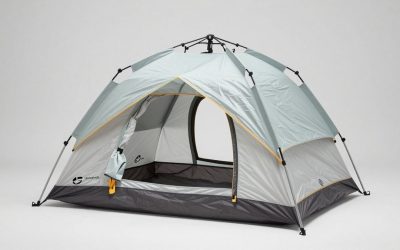
The Skydome 6 is the budget big-box pick. It pitches fast, offers a roomy dome interior for a family, and costs a fraction of premium tents, making it an easy entry into family camping. For occasional campers or those testing whether the family enjoys it, it delivers a lot of tent for little money.
Its materials and weatherproofing are basic, so it is less durable and storm-ready than premium tents and best for fair-weather trips. For budget-minded families and casual weekend campers, though, its low price and quick setup make it a sensible, wallet-friendly starting point.
What Family Tent Prices Look Like in 2026
Family tents span budget to premium, so timing helps. A couple of current market forces affect what these tents cost and when to buy, without changing which model fits your family.
Tariffs Still Pressure Materials
Family tents use imported fabrics and aluminum poles, and metal tariffs remain in place. Brands have described future pricing as a moving target, so committing to a tent you already like, rather than waiting indefinitely, is a reasonable call this year.
The effect is uneven. Premium tents have largely held pricing, while budget and mid-tier family tents see more discounting as retailers clear pre-season inventory. Value-focused buyers should watch the Skydome, Wireless and mainstream tents for closeouts.
Buy Ahead of Camping Season
Family tents sell hardest heading into spring and summer, so buying early ensures you get the model you want and can practice pitching it in the backyard before a trip. Fall sale events like Prime Big Deal Days in early October and Black Friday in late November bring the deepest discounts.
Buying in the off-season can save real money on next summer’s tent. Confirm the size and weather-worthiness suit your family first, then track prices into fall, so you head into camping season with a roomy shelter at a good price.
Buy the Space You Need
Spend on the livable space and weather protection your family actually needs, not the biggest or cheapest tent. A right-sized, durable, weather-ready tent that pitches easily is worth more than a bargain that leaks or a cavern you struggle to set up. Match the tent to your family and climate.
If a specific model or size is prone to selling out, buy early rather than gambling on peak-season stock. Missing the right tent before a family trip costs more than a small discount, and a comfortable, durable shelter is what makes camping with kids something everyone looks forward to.
Frequently Asked Questions
These are the questions families ask most about camping tents.
What size is the best family camping tent?
Size up from your headcount for comfort. The best family camping tent for a family of four is often a six-person model, since rated capacities assume no gear and shoulder-to-shoulder sleeping. Match floor area and headroom to your family plus gear, allowing room to move on a rainy day.
Cabin or dome tent for families?
It depends on your priorities. Cabin-style tents with near-vertical walls maximize standing room and usable space, ideal for fair-weather comfort, while dome tents are sturdier in wind but shrink edge headroom. Choose cabin for room, dome for weather resistance, based on where you camp.
Do family tents handle rain and wind?
Quality ones do, with a full-coverage rainfly, taped seams and sturdy poles. Dome-style tents like the REI Base Camp handle wind best, while tall cabin tents prioritize space over storm resistance. Match the tent’s weatherworthiness to your conditions, and stake and guy it out properly.
How hard are big family tents to set up?
Larger tents pitch best with two people, but easy-setup designs help a lot. Look for color-coded, hubbed or pre-bent poles, deep pole pockets and pre-attached guylines, as on the Kelty Wireless and REI Half Dome. Practice once at home so setup at camp goes smoothly with tired kids.
See More:
- Best hiking backpack
- Best backpacking backpack
- Ultralight hiking backpack
- Best hydration backpack
- Best hiking backpack for women
Final Thoughts
The best family camping tent balances space, weather protection and easy setup for your crew. The North Face Wawona 6 is the do-everything pick, the REI Westward 6 maximizes standing room, and the Coleman Skydome 6 covers budgets. Size up for comfort, match the shape to your weather, then time a sale, and your family will camp happily through any weekend.


Write Your Review
No reviews yet. Be the first to share your experience!