Key takeaways
- Best Sleeping Bags for 2026 — top picks compared, key buying factors, and answers to common questions.
There is a lot of near-identical marketing around best sleeping bags, so this guide focuses on what genuinely separates a good buy from a disappointing one: durable construction, sensible sizing, and features you will actually use. Here is what to check before you order, along with the models that consistently earn their keep.
What to Look for Before You Buy
Temperature Rating
This is the number that matters most, and it is widely misread. Most bags quote a limit or survival figure rather than the temperature at which you will actually sleep well, so buy a bag rated roughly 10°F below the coldest night you expect. A 20°F bag covers spring-to-autumn camping across most of the country; if you only camp in midsummer, a 30–40°F bag packs smaller and costs less.
Fill: Down or Synthetic
Down gives you far more warmth per ounce and packs down much smaller, which is why it dominates backpacking — but it loses most of its loft when it gets wet and costs several times more. Synthetic fill is heavier and bulkier, yet it keeps insulating when damp, shrugs off a machine wash and costs a fraction as much. Damp climates and car camping favour synthetic; long-distance backpacking favours down.
Shape and Size
A mummy bag tapers towards the feet so there is less air for your body to heat, which makes it warmer and lighter — at the cost of feeling restrictive if you are a side sleeper or roll over a lot. Rectangular bags are roomier and often unzip fully to work as a quilt, but they are heavier and lose heat faster. Check the stated maximum user height too; a bag that is too short will pull cold air in at the shoulders.
Weight and Packed Size
If the bag rides in a car this barely matters and you should buy for comfort instead. If it rides on your back, packed size competes with everything else in the pack, and this is where a down bag earns its price. Check whether a compression sack is included, and never store a bag compressed at home — keep it loose or hung, or the fill will lose loft permanently.
Quick Comparison
| Model | Best For | Typical Price |
|---|---|---|
| Kelty Cosmic 20 Down Mummy Sleeping Bag | Best overall for backpacking | under $200 |
| Coleman Brazos 20/30°F Sleeping Bag | Best value for car camping | under $60 |
| Teton 20F and 5F Degree Sleeping Bag | Best for cold weather | under $60 |
| Coleman Heritage Big & Tall 10°F Flannel Sleeping Bag | Best for tall campers | under $80 |
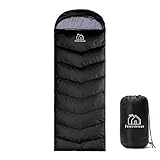
| MalloMe Sleeping Bags for Adults | Best budget sleeping bag | under $30 |
Prices are approximate market ranges and change frequently; always confirm the current price on the live listing.
Top Picks Reviewed
Kelty Cosmic 20 Down Mummy Sleeping Bag — Best overall for backpacking
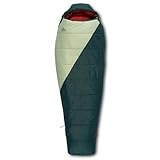
The Cosmic 20 is the bag most experienced backpackers point newcomers towards, and its 4.6-star average across a large pool of buyers backs that up. You get 550 fill power down in a mummy cut rated to 20°F, which covers three-season use almost anywhere, and Kelty builds it with recycled fabrics and a PFAS-free DWR finish so the shell sheds tent condensation without the chemistry many buyers now avoid. For under $200 it is the most expensive bag here, and that is the point: down is what buys you warmth that packs small enough to carry.
Check price and availability on Amazon →
Coleman Brazos 20/30°F Sleeping Bag — Best value for car camping
If the bag goes in the boot rather than on your back, this is where the sensible money goes. The Brazos is rated 20/30°F, which handles shoulder-season weekends, and the synthetic fill means a muddy or damp trip ends in the washing machine rather than in a specialist cleaner. Coleman’s no-snag zipper addresses the single most common failure point on budget bags — the moment at 2am when the zip eats the liner. It is bulky and heavy by backpacking standards, but for under $60 that trade is entirely reasonable.
Check price and availability on Amazon →
Teton 20F and 5F Degree Sleeping Bag — Best for cold weather
Teton offers this mummy bag in both 20°F and 5°F ratings, which makes it the pick if your camping season runs into late autumn or you sleep cold and have been let down by optimistic ratings before. The mummy cut does the real work here: less dead air around your legs means less air for your body to heat through the night. For under $60 it undercuts every down bag by a wide margin, and the trade-off is the usual one — it is heavier and bulkier packed than the Kelty, so plan the pack space accordingly.
Check price and availability on Amazon →
Coleman Heritage Big & Tall 10°F Flannel Sleeping Bag — Best for tall campers
Most sleeping bags quietly assume you are under six feet, and if you are not, you spend the night with your feet compressing the foot box and your shoulders pulling cold air in at the top. This one fits adults up to 6ft 7in, carries a 10°F rating and lines the inside with flannel, which feels far less clammy against skin than the slick nylon liners on cheaper bags. Its 4.7-star average is the highest of any bag here. It is a car-camping bag — heavy, bulky, machine washable — and priced accordingly for under $80.
Check price and availability on Amazon →
MalloMe Sleeping Bags for Adults — Best budget sleeping bag
For under $30 this is the bag for occasional summer campers, scout trips and guest-room duty, and its 4.5-star average says most buyers get what they came for. It zips together with a second bag to make a double, which is genuinely useful for couples and families, and the light synthetic fill dries quickly if it gets damp. Be realistic about the rating: treat this as a warm-weather bag and pair it with an insulated pad before you push it into cold nights, because the ground will take more heat from you than the air will.
Check price and availability on Amazon →
How to Choose the Right Option
Match the purchase to how and where you will use it. Prioritise durability and the one or two features that matter most, size everything to your space, and buy from a listing with clear returns. The best value is the model whose capability fits your actual routine — not the cheapest, and rarely the priciest.
The Bottom Line
There is no single best sleeping bag for every camper — the right pick depends on the coldest night you realistically expect, whether you carry the bag on your back or lift it out of a car boot, and how much room you need to sleep comfortably. The models above were selected because they balance real-world performance, build quality and value rather than winning on spec sheets alone. If you are unsure, start with the option we highlight as the best overall or best value; both are safe choices that suit the majority of buyers, and you can step up to a premium pick if a specific feature matters to you. Whatever you choose, buy from a listing with clear return terms so you can confirm the fit works for your needs, and always check the current price before ordering, since deals and stock change frequently.
Before you commit, it is worth reading recent buyer reviews for the specific model you are considering, since real-world reliability and customer service vary between brands and can matter as much as the headline specifications. Check the seller’s return window and warranty terms, confirm the current price rather than relying on a quoted figure, and make sure the size, capacity or compatibility genuinely matches your needs and space. A little verification at this stage saves the frustration and cost of returning the wrong product later, and it helps you buy with confidence the first time.
Frequently Asked Questions
What temperature sleeping bag do I need?
Choose a bag rated roughly 10°F below the coldest night you realistically expect, because most quoted figures are limit or survival ratings rather than comfort ratings. A 20°F bag like the Kelty Cosmic or the Teton covers spring-to-autumn camping for most people; midsummer-only campers can drop to 30–40°F and save both money and pack space. If you know you sleep cold, size down another 10°F.
Down or synthetic — which fill is better?
Down is warmer for its weight and packs far smaller, which matters enormously if you carry the bag. Synthetic is cheaper, keeps insulating when damp and survives a machine wash. If you backpack, or camp in consistently dry conditions, down like the Kelty Cosmic 20 is worth the money. If you car camp, camp somewhere wet, or want to wash the bag after a muddy weekend, synthetic is the better buy.
Do I still need a sleeping pad if my bag is warm?
Yes. Your body weight crushes the insulation underneath you flat, so the fill below you does almost nothing — the ground draws heat straight out of you regardless of the bag’s rating. An insulated pad is not a comfort accessory, it is half of your sleep system, and pairing a modest bag with a good pad will keep you warmer than an excellent bag on bare ground.
How should I store and wash a sleeping bag?
Never store one compressed in its stuff sack — that permanently flattens the fill. Keep it loose in a large cotton sack or hung in a wardrobe. Most synthetic bags here, including the Coleman models, are machine washable on a gentle cycle; down needs a down-specific detergent and a long tumble dry with dryer balls to break up the clumps. Air the bag out after every trip before it goes away.
Related Guides
- Best Camping Backpacks in 2026
- Best Camping Stoves in 2026
- Best Sleeping Pads in 2026
- Best Coolers for Camping in 2026
- Best Hiking Boots in 2026
- Best Headlamps for Camping in 2026
As an Amazon Associate we earn from qualifying purchases. This guide is informational; verify specifications and pricing on the product listing before buying.