
Key takeaways
Lightweight shelter systems are where serious weight savings live, since shelter is one of the heaviest parts of your kit. This guide walks how to build the lightest complete system, tent, tarp, hammock or bivy, and names six ultralight picks.
As an Amazon Associate we earn from qualifying purchases.
Our top picks


As an Amazon Associate we earn from qualifying purchases at no extra cost to you. Ratings are shown as listed on Amazon.
By Jake Thompson
How to Build Lightweight Shelter Systems
The core of building lightweight shelter systems is thinking in complete systems, not just a tent body: shelter, stakes, cordage and any bug or ground protection all add up. Shaving weight from the heaviest part of your kit, the shelter, delivers the biggest drop in base weight for the effort.
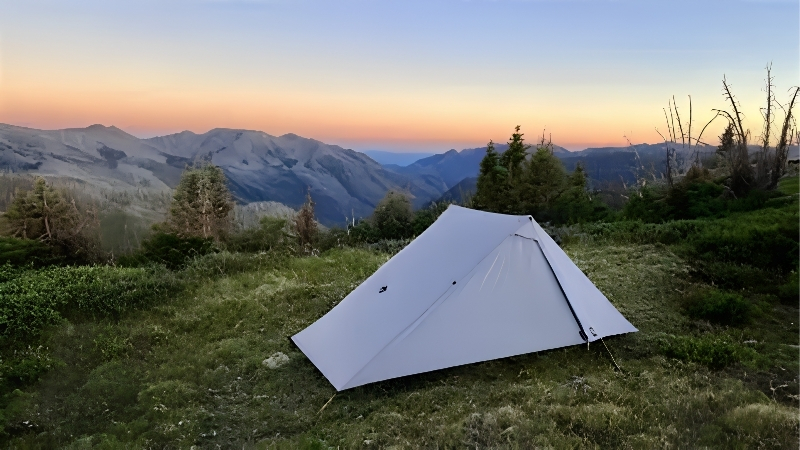
Think in Complete Systems
A lightweight shelter is more than the canopy. Count the stakes, guylines, footprint, bug net and trekking poles the shelter needs, since a light tent with heavy accessories is not truly light. Weigh the whole system, and trim each part, to hit a genuinely low shelter weight.
Match the system to your trips. A trekking-pole tent uses poles you already carry, a tarp needs stakes and cord, and a hammock needs suspension, tarp and underquilt. Tallying every component reveals the real weight and cost, so you optimize the system rather than fixating on the shelter alone.
Choose Your Shelter Type
The lightest system depends on the type. Dyneema trekking-pole tents offer enclosed comfort near a pound, flat tarps go lighter but exposed, bivies shelter one minimally, and ultralight hammock kits suit forests. Each reaches low weight differently, so pick the type that fits your terrain and comfort needs.
Match the type to your priorities. Enclosed comfort favors a trekking-pole tent, the lowest weight favors a tarp or bivy, and forested terrain favors a hammock. Deciding how much protection and enclosure you need, versus how few ounces you want to carry, narrows the lightweight options quickly.
Weigh Materials and Trade-Offs
Ultralight materials cut weight at a cost. Dyneema is the lightest, strongest and non-sagging, but pricey and puncturable, while silpoly and silnylon save money at some weight or wet stretch. Thinner fabrics and single-wall designs shave ounces but need more care and manage condensation less well.
Match materials to budget and durability needs. Weight-obsessed hikers who handle gear carefully choose Dyneema, while value-focused ones accept a bit more weight in silpoly. Accept that the lightest systems trade durability, condensation control and comfort for weight, and decide which trade-offs you will live with.
Optimize Every Component
Beyond the shelter, trim the system: titanium or carbon stakes, minimal Dyneema cord, and skipping a footprint by choosing sites carefully all cut ounces. Using trekking poles you already carry for a tent or tarp turns dedicated poles into zero added weight, a core ultralight move.
Match optimization to your risk tolerance. Dropping a footprint or carrying fewer stakes saves weight but demands care and good sites. Optimizing every component, not just the shelter, is how ultralighters reach very low system weights, so weigh each accessory and cut what your trips do not require.
Top Lightweight Shelter Systems for 2026
These six span ultralight tents to tarps, hammocks and bivies. These lightweight shelter systems are highlighted in the table, then broken down by who each suits and its honest drawbacks.
| System | Type | Weight | Best For | Price Tier |
|---|---|---|---|---|
| Zpacks Duplex | Trekking-pole tent | ~1 lb 3 oz | Ultralight comfort | Premium |
| Durston X-Mid 2 | Trekking-pole tent | ~2 lb | Value ultralight | Mid |
| Zpacks Plex Solo | Trekking-pole tent | ~1 lb 13 oz | Solo ultralight | Premium |
| Zpacks Flat Tarp | Tarp | ~6 oz | Minimalist weight | Premium |
| Kammok Mantis UL | Hammock kit | ~2 lb 7 oz | Ultralight hammock | Premium |
| Outdoor Research Helium Bivy | Bivy | ~17 oz | Solo fast-and-light | Premium |
Zpacks Duplex — Best Ultralight Comfort
The Duplex is the ultralight system benchmark. At about a pound and three ounces it uses Dyneema and your trekking poles to create a roomy two-person shelter with two doors and vestibules, offering enclosed comfort at a weight tarps struggle to match. For ultralight hikers who still want a real tent, it leads.
It is expensive, single-wall condensation can be an issue, and it needs a careful pitch on decent ground. For disciplined ultralighters who want the lowest livable two-person weight with genuine enclosure, though, it is exceptional, and using trekking poles keeps its true system weight remarkably low.
Durston X-Mid 2 — Best Value Ultralight
The X-Mid 2 is the value path to a light system. At about two pounds it uses your poles and a rare double-wall design for condensation control, at a price far below Dyneema shelters, with two doors. For hikers who want a light, enclosed system without a premium budget, it is the standout value.
It needs stakes, poles and a taut pitch on soil, and it is heavier than Dyneema tents. For those who want low system weight, double-wall comfort and two doors at a mid price, though, it makes the strongest value case among lightweight shelter systems and suits hikers building a light kit affordably.
Zpacks Plex Solo — Best Solo Ultralight
The Plex Solo is the featherweight solo system. At around a pound and thirteen ounces it uses Dyneema and a single trekking pole to create a light, weatherproof one-person shelter beloved by thru-hikers. For solo ultralighters who want an enclosed shelter at minimal weight, it is a standout system.
It is expensive, single-wall condensation can be an issue, and it needs a careful pitch. For solo hikers who prize the lowest weight with real enclosure and handle Dyneema carefully, though, it is a superb, weatherproof system and a favorite for long-distance trips where every ounce counts.
Zpacks Flat Tarp — Best Minimalist Weight
The Zpacks Flat Tarp is the minimalist’s lightest system. Made from Dyneema, it offers full-size coverage that does not sag when wet at just a few ounces, pitching many ways with your poles and cord. For ultralighters who want the absolute lowest shelter weight, it is the featherweight choice.
It is expensive, offers no bug or floor protection, and demands skill to pitch in weather. For experienced ultralighters comfortable with an open shelter who want the lowest possible weight, though, it is best-in-class, often paired with a light bivy or bug net to complete a minimalist system.
Kammok Mantis UL — Best Ultralight Hammock
The Mantis UL is the lightest complete hammock system here. At around two and a half pounds it integrates the hammock, bug net, rainfly and suspension into one impressively light, comfortable package. For forested ultralight trips where you want off the ground, it is the standout all-in-one system.
It needs trees and benefits from a separate underquilt for cold nights, adding weight. For weight-conscious hammockers who hike in reliable forest and want a light, ready-to-hang system rather than piecing parts together, though, its weight-to-performance ratio makes it the class leader in ultralight hammock kits.
Outdoor Research Helium Bivy — Best Solo Fast-and-Light
The Helium Bivy is the minimalist solo cocoon. This fully waterproof, breathable bivy with real headroom and a bug screen shelters one hiker at around a pound and packs tiny, ideal for fast solo missions and alpine bivies. For ultralighters who want a weatherproof shelter with no poles, it is superb.
It offers little living space and can feel confining in prolonged storms. For solo hikers and climbers who want a light, weatherproof shelter for fast trips and do not need room to move, though, it is a durable, packable system that pairs well with a tarp for extra coverage in bad weather.
What Lightweight Shelters Cost in 2026
Ultralight shelters span mid to premium, so pricing deserves a look. A couple of current market forces affect what these cost and when to buy, without changing how you build the system.
Premium Materials Hold Pricing
Ultralight shelters use imported Dyneema and technical fabrics under tariffs that remain in place, and cottage makers run thin margins. Brands have called future pricing a moving target, so buying a lightweight system you want beats waiting indefinitely for a discount this year.
The picture is uneven. Premium Dyneema and cottage shelters have largely held pricing, while mainstream lightweight tents see more discounting. Value buyers should watch the Durston X-Mid and mainstream ultralight tents for closeouts, and treat Dyneema systems as fixed investments.
Order Cottage Gear Early
Cottage ultralight brands often build to order, so lead times stretch before hiking season. Ordering months ahead gets your system in hand with time to practice pitching it, rather than waiting weeks before a start date. For these, availability matters more than a holiday markdown.
Mainstream ultralight tents follow the usual calendar, with Prime Big Deal Days in early October and Black Friday in late November. Cottage Dyneema gear rarely discounts deeply, so buying when in stock beats waiting for a sale that may not come before your trip.
Invest Where Weight Is Dearest
The best value is spending on the shelter, where weight savings are dearest, and optimizing cheap components like stakes and cord too. A lighter shelter delivers the biggest base-weight drop, so it justifies the spend, while trimming accessories adds free ounces of savings on top.
If a specific ultralight shelter is prone to selling out, order early rather than gambling on stock. Missing the right shelter before a trip means carrying more weight, so decide your system type, invest in the light shelter, optimize every component, and build the lightest kit for your trips.
Frequently Asked Questions
These are the questions hikers ask most about lightweight shelters.
What are the lightest lightweight shelter systems?
Dyneema tarps and trekking-pole tents lead the lightweight shelter systems category, with flat tarps at a few ounces and Dyneema tents just over a pound. Bivies run around a pound, and ultralight hammock kits a bit more. The lightest options trade comfort and protection for weight.
Do trekking-pole shelters really save weight?
Yes, if you already carry trekking poles. By using your hiking poles instead of dedicated tent poles, a trekking-pole tent or tarp cuts real weight from the system. If you do not use poles, you must add their weight, which reduces the savings versus a freestanding tent.
Is Dyneema worth the cost for a light system?
For weight-obsessed hikers who handle gear carefully, often yes. Dyneema is the lightest, strongest, non-sagging material, shedding ounces no nylon matches, but it is expensive and puncturable. For occasional trips, a silpoly or silnylon shelter delivers most of the weight savings for far less money.
How do I lighten my whole shelter system?
Optimize every component, not just the canopy. Use trekking poles you already carry, switch to titanium or carbon stakes, minimal Dyneema cord, and skip a footprint by choosing sites carefully. Weighing and trimming each part of the system is how ultralighters reach very low total shelter weights.
See More:
- Best hiking backpack
- Best backpacking backpack
- Ultralight hiking backpack
- Best hydration backpack
- Best hiking backpack for women
Final Thoughts
Building lightweight shelter systems means optimizing the whole setup, not just the shelter. The Zpacks Duplex leads for ultralight comfort, the Durston X-Mid 2 for value, and a flat tarp or bivy for minimalist weight. Choose the type that fits your terrain, invest where weight is dearest, and trim every component to build the lightest kit for your trips.





Write Your Review
No reviews yet. Be the first to share your experience!