
Key takeaways
Camping shelter comparison is the big-picture decision behind every trip: tent, tarp, hammock, bivy or rooftop tent. Each wins in different conditions. This guide compares the types by weight, weather, comfort and cost, with a pick for each.
As an Amazon Associate we earn from qualifying purchases.
Our top picks


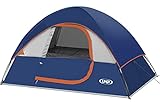
 Coleman Sundome Camping Tent with Rainfly
- Product Group: Outdoors
- Binding: Sports
As an Amazon Associate we earn from qualifying purchases at no extra cost to you. Ratings are shown as listed on Amazon.
By Jake Thompson
How to Use This Camping Shelter Comparison
The core of any camping shelter comparison is weighing the types, tent, tarp, hammock, bivy and rooftop tent, against weight, weather protection, comfort and cost. Each excels somewhere and compromises elsewhere, so understanding the trade-offs is what leads you to the right shelter for how you camp.
Compare Weight and Packability
Weight ranges enormously across types. Tarps and bivies are lightest, ultralight tents and hammock kits sit in the middle, family tents are heavy but you carry them only to the car, and rooftop tents stay on the vehicle. Match weight to whether you backpack, car camp or overland.
Packability matters for backpackers, where a tarp or Dyneema tent packs tiny, while car campers and overlanders ignore weight entirely. Deciding how you travel to camp, on foot or by vehicle, immediately narrows the comparison, since weight is decisive for hikers and irrelevant for drivers.
Weigh Weather Protection
Weather protection varies by type. Tents offer the most all-around protection, rooftop tents add a dry off-ground platform, bivies are weatherproof but minimal, hammocks need a tarp and underquilt, and open tarps shelter well only when pitched skillfully. Match protection to the conditions you face.
Storm-prone and winter trips reward a sturdy tent or a four-season shelter, while fair-weather outings open up tarps and bivies. A shelter that fails in your conditions is no bargain, so weight weather protection heavily if you camp in wind, rain or cold rather than only calm summer nights.
Balance Comfort and Setup
Comfort and setup differ sharply. Family and rooftop tents offer the most space and comfort, hammocks can be superbly comfortable in forest, ultralight tents balance both, and tarps and bivies trade comfort for weight. Setup ranges from a one-minute rooftop pop-up to a fiddly tarp pitch.
Match comfort and setup to your priorities. Those who spend time in camp or camp with family want space and easy setup, while ounce-counters accept minimal comfort and a practiced pitch. Deciding how much comfort and convenience you need guides the comparison toward the right shelter type.
Factor In Cost and Use
Cost spans cheap tarps to expensive rooftop tents and premium ultralight shelters. Match the spend to your use: backpackers invest in light tents, families in roomy car-camping tents, overlanders in rooftop tents, and minimalists in cheap tarps or bivies. Your camping style sets where the money goes.
Match cost to how often and how you camp. Frequent campers justify premium shelters that last and perform, while occasional ones save with simpler options. The right shelter is the one whose weight, protection, comfort and price fit your trips, not the lightest, cheapest or most luxurious in isolation.
Top Picks in This Camping Shelter Comparison
These six represent the main shelter types, one strong pick each. This camping shelter comparison highlights them in the table, then breaks down who each suits and its honest drawbacks.
| Shelter | Type | Best For | Price Tier |
|---|---|---|---|
| Big Agnes Copper Spur HV UL2 | Backpacking tent | All-around backpacking | Premium |
| The North Face Wawona 6 | Family tent | Car camping comfort | Premium |
| Warbonnet Blackbird | Hammock | Forest camping | Premium |
| Zpacks Flat Tarp | Tarp | Ultralight minimalism | Premium |
| Outdoor Research Helium Bivy | Bivy | Fast-and-light solo | Premium |
| iKamper Skycamp 3.0 Mini | Rooftop tent | Overlanding | Premium |
Big Agnes Copper Spur HV UL2 — Best All-Around Backpacking
The Copper Spur HV UL2 represents the do-everything backpacking tent. At about three pounds it pitches anywhere, offers two doors, two vestibules and roomy livability, and balances protection, comfort and weight better than any other type for most hikers. In this comparison, it is the versatile default.
Its thin floor needs care and it is pricier and heavier than tarps or bivies. For backpackers who want full weather protection, room to wait out storms and an easy pitch, though, it shows why the tent remains the most popular shelter type and the safe starting point in any comparison.
The North Face Wawona 6 — Best Car Camping Comfort
The Wawona 6 represents the family car-camping tent. With a roomy interior, huge vestibule, near-vertical walls and durable materials, it delivers the most comfortable space of any type when weight does not matter. For families and groups who drive to camp, it is the comparison’s comfort champion.
It is heavy and tall, catching wind, and pitches best with two people, strictly a car-camping shelter. For campers who value maximum living space and durability over portability, though, it shows how the tent type scales up to genuine comfort when you are not carrying it far from the vehicle.
Warbonnet Blackbird — Best Forest Camping
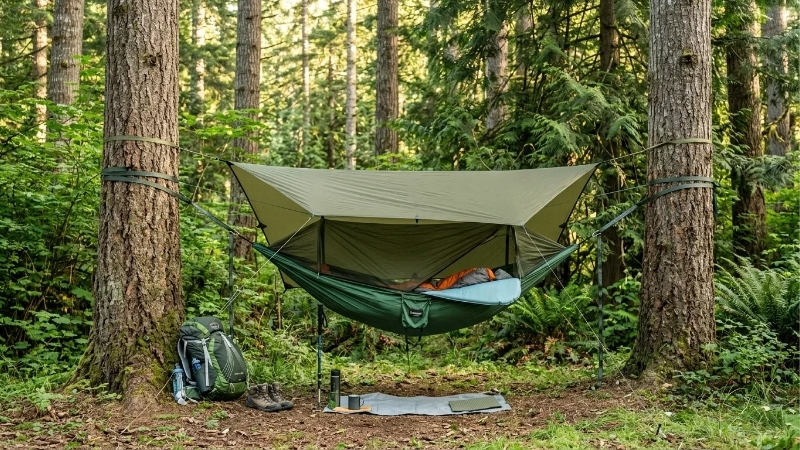
The Blackbird represents the hammock. This comfortable gathered-end hammock with an integrated bug net and gear shelf gets you off rocky, wet or uneven ground where tents struggle, offering a superb forest sleep. In this comparison, it is the answer for wooded terrain and those who dislike the ground.
It needs trees, a tarp and an underquilt for a complete, warm system, adding cost and weight. For campers who hike where trees are reliable and want to escape poor ground, though, it shows how the hammock type wins in forest, offering comfort no ground shelter matches on rough sites.
Zpacks Flat Tarp — Best Ultralight Minimalism
The Zpacks Flat Tarp represents the tarp. Made from Dyneema, it offers full-size coverage that does not sag when wet at just a few ounces, pitching many ways. In this comparison, it is the lightest, most versatile shelter for experienced hikers who want minimal weight and maximum adaptability.
It is expensive, offers no bug or floor protection, and demands skill to pitch in weather. For ultralighters comfortable with an open shelter who want the lowest weight, though, it shows how the tarp type reaches weights no tent can match, at the cost of enclosure and ease of use.
Outdoor Research Helium Bivy — Best Fast-and-Light Solo
The Helium Bivy represents the bivy. This fully waterproof, breathable cocoon with a bug screen shelters one hiker at around a pound and packs tiny, ideal for fast solo missions and alpine bivies. In this comparison, it is the minimalist weatherproof shelter for soloists who need no room to move.
It offers little living space and feels confining in prolonged storms. For solo hikers and climbers who want a light, weatherproof shelter for fast trips, though, it shows how the bivy type delivers weather protection at minimal weight and bulk, trading all living space for portability and simplicity.
iKamper Skycamp 3.0 Mini — Best Overlanding
The Skycamp 3.0 Mini represents the rooftop tent. This hardshell pops up in about a minute atop your vehicle, sleeps two off the ground on a comfortable mattress, and handles four seasons with an insulated shell. In this comparison, it is the answer for overlanders who camp from their rig.
It is expensive, needs a rated roof rack, and only works where you can drive. For campers who explore by vehicle and want a fast, comfortable, off-ground basecamp, though, it shows how the rooftop tent type offers convenience and comfort no ground or backpacking shelter can match at a campsite you drive to.
What Camping Shelters Cost in 2026
Shelters span cheap tarps to premium rooftop tents, so pricing varies widely. A couple of current market forces affect what these cost and when to buy, without changing which type fits your trips.
Tariffs Pressure Materials
All shelter types use imported fabrics, and tents and rooftop tents use aluminum and composites under tariffs that remain in place. Brands have described future pricing as a moving target, so committing to the type you want, rather than waiting indefinitely, is a reasonable call this year.
The effect is uneven. Premium ultralight, four-season and rooftop shelters have largely held pricing, while mainstream tents see more discounting. Value buyers should watch mainstream tents for closeouts, and treat Dyneema and rooftop shelters as fixed investments across this comparison.
Buy Ahead of Season
Whatever type you choose, buying ahead of camping season secures the model and lets you practice setup. Fall sale events like Prime Big Deal Days in early October and Black Friday in late November bring the deepest discounts on mainstream tents and some rooftop tents.
Cottage ultralight and premium rooftop shelters rarely discount deeply and can have lead times, so for those, availability matters more than a markdown. Mainstream tents regularly drop during fall events, so patience often pays off on the tent side of a camping shelter comparison.
Match the Shelter to How You Camp
The best value is the type that fits how you camp: a backpacking tent, a roomy family tent, a forest hammock, a minimalist tarp or bivy, or a rooftop tent for overlanding. Buying the wrong type for your travel style wastes money, so match the shelter to whether you hike, car camp or drive off-road.
If a specific shelter is prone to selling out, buy early rather than gambling on peak-season stock. Missing the right shelter before a trip means settling, so use this comparison to pick your type, then lock in the model whose weight, protection, comfort and price fit your trips.
Frequently Asked Questions
These are the questions campers ask most when comparing shelters.
What does this camping shelter comparison recommend for most people?
A backpacking tent for hikers and a family tent for car campers. This camping shelter comparison rates the tent the most versatile type for its balance of protection, comfort and ease, while hammocks, tarps, bivies and rooftop tents win for specific terrain, weight goals or vehicle-based camping.
Which shelter type is lightest?
Tarps and bivies. A Dyneema flat tarp weighs just a few ounces and a bivy around a pound, versus three pounds or more for a comfortable tent. The lightest types trade comfort, enclosure and ease of use for weight, so they suit experienced ultralighters over beginners or comfort-seekers.
Is a hammock better than a tent?
In forested, uneven terrain, often yes, since it gets you off poor ground comfortably. But it needs trees plus a tarp and underquilt for a warm system, and fails in treeless or alpine terrain. A tent is more versatile overall, so the answer depends entirely on where you camp.
Are rooftop tents worth it versus a ground tent?
For frequent overlanders who camp from a vehicle, often yes, since they set up fast and get you off the ground comfortably. For backpackers or occasional campers, a ground tent costs far less and travels anywhere. Match the choice to whether you camp by vehicle or on foot.
See More:
- Best hiking backpack
- Best backpacking backpack
- Ultralight hiking backpack
- Best hydration backpack
- Best hiking backpack for women
Final Thoughts
A camping shelter comparison comes down to matching a type to how you camp. The Copper Spur HV UL2 leads all-around backpacking, the Wawona 6 wins car-camping comfort, a hammock suits forests, a tarp or bivy the ultralighter, and the iKamper Skycamp overlanding. Weigh weight, weather, comfort and cost against your trips, and the right shelter becomes clear.





Write Your Review
No reviews yet. Be the first to share your experience!