Shelter gear guide shoppers face a maze of tents, tarps, hammocks, and bivies, so this rundown cuts through it with the best shelter types for 2026. We compare real weights, weather protection, and trail use across categories so you can match the right shelter system to your terrain, climate, and pack.
As an Amazon Associate we earn from qualifying purchases.
Our top picks


As an Amazon Associate we earn from qualifying purchases at no extra cost to you.
By Jake Thompson
How to Use This Shelter Gear Guide
Picking a shelter starts with how and where you camp, not with a single “best” product. This shelter gear guide sorts options by protection level, weight, and setup so you can weigh full-coverage comfort against ultralight simplicity before you buy.
Protection vs. Weight
Every shelter trades coverage for grams. A double-wall tent seals out bugs and weather but weighs the most, a tarp sheds rain at a fraction of the weight, and a bivy adds a thin waterproof layer with almost no bulk at all.
Decide how much weather you truly face. Alpine storms and bug season reward a full tent, while dry summer trails let you drop to a tarp or bivy. The lightest shelter you will still sleep well under is the right one.
Setup, Terrain, and Skill
Some shelters forgive beginners; others demand practice. Freestanding tents pitch anywhere in minutes, tarps and trekking-pole shelters need firm ground and technique, and hammocks require the right spacing of healthy trees to hang safely and comfortably.
Read your terrain before committing. Rocky alpine sites favor freestanding tents, forested trails suit hammocks, and open desert rewards a staked tarp or bivy. Buying against your usual ground is the most common shelter mistake hikers make.
Condensation and Ventilation
Single-wall shelters and closed bivies can trap moisture, leaving you damp by morning. Double-wall tents manage condensation best, while tarps breathe freely but expose you to blowing rain. Ventilation and site choice matter as much as fabric here.
If you camp in humid or cold conditions, prioritize airflow and a design that keeps you off wet walls. A shelter that sleeps dry in your climate beats a lighter one that leaves your bag soaked at dawn.
Top Picks: Shelter Types Compared
The core of this shelter gear guide is the shortlist below, with one strong pick per shelter category. The table gives a quick overview; the write-ups explain who each option suits and the real compromise that comes with each style.
| Shelter | Type | Weight | Protection | Best For |
|---|---|---|---|---|
| Big Agnes Copper Spur HV UL2 | Double-wall tent | ~3 lb | Full | All-round comfort |
| Durston X-Mid 2 | Trekking-pole tent | ~1 lb 15 oz | Full | Lightweight value |
| MSR Front Range | Tarp shelter | ~26 oz (4P) | Roof only | Group ultralight |
| ENO DoubleNest | Hammock | ~1 lb 3 oz | None (add tarp) | Forest camps |
| Outdoor Research Bivy | Bivy sack | ~1 lb | Minimal | Fast-and-light |
| SOL Emergency Bivy | Emergency shelter | A few ounces | Backup | Safety kit |
Big Agnes Copper Spur HV UL2
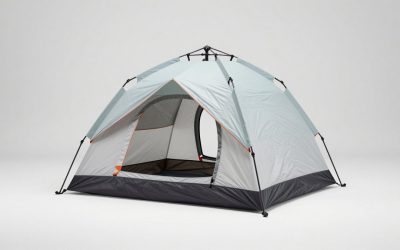
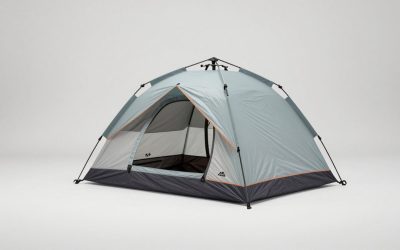
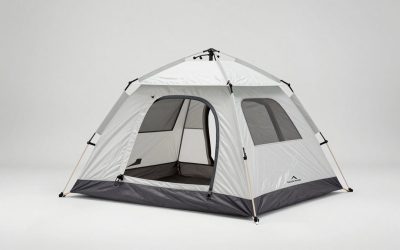
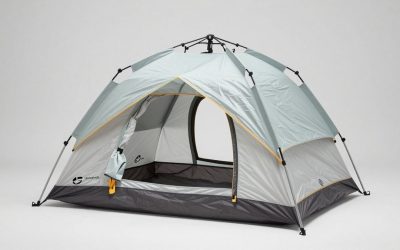
For full-coverage comfort, the Copper Spur is the benchmark double-wall tent, about 3 lb with two doors, steep walls, and roughly 29 sq ft of floor. DAC poles and HyperBead fabric give a quick, go-anywhere pitch that handles bugs and weather with ease.
Thin fabrics reward a footprint and careful handling, and it costs more than heavier tents. But as the do-everything anchor of a shelter system, it delivers the most reliable, livable protection for two across three seasons.
Durston X-Mid 2
The X-Mid 2 is the value featherweight, near 1 lb 15 oz using trekking poles and 15D silpoly that resists sag. Its offset geometry delivers real headroom, two doors, and two vestibules, plus storm-worthy performance that punches above its modest price.
It needs trekking poles, firm ground, and careful staking, so rocky platforms are tricky, and single-wall condensation needs managing. For hikers who want tent-level coverage at a fraction of premium weight, it is a standout in any shelter gear guide.
MSR Front Range Tarp Shelter
The Front Range is a pyramid tarp near 26 oz that sleeps up to four, pitched with trekking or ski poles and six included Groundhog stakes. Its Xtreme Shield coating and roomy shape make a featherweight group shelter or a spacious dining hall.
It is floorless and single-wall, so bugs, ground moisture, and condensation require an insert or careful siting. For fast alpine missions and ski traverses where weight per person matters most, though, its coverage-to-weight ratio is outstanding.
ENO DoubleNest Hammock
The DoubleNest is the best all-around camping hammock, about 1 lb 3 oz of 70D nylon with a 400-lb capacity that packs to grapefruit size. In forested terrain it sleeps you off wet, rocky, or sloped ground that would defeat a tent.
It needs two healthy trees, straps sold separately, and a tarp plus bug net for real weather protection, which adds weight and cost. As a warm-season forest shelter, though, few options are as comfortable or as packable.
Outdoor Research Bivy Sack
A bivy is the fast-and-light minimalist’s shelter, roughly a pound of waterproof-breathable fabric that slips over your sleeping bag. It pitches instantly anywhere, hides in tight spots, and adds crucial warmth and weather resistance with almost no bulk.
Space is coffin-tight, condensation can build inside, and riding out a long storm feels claustrophobic. For alpine starts, ridge bivies, and ounce-counting solo trips in fair weather, though, nothing is simpler or quicker to deploy.
SOL Emergency Bivy
Every shelter gear guide should include a backup, and the SOL Emergency Bivy is the classic. Packing to a few ounces, its heat-reflective interior traps body warmth in an unplanned night out, making it essential safety insurance in any pack.
It is a survival tool, not a comfortable bed: the material is thin, noisy, and single-use in practice. But as a cheap, featherweight hedge against a twisted ankle or missed exit, it belongs in every hiker’s kit year-round.
Tariffs and Timing for Shelter Buyers in 2026
Across this shelter gear guide, 2026 pricing is shaped by trade policy and the calendar as much as by design. Metal poles and stakes feel tariff pressure, and seasonal windows create clear chances to buy shelter gear at a discount.
Metal Tariffs and Pole Costs
Section 232 steel-and-aluminum tariffs (around 50%) remain in force and untouched by this year’s other rulings. Tents, tarps, and hammock hardware rely on aluminum poles, stakes, and carabiners, so those duties push component costs steadily upward.
The lesson is to buy metal-dependent shelters when stock and pricing align, rather than betting on a dip. Brands say future pricing is hard to predict, so a fair price on the shelter you want is worth locking in.
A Split Market and Closeouts
The 2026 market is bifurcated: premium brands raise prices using their pricing power, while mid-tier makers pass costs straight to buyers. That squeezes value shoppers, but it also creates opportunity in the gap between the tiers.
Retailers are clearing pre-tariff inventory through late 2026, so closeout deals cluster on last season’s tents, tarps, and hammocks. A previous-year colorway performs identically, making these markdowns the reliable way to save on shelter gear.
Seasonal Timing
Timing rewards planning. Late August into September offers pre-sale pricing with full stock, while Amazon’s fall Prime event, expected in early October, is a strong window to grab shelters and accessories before the holiday rush.
For the deepest cuts, Black Friday and Cyber Monday in late November remain the year’s low point. Build a shortlist now, and buy at the start of a sale so a must-have shelter does not sell out mid-event.
Frequently Asked Questions
A few questions come up often as hikers work through a shelter gear guide. Here are quick answers to help you settle on the right shelter system.
Tent, tarp, or hammock: which is best?
It depends on terrain and weather. Tents offer the most coverage, tarps save the most weight, and hammocks excel in forests off rough ground. Many hikers own more than one and choose by trip rather than forcing a single system.
Is a bivy enough on its own?
In fair weather and open terrain, yes, for minimalists. In sustained rain or bug season it feels cramped and damp, so pairing a bivy with a tarp adds livable space. On its own it shines for fast, light, dry-weather trips.
Do I need a footprint for every shelter?
For floored tents on rough ground, a footprint protects the floor and blocks moisture. Tarps and bivies pitch over a groundsheet or bare ground instead. Match the ground protection to the shelter and the terrain you actually camp on.
What shelter is best for beginners?
A freestanding double-wall tent. It pitches anywhere in minutes, seals out weather and bugs, and forgives setup mistakes. Once you learn the basics, adding a tarp or hammock for specific trips becomes far easier and safer.
See More:
Final Thoughts
The takeaway from this shelter gear guide is that no single shelter wins everywhere. Choose a full tent for coverage, a tarp for group weight savings, a hammock for forests, and always carry an emergency bivy for safety. Match the system to your terrain and climate, and buy when stock and pricing line up, since tariff pressure on metal poles makes waiting on shelter gear a gamble in 2026.