
Winter shelter guide planning is serious business: cold-weather camping demands a shelter that handles snow load and howling wind, plus techniques to stay warm. This guide walks how to choose and manage a winter shelter and names six four-season picks.
As an Amazon Associate we earn from qualifying purchases.
Our top picks


As an Amazon Associate we earn from qualifying purchases at no extra cost to you.
By Jake Thompson
How to Use This Winter Shelter Guide
The core of any winter shelter guide is choosing a shelter strong enough for snow and wind, then managing snow, condensation and ground cold to stay warm. A three-season tent can fail dangerously in winter, so matching the shelter and your technique to the conditions is what keeps a cold trip safe.
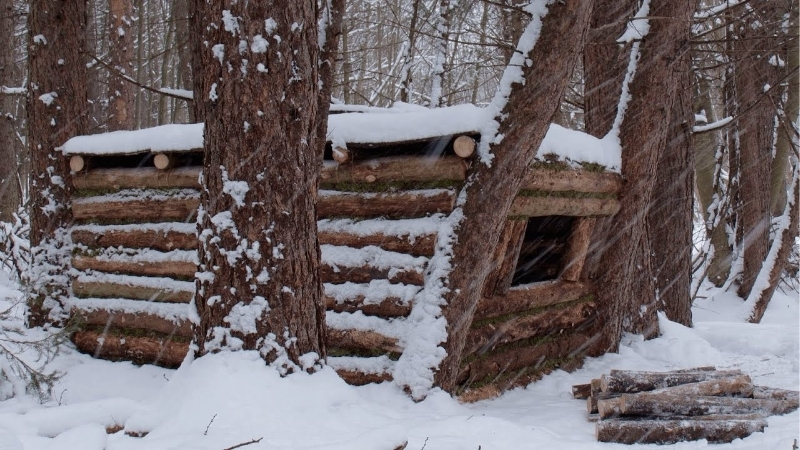
Match Shelter Strength to Terrain
Winter shelters range by terrain. Treeline tents handle winter camping below the peaks at lower weight, basecamp tents add room and ventilation for extended stays, and mountaineering tents prioritize storm resistance for exposed alpine objectives. Each suits a different level of winter exposure.
Match the shelter to where you go. Casual winter campers and ski tourers below treeline get the most from a lighter treeline tent, while alpine climbers facing extreme wind and snow need a burly basecamp or mountaineering shelter. Buying more than your terrain demands means carrying needless weight.
Demand Snow and Wind Strength
Winter shelters must handle snow load and high wind. Look for a four-pole dome, the strongest geometry, sturdy fabrics, and full-coverage flies that reach the ground to block spindrift. This structure is what keeps a shelter standing when snow piles up and wind hammers it through the night.
Match strength to your worst expected conditions, and never underbuild for the mountains you climb. Anchor the shelter well, using snow stakes, buried deadman anchors or skis, since normal stakes pull out of snow. A collapsed or shredded winter shelter is a genuine hazard, so prioritize storm strength.
Manage Snow and Condensation
Winter shelters seal tightly against cold, which traps moisture and frost, so ventilation is critical even when it feels counterintuitive. Use vents and crack a door to let breath and sweat escape, and brush off interior frost before it melts. Double-wall tents manage this better than single-wall designs.
Clear accumulating snow off the shelter through the night so its weight does not collapse the poles, and dig out a vestibule pit for gear and easier entry. Managing snow load and condensation is as important as the shelter’s strength, since both moisture and snow weight can turn a good night bad.
Insulate From the Snow
Cold ground and snow steal heat through conduction, so insulation beneath you is critical in winter. Use a high-R-value sleeping pad, often two pads stacked, since the ground robs far more heat in cold conditions than in summer. Without it, even the warmest bag leaves you cold on snow.
Pack down or level the snow platform before pitching, which firms the surface and improves comfort, and keep the shelter floor clear of snow that will melt. Insulating from the snow and building a solid platform are winter-specific skills that make the difference between a warm night and a shivering one.
Top Picks From This Winter Shelter Guide
These six span light treeline tents to burly mountaineering shelters. This winter shelter guide highlights each in the table, then breaks down who it suits and its honest drawbacks.
| Shelter | Type | Best For | Price Tier |
|---|---|---|---|
| MSR Access 2 | Treeline | Ski touring and light winter | Premium |
| NEMO Kunai 2 | Treeline | Budget crossover | Mid |
| MSR Remote 2 | Mountaineering | All-around value | Premium |
| The North Face Mountain 25 | Expedition | Value expedition-grade | Premium |
| Mountain Hardwear Trango 2 | Basecamp | Livable basecamp | Premium |
| Hilleberg Jannu | Mountaineering | Premium all-around | Premium |
MSR Access 2 — Best for Ski Touring and Light Winter
The Access 2 is the treeline winter pick. At just over four pounds it is a light double-wall four-season tent with better ventilation and livability than heavier models, ideal for ski touring and light winter trips below the peaks. For winter campers who value low weight, it leads this guide.
It is built for treeline rather than extreme high-altitude exposure, and it ships without enough stakes for the worst wind. For ski tourers and winter backpackers who want a livable, lightweight four-season shelter for below-treeline snow, though, it is an excellent, versatile choice.
NEMO Kunai 2 — Best Budget Crossover
The Kunai 2 is the value winter shelter. This lightweight treeline four-season tent balances affordability, versatility and durability, offering good livable space and weight savings for winter camping without extreme exposure. For newcomers to winter or budget-conscious campers, it is an exceptional value.
Like other treeline tents, it is not built for high-altitude storms, and its interior is trimmer than a basecamp tent. For winter campers and ski tourers who want a durable, affordable four-season shelter for below-treeline trips, though, its blend of value and capability is hard to beat in this guide.
MSR Remote 2 — Best All-Around Value
The Remote 2 is the mountaineering value pick. It offers genuine mountaineering geometry, excellent ventilation and real livability at a price short of top expedition tier, balancing storm protection, comfort and value for two-person alpine winter trips. For serious winter camping without top-tier cost, it excels.
At around seven pounds it is heavy, and its polyester fly is less tear-resistant than Hilleberg’s Kerlon. For winter campers who want serious storm protection with strong livability without paying the highest prices, though, it is the value sweet spot among the sturdier shelters in this guide.
The North Face Mountain 25 — Best Value Expedition-Grade
The Mountain 25 brings expedition pedigree at relative value. Proven for decades on the world’s highest peaks, its four-pole-plus-vestibule design delivers competitive storm strength to far pricier tents, making it a dependable, storm-ready shelter for demanding winter objectives. For pedigreed value, it stands out.
At around ten pounds it is heavy, its design is long-established, and it runs tight for two with gear. For winter campers and mountaineers who want legendary, expedition-grade storm protection without a four-figure price, though, it remains one of the best values in this winter shelter guide.
Mountain Hardwear Trango 2 — Best Livable Basecamp
The Trango 2 is the basecamp comfort pick. One of the most expedition-worthy four-season tents ever made, its four-pole dome delivers exceptional strength plus a roomy interior, tall peak, dual vestibules and abundant pockets. For extended winter basecamps where you wait out weather, its livability leads.
It is very heavy and expensive, and overkill for casual below-treeline camping. For winter campers and climbers who settle in at basecamp for days and want bombproof strength with genuine comfort and storage, though, it is one of the best shelters here, with the Trango 3 adding even more room.
Hilleberg Jannu — Best Premium All-Around
The Jannu is the premium winter benchmark. This double-wall four-season tent uses Hilleberg’s silicone-coated Kerlon fabric for outstanding tear strength and decades-long durability, earning top marks for storm resistance, versatility and construction across alpine and winter use. For the best-built shelter, it leads.
It is extremely expensive and heavier than treeline tents, a serious investment. For dedicated winter campers and mountaineers who want the most storm-worthy, durable double-wall shelter that lasts for decades, though, it is worth the price and sets the standard other winter shelters chase.
What Winter Shelters Cost in 2026
Winter shelters are premium gear, so pricing deserves a look. A couple of current market forces affect what these cost and when to buy, without changing the techniques in this guide.
Premium Materials Hold Pricing
Four-season shelters use imported technical fabrics and aluminum poles under tariffs that remain in place, and premium makers have largely held pricing rather than discounting. Brands have called future pricing a moving target, so buying a winter shelter you want beats waiting indefinitely.
These shelters rarely see steep markdowns, so waiting for a big sale seldom pays off. If a specific four-season tent fits your terrain, buying it, especially premium models with limited stock, is smarter than chasing a discount that may not come before your winter season.
Buy and Practice Ahead of Winter
Buy a winter shelter well ahead of the season so you can practice pitching it, ideally with gloves in cold and wind, before a real trip. Fall sale events like Prime Big Deal Days in early October and Black Friday in late November offer the modest discounts these shelters see.
Setup in a storm is far harder than in the backyard, so rehearsing is worth more than any saving. Practice anchoring in snow, using deadman anchors and snow stakes, and clearing snow load, so nothing about the shelter is unfamiliar when conditions turn harsh on the mountain.
Never Underbuild for Winter
A winter shelter is safety gear, so buy the strength your terrain demands rather than the cheapest option. A treeline tent taken into high-altitude storms, or an underbuilt shelter in serious wind, is a genuine hazard. Match the shelter to your worst expected conditions without compromise.
If a specific model is prone to selling out before winter, buy early rather than gambling on stock. Missing the right shelter before a cold trip can be dangerous, so match strength to terrain, practice your setup, and pair the shelter with snow anchors and a high-R-value pad for a safe system.
Frequently Asked Questions
These are the questions campers ask most about winter shelters.
What does a winter shelter guide say I need for cold camping?
A four-season shelter matched to your terrain, plus snow anchors and a high-R-value pad. A good winter shelter guide stresses that three-season tents fail under snow load and wind, so you need the pole strength and fabric coverage of a four-season tent, scaled from treeline to mountaineering by exposure.
Can I use a three-season tent in winter?
Not safely in real winter. Three-season tents lack the pole strength and fabric coverage for snow load and high wind, so they can collapse or shred. Light, unexpected snow may be survivable, but regular winter or alpine camping needs a four-season shelter built for those conditions.
How do I anchor a shelter in snow?
Use snow stakes, buried deadman anchors, or skis and poles, since normal stakes pull straight out of snow. Wide snow stakes and buried objects packed with snow hold fast as the snow sets. Anchoring securely is essential, since wind can otherwise tear a winter shelter loose.
Why am I cold even in a good winter tent?
Usually insufficient insulation from the ground. Snow and cold ground steal heat through conduction, so you need a high-R-value pad, often two stacked, beneath you. Even the warmest bag and sturdiest shelter leave you cold on snow without enough insulation underneath to block that heat loss.
See More:
- Best hiking backpack
- Best backpacking backpack
- Ultralight hiking backpack
- Best hydration backpack
- Best hiking backpack for women
Final Thoughts
A winter shelter guide comes down to matching a four-season shelter to your terrain and managing snow, condensation and ground cold. The MSR Access 2 leads for ski touring, the Trango 2 for livable basecamps, and the Hilleberg Jannu for durability. Buy the strength your mountains demand, anchor in snow, insulate from the ground, and you will stay safe through cold nights.


Write Your Review
No reviews yet. Be the first to share your experience!