
Key takeaways
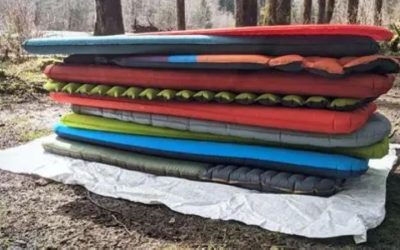
Finding the sleeping pad best suited to your trips means balancing warmth, weight, thickness, and comfort so cold ground never wrecks your rest. This guide compares six tested 2026 pads on R-value, packed weight, and support, from ultralight air pads to cushy side-sleeper platforms and bombproof foam, so you can match one to your body and your season.
As an Amazon Associate we earn from qualifying purchases.
Our top picks



As an Amazon Associate we earn from qualifying purchases at no extra cost to you.
🛒 Best Price Today on Amazon
Prime members get fast, free shipping on everything above, plus member-only deals. New members get a 30-day free trial — cancel anytime.
Start 30-Day Prime Free Trial →See Today’s Amazon DealsHow to Choose Which Sleeping Pad Best Fits You
The sleeping pad best matched to your needs depends on temperature, sleep style, and how far you carry it. Before comparing models, weigh four levers that shape a good night out: R-value warmth, weight and packed size, thickness and support, and durability. Get these right and the ground stops stealing your sleep.
R-Value and Warmth
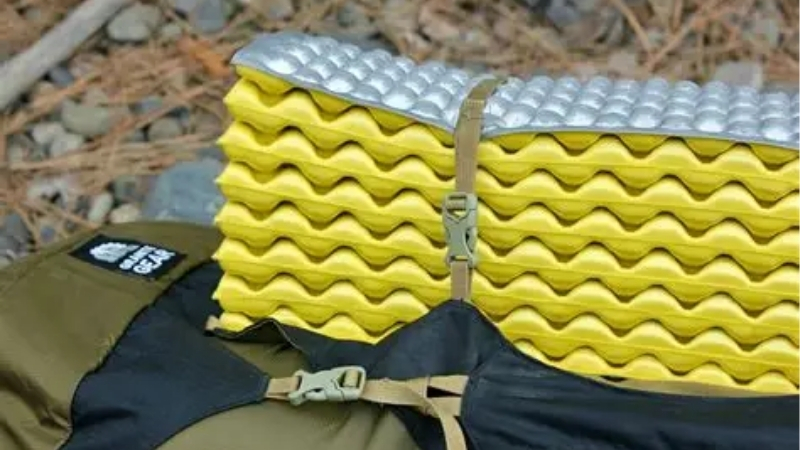
R-value measures how well a pad resists heat loss to the ground, and it is now standardized so brands are comparable. Values between 4.5 and 5.5 hit the sweet spot for three-season backpacking and even mild winter nights at elevation.
For dedicated cold-weather trips below freezing, look higher, toward R-6 and up. You can also stack a foam pad under an air pad to boost warmth without buying a second inflatable.
Weight and Packed Size
For backpacking, every ounce and every liter counts, so weight and packed size drive many decisions. Premium ultralight air pads land near 13 to 14 ounces in a regular size while still packing down to roughly the size of a water bottle.
Heavier, thicker pads add comfort for car camping and base camps where pack space is not a concern. Match the weight class to your trip style rather than defaulting to the lightest possible option.
Thickness and Support
Thickness governs how well a pad keeps hips and shoulders off the ground, which matters most for side sleepers. Pads near three and a half to four inches let you dial firmness and rarely bottom out under pressure points.
Baffle design shapes support too, with air-sprung cells and box baffles cradling the body more evenly than simple horizontal tubes. Thinner ultralight pads save weight but demand flatter, cleaner tent sites.
Durability and Valves
A pad that punctures easily or deflates overnight ruins a trip, so build quality earns attention. Higher-denier fabrics resist abrasion better, and some designs add divots that diffuse pressure to reduce puncture risk.
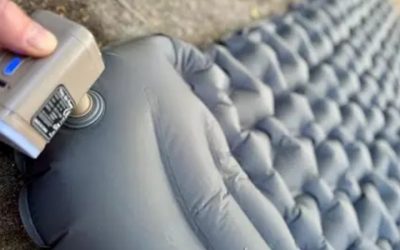
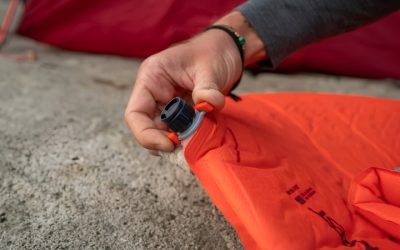
Dual valves that separate inflation from deflation speed setup and let you fine-tune firmness fast. A bundled pump sack keeps moisture out of the pad and saves your breath at altitude.
Buying a Sleeping Pad in 2026: Prices and Timing
Beyond specs, timing affects which sleeping pad best fits your budget in 2026. Technical fabrics and insulation have seen cost pressure this year, and seasonal sales cycles swing prices, so a little planning pays off at checkout.
Tariffs and Material Costs
Outdoor gear makers reported broad input-cost increases this year, with technical nylons and synthetic insulation among materials seeing roughly ten to fifteen percent higher costs. Brands have described some new prices as estimates subject to change.
That means premium ultralight pads are unlikely to get cheaper at full retail. When a pad you want appears at a fair price, grabbing it can beat waiting for a discount that may never undercut a rising baseline.
Seasonal Timing
Sleeping pads see the widest selection heading into spring and summer as the camping season ramps up. Shoulder-season and end-of-year clearance often bring the steepest markdowns, though popular sizes sell through first.
Major sales windows, including October’s Prime Big Deal Days and the late-November Black Friday and Cyber Monday stretch, typically deliver the year’s best pad discounts.
Buy Early for Big Trips
If a trip is on the calendar, buy your pad well ahead so you can test it at home before committing in the backcountry. Sleeping on it a few nights reveals whether the firmness and length suit you.
Early buying also protects you from thin stock right before peak season, when the exact size and R-value you want can vanish for weeks at a time.
Top Picks: The Sleeping Pad Best Options Reviewed
These six choices reflect which sleeping pad best suits different sleepers, spanning ultralight three-season air pads, plush side-sleeper platforms, and budget-friendly foam. The table offers a quick overview, then each review below covers who it fits and the trade-offs to weigh.
| Model | Type | R-Value | Best For | Price Tier |
|---|---|---|---|---|
| NEMO Tensor All-Season | Insulated air | ~5.4 | Quiet all-rounder | Premium |
| Therm-a-Rest NeoAir XLite NXT | Insulated air | ~4.5 | Ultralight three-season | Premium |
| Sea to Summit Ether Light XR | Insulated air | ~4.1 | Side sleepers | Premium |
| Big Agnes Rapide SL | Insulated air | ~4.8 | Comfort value | Mid |
| REI Co-op Traverse | Insulated air | ~4.3 | Soft three-season | Mid |
| Therm-a-Rest Z Lite Sol | Closed-cell foam | ~2.0 | Budget and durability | Budget |
NEMO Tensor All-Season
The Tensor All-Season is our quiet all-rounder, delivering an R-value near 5.4 at roughly 14 ounces with a small packed size and fair price for the specs. Its air-sprung cells cradle the body and stay notably silent as you shift.
Versatility is the headline, since it spans summer nights into mild winter conditions without complaint. There is little to fault beyond the premium price, making it a confident first pick for most backpackers.
Therm-a-Rest NeoAir XLite NXT
The XLite NXT remains one of the lightest three-season pads available, near 13 ounces with an R-value around 4.5 and a packed size about that of an overstuffed burrito. It is a proven classic for ounce-counters.
The trade-offs are a higher price and the faint crinkle some sleepers notice. For fast-and-light trips where weight rules, it is still a benchmark that rivals chase.
Sea to Summit Ether Light XR
The Ether Light XR is the side-sleeper favorite, one of the thickest pads here near four inches so hips and shoulders rarely bottom out. Its air-sprung cell construction dials in firmness and distributes weight evenly.
With an R-value around 4.1 and a durable build, it handles three seasons and mild winter comfortably. It costs a premium and packs slightly larger, but the plush support wins over pressure-point sleepers.
Big Agnes Rapide SL
The Rapide SL is our comfort-value pick, a cushy, durable pad with an R-value near 4.8 that undercuts pricier rivals with similar specs. Quilted I-beam support and a durable ripstop shell held up well in testing.
At just over a pound it is not the lightest option, so gram-counters may look elsewhere. For backpackers who want warmth and comfort without a flagship price, it lands squarely in the sweet spot.
REI Co-op Traverse
The Traverse is a standout mid-tier value, hitting a nice balance of comfort, softness, and durability with an R-value around 4.3 well suited to three-season use. Testers appreciated its softer feel next to crinkly ultralight pads.
The main downside is weight, since it runs heavier than premium air pads. For weekend and casual backpackers who prioritize a restful, quiet surface over shaving ounces, it is easy to recommend.
Therm-a-Rest Z Lite Sol
The Z Lite Sol is the budget and durability pick, a closed-cell foam pad that cannot puncture and doubles as a sit pad or a warmth booster under an air pad. It is nearly indestructible and always ready.
Its R-value near 2.0 and firmer feel mean it works best paired or in warmer conditions, not as a standalone winter surface. For reliability, low cost, and peace of mind, nothing beats foam.
Frequently Asked Questions
Quick answers to the questions campers ask most when deciding which sleeping pad best matches their sleep style, season, and pack.
What R-value do I need for three-season use?
An R-value between roughly 4.5 and 5.5 covers spring, summer, and fall, plus mild winter nights at elevation. If you camp below freezing regularly, step up toward R-6 or higher, or layer a foam pad underneath for extra insulation.
Are air pads or foam pads better?
Air pads win on comfort, warmth-to-weight, and packability, while foam pads win on durability, price, and reliability since they cannot puncture. Many backpackers carry a thin foam pad alongside an air pad to add warmth and a puncture-proof backup.
Why do side sleepers struggle on some pads?
Side sleeping concentrates weight on hips and shoulders, so thinner pads let those points press through to the ground. A thicker pad near three and a half to four inches with supportive baffles keeps you floating and prevents that bottoming-out feeling.
How do I stop my pad from sliding?
Choose a pad with a grippy or textured surface, or add silicone grip dots to a slick one. Keeping your tent site level and matching pad width to your sleeping bag also reduces the nightly slide off the pad.
See More:
- Best shoes for trail running
- Best rated binoculars for hunting
- Best waterproof boots for hiking
- best waterproof rain jacket women
Final Thoughts
Deciding which sleeping pad best fits you comes down to matching R-value, weight, and thickness to your season and sleep style rather than chasing one spec. The NEMO Tensor All-Season is the confident all-rounder, the Therm-a-Rest NeoAir XLite NXT rules for ounce-counters, and the Sea to Summit Ether Light XR pampers side sleepers, while the Z Lite Sol covers budget and durability. Buy ahead of your big trips, test firmness at home, and any of these six will keep the cold ground at bay.

Write Your Review
No reviews yet. Be the first to share your experience!