Key takeaways
Inflatable sleeping pad review shoppers want warmth and comfort without the weight, and air pads deliver exactly that. This inflatable sleeping pad review compares six top air pads by R-value, weight, thickness, and comfort so you can find the warmest, comfiest pad that still packs down small for your camping style.
As an Amazon Associate we earn from qualifying purchases.
Our top picks


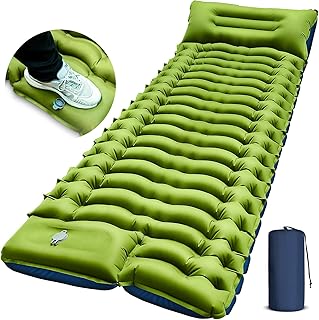


As an Amazon Associate we earn from qualifying purchases at no extra cost to you. Ratings are shown as listed on Amazon.
By Jake Thompson, outdoor gear writer and long-time trail tester
How to Read This Inflatable Sleeping Pad Review
Air pads win on warmth-to-weight and comfort but demand a few trade-offs. Focus on R-value, weight and packed size, thickness and comfort, and valve and durability. Weigh these four and you land the right air pad for your climate, comfort needs, and priorities on the trail.
R-Value and Warmth
R-value is the key warmth number, and air pads span a wide range. Insulated models use reflective films or synthetic fill to block ground cold, hitting R-values from around 3 for three-season use to over 7 for winter.
Match R-value to your coldest nights. Aim for 2 to 4 for three-season camping and above 5 for winter, remembering that the cold ground, not the air, is what steals your warmth.
Weight and Packed Size
Air pads shine on packability, and premium models deliver high warmth for around a pound while stuffing to the size of a water bottle. This is the main reason backpackers choose them over bulkier foam pads.
Lighter, thinner materials save weight but can feel less durable. Decide how much weight and pack space you will trade for warmth, comfort, and toughness before you buy.
Thickness and Comfort
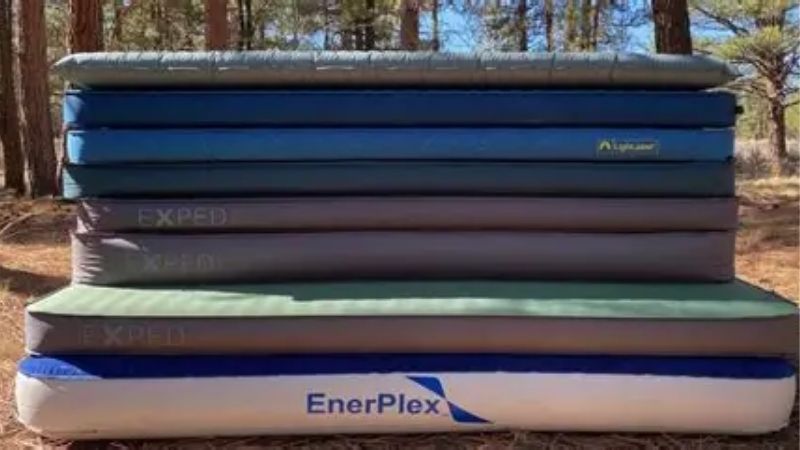
Thickness is where air pads beat foam decisively. Three to four inches of loft cushion hips and shoulders, and body-mapped or air-sprung cells conform to your shape, making them far comfier than a thin foam pad.
Side sleepers benefit most from thickness. A four-inch pad keeps hips from bottoming out on hard ground, which is why the plushest air pads are so popular with restless sleepers.
Valve and Durability
Modern flat valves make inflation and deflation fast and easy, often with separate one-way openings and microadjustment. A pump sack fills the pad without adding moist breath, which helps insulation last.
Durability is the trade-off for light weight. Thin face fabrics can puncture, so carry a patch kit and choose a slightly tougher pad if you camp on rough ground often.
Top Picks: Inflatable Sleeping Pad Review
This inflatable sleeping pad review lines up six air pads from ultralight three-season to plush and winter-warm, with a match for any camper. The table compares R-value, weight, and thickness, then each pick gets an honest look at its strengths and trade-offs.
| Air Pad | R-Value | Weight | Thickness | Best For |
|---|---|---|---|---|
| Therm-a-Rest NeoAir XLite NXT | 4.5 | ~13 oz | 3 in | Best overall 3-season |
| NEMO Tensor All-Season | 5.4 | ~14-15 oz | 3.5 in | Side sleepers, quiet |
| Sea to Summit Ether Light XR Insulated | ~3.5-7 | ~1 lb+ | 4 in | Most comfortable |
| Big Agnes Rapide SL Insulated | 4.8 | ~18 oz | 3.5 in | Comfort and value |
| Therm-a-Rest NeoAir XTherm NXT | 7.3 | ~15-16 oz | 3 in | Winter warmth |
| Big Agnes Divide Insulated | ~4 | ~1 lb 3 oz | 3 in | Best budget air pad |
Therm-a-Rest NeoAir XLite NXT
The XLite NXT is the all-around winner, delivering a 4.5 R-value at around 13 ounces for an unmatched warmth-to-weight ratio. Three-inch baffling, durable 30-denier fabric, and an easy WingLock valve make it the go-to three-season air pad for most backpackers.
Its horizontal baffles feel firmer and less plush for side sleepers, and the thin fabric can puncture, so pack a patch kit. For the best blend of warmth, weight, and packability, though, it leads the field.
NEMO Tensor All-Season
The Tensor is the pick for side sleepers and quiet sleep, with a 5.4 R-value, gridded baffles that cushion evenly, and a notably hush surface. A good pump sack inflates it without adding moisture, and it packs down small.
It costs more than budget pads and can puncture like any air pad. For campers who toss and turn or want extra warmth without much weight, though, it is a standout.
Sea to Summit Ether Light XR Insulated
The Ether Light is the comfort champion at four inches thick, with air-sprung cells that mimic a pocket-spring mattress and conform to your body in any position. Its reliable valve allows fast inflation and precise firmness adjustment.
It is heavier and bulkier than minimalist pads and pricier than budget models. For side sleepers and comfort-focused campers who hate bottoming out, though, it is one of the plushest pads you can carry.
Big Agnes Rapide SL Insulated
The Rapide balances warmth, comfort, and value with a 4.8 R-value, around 18 ounces, and a comfortable thickness, often at a lower price than premium rivals. A pump sack aids clean inflation, and a repair kit is included for peace of mind.
It is heavier than the lightest pads and not quite as warm as dedicated winter models. For three-season campers who want comfort and warmth at a fair price, though, it is a competitive pick.
Therm-a-Rest NeoAir XTherm NXT
For cold weather, the XTherm NXT delivers a 7.3 R-value at around 15 ounces, giving a genuine safety margin when nights fall below 20 degrees. It packs winter warmth into a still-backpackable weight and size.
It costs more and is overkill for warm nights. As a four-season air pad for winter and alpine trips, especially paired with a foam pad on snow, though, it is a top performer.
Big Agnes Divide Insulated
The Divide is the budget standout, offering solid three-season warmth and comfort for noticeably less than premium air pads. It provides respectable insulation and thickness at a friendly price, making it a great first quality air pad.
It is not as warm or refined as top-tier pads, and its valve is basic. For campers who want an insulated, comfortable air pad without the premium cost, though, it delivers real value.
Market Context: Prices, Tariffs and Timing in 2026
Air pads carry real dollar swings, so timing helps in this inflatable sleeping pad review for 2026. Import cost pressure and the seasonal calendar shape prices, and premium pads especially move with the market.
Why Prices Are Uncertain
Most pads are imported, and 2026 tariff policy has stayed in flux even after legal challenges, keeping costs elevated. Premium air pads have edged up as brands use pricing power, while budget models pass costs straight to shoppers.
Because policy keeps shifting, brands call future pricing guesswork. That is a fair reason to buy a proven pad you trust while it is in stock in your size and R-value rather than waiting on a lower price.
Where the Deals Are
Closeout stock is the value play. Retailers are clearing pre-tariff inventory through late 2026, so prior-year versions of proven air pads offer real markdowns, since designs change little year to year.
Member sales and coupons can shave meaningful amounts off premium pads. Timing a purchase to a major sale is the surest way to land a top air pad for less.
When to Buy
Amazon’s fall event in early October and the late-November Black Friday and Cyber Monday windows bring the deepest cuts, and pads make popular gifts. A wishlist plus price tracking helps you buy at the low.
If a trip is booked, prioritize the right R-value and comfort over a small saving. A warm, comfortable pad in hand beats a cheaper one that leaves you cold on the ground.
Frequently Asked Questions
These are the questions campers ask most in an inflatable sleeping pad review.
Are inflatable pads warm enough for winter?
Yes, if you choose a high R-value model above 5, like a dedicated four-season pad. Many winter campers also stack a foam pad underneath for warmth and a puncture-proof backup on snow.
Do air pads puncture easily?
Thin ultralight fabrics can puncture on rough ground, so carry a patch kit and clear your sleeping site. Slightly tougher pads trade a little weight for durability if you camp on rocky terrain often.
How do I inflate an air pad without a pump?
You can blow it up in a couple dozen breaths, but a pump sack is better, filling the pad quickly without adding moist breath that can degrade insulation over time inside the pad.
How thick should an air pad be?
Three inches suits most sleepers, while four inches is best for side sleepers who need extra cushion. Thicker pads keep hips and shoulders from bottoming out on hard or uneven ground.
See More:
- Best boots for rocky trails
- Best boots for snow hiking
- Budget hiking shoes
- Premium hiking boots
- Hiking shoe comparison chart
Final Thoughts
This inflatable sleeping pad review comes down to matching R-value, weight, and thickness to your camping: the NeoAir XLite leads for three-season warmth-to-weight, the Tensor and Ether Light win for side sleepers, and the XTherm handles winter. Match the R-value to your nights, carry a patch kit, buy a proven pad while stock lasts, and you will sleep warm and comfortable off the cold ground. Treat the pad as the heart of your sleep system, because it truly is.