
Key takeaways
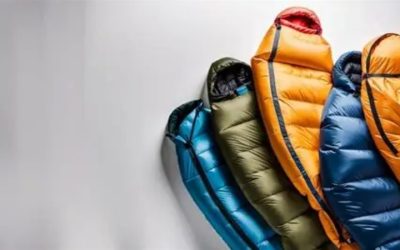
Best trekking sleeping bag decisions come down to three numbers you can actually verify: comfort rating, fill power, and packed weight. This guide compares five bags across down and synthetic fills, explains which specs matter on a multi-day route, and shows where extra money buys real warmth instead of marketing.
Our top picks
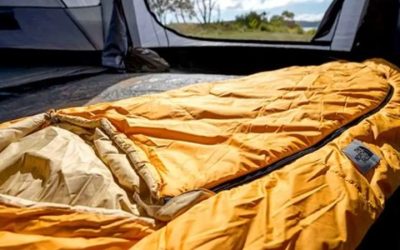
 MalloMe Sleeping Bags for Adults Cold Weather
- Occupancy: 1 Person
- Shape: Rectangular
- Seasons: 3 Seasons
Temperature rated for 50 to 77 degrees across seasons
Weighs only around 3 pounds for easy packing
Compression sack with straps shrinks it for storage
Rated for three seasons, not winter cold
Fits up to 6 feet tall, limiting taller sleepers


 Sleeping Bags for Adults Backpacking Lightweight Waterproof-
- Occupancy: 1 Person
- Seasons: 3 Seasons
- Temperature Rating: 50 to 68 degrees


As an Amazon Associate we earn from qualifying purchases at no extra cost to you.
As an Amazon Associate we earn from qualifying purchases.
By Jake Thompson, gear writer at Roger Bacon Outdoors.
🛒 Best Price Today on Amazon
Prime members get fast, free shipping on everything above, plus member-only deals. New members get a 30-day free trial — cancel anytime.
How to Choose the Best Trekking Sleeping Bag
Choosing a bag is a trade-off between warmth, weight, and packed volume, and those three pull against each other. Get the priority order right for your route and the shortlist gets short fast. These are the specifications that separate the best trekking sleeping bag options from bags that only look good on a product page.
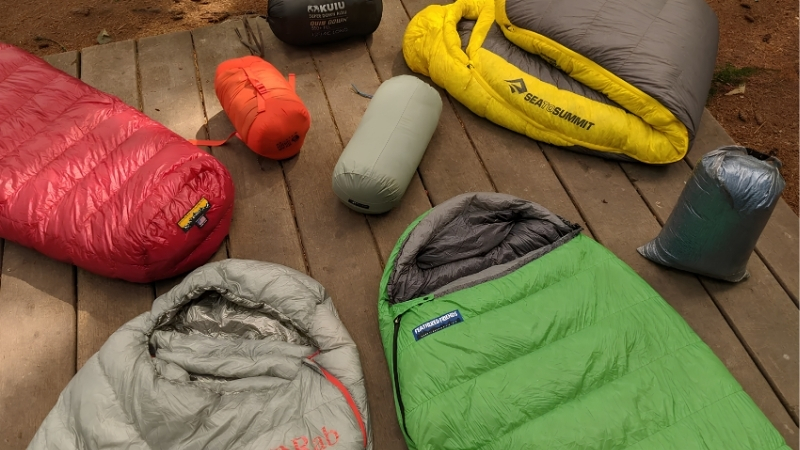
Temperature Ratings: Comfort vs. Limit
Reputable brands publish EN or ISO tested figures, and they list two of them. Comfort is the temperature at which an average cold sleeper stays comfortable. Limit is where an average warm sleeper is curled up but not shivering. Marketing usually leads with the limit number, so read the fine print before you order.
For three-season trekking in the Rockies or the Appalachians, a comfort rating near 30°F covers most nights from May through September. Shoulder-season routes and alpine camps push you toward a 15°F to 20°F comfort figure. Sleeping cold is miserable, but overbuying costs weight you carry on every single mile.
Down Fill Power or Synthetic Insulation
Fill power measures loft per ounce. A 650-fill bag traps roughly the same warmth as an 850-fill bag, but it needs more down to get there, so it weighs more and packs bigger. Between 650 and 750 is the sweet spot where cost, durability, and weight balance out for most trekkers on a budget.
Synthetic insulation loses less warmth when wet and dries in hours rather than days, which matters in the Pacific Northwest or on long rainy stretches. The trade-off is real: expect close to a pound of extra weight and noticeably more pack volume at the same rating. Hydrophobic down treatments narrow that gap without closing it.
Packed Weight and Compressed Volume
Weight is the number people quote, but volume is what ruins a pack load. A three-pound synthetic bag can eat eight or nine liters compressed, while a comparable down bag drops to four or five. On a 50-liter pack, that difference decides whether your food bag fits inside or hangs off the back.
Any best trekking sleeping bag shortlist for three-season use should sit under three pounds, and under two if you are counting grams. Check the stuff sack dimensions the brand publishes rather than trusting product photos. A compression sack bought separately often shaves another liter or two off the packed size.
Top Picks for the Best Trekking Sleeping Bag
The best trekking sleeping bag for a Sierra summer is not the same one for an October elk camp, so these five cover the range most trekkers actually shop. Figures below come from manufacturer specifications for regular-length models and shift slightly across sizes and product revisions, so confirm the exact version before ordering.
| Model | Insulation | Approx. Rating | Packed Weight | Best For |
|---|---|---|---|---|
| Kelty Cosmic 20 Down | 550-fill DriDown | 20°F limit | ~2 lb 11 oz | Value down |
| Marmot Trestles Elite Eco 20 | SpiraFil synthetic | 20°F limit | ~2 lb 9 oz | Wet climates |
| Sea to Summit Spark 15 | 850+ fill goose down | 15°F limit | ~1 lb 6 oz | Ultralight miles |
| NEMO Disco 15 | 650-fill down | 15°F limit | ~2 lb 15 oz | Side sleepers |
| TETON Sports LEEF 0 | SuperLoft Elite synthetic | 0°F rating | ~4 lb 5 oz | Cold weather |
1. Kelty Cosmic 20 Down – Best Value Down Bag
New trekkers who want down warmth without a premium price land here. The Cosmic uses 550-fill DriDown, a hydrophobic treatment that holds loft when humidity creeps in, and the regular sits close to two pounds eleven ounces. Kelty rates it to 20°F, which covers the bulk of three-season nights.
The trade-off is packed size. Lower fill power means more down to reach the same warmth, so it eats noticeably more volume than an 800-fill competitor and the shell feels heavier in hand. If pack space is not your bottleneck, this is the most warmth per dollar on the list.
2. Marmot Trestles Elite Eco 20 – Best Synthetic for Wet Routes
Coastal trails, monsoon season, and anyone who has soaked a down bag once and never forgot it should look at synthetic. Marmot’s SpiraFil insulation keeps usable loft when damp and dries fast. The regular weighs about two pounds nine ounces and uses recycled fabrics throughout the shell and lining.
Synthetic fill still compresses poorly next to down, and it loses loft faster across years of stuffing. Expect this bag to take more room in a 50-liter pack than the weight number suggests. For wet-climate trekking where reliability beats grams, that is a fair price to pay.
3. Sea to Summit Spark 15 – Lightest on the List
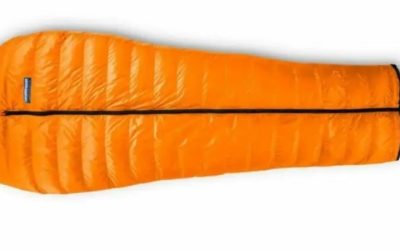
Gram counters and thru-hikers putting in big daily mileage get the most from this one. The Spark packs 850-plus fill power goose down into a slim mummy cut, and the 15°F version stays near a pound and a half. Compressed, it disappears into a pack in a way heavier bags simply cannot.
That performance costs money, and the ultralight shell fabric wants care around granite and deadfall. The narrow cut also runs tight across the shoulders for broader sleepers. If the budget is there and you treat gear carefully, nothing else here saves this much weight and volume.
4. NEMO Disco 15 – Best for Side Sleepers
Anyone who tosses, turns, or sleeps on their side notices the spoon shape immediately. Extra width at the elbows and knees lets you bend a leg without dragging the whole bag along. NEMO adds Thermo Gills, zippered vents that dump heat on warm nights without opening the main zipper.
All that room costs weight and volume, with the regular sitting near three pounds. It is also a wider bag on a narrow pad, so pair it with a 25-inch sleeping pad if you can. For trekkers who value sleep quality over the scale, it earns its ounces.
5. TETON Sports LEEF 0 – Cold-Weather Option
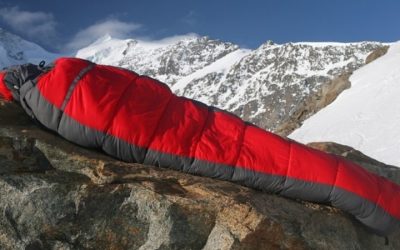
Late-season treks, high-elevation basecamps, and anyone who genuinely sleeps cold should consider a zero-degree synthetic. The LEEF uses SuperLoft Elite fill with a full draft collar and a taffeta lining that stays warm against skin. It handles nights well below freezing that leave a 20°F bag useless.
The obvious cost is weight, at roughly four pounds five ounces, plus a compressed volume that dominates a 50-liter pack. This is not a bag for fast-and-light summer travel. Bring it when the overnight lows justify it and leave it home when they do not.
Tariffs, Seasonal Timing, and What They Mean for Buyers
Sleeping bag pricing has been unusually unstable, and the reasons are worth understanding before you commit to the best trekking sleeping bag for your season. Two forces are at work: input costs that have already moved, and a demand curve that shapes both availability and discounting between now and December.
Material Costs Have Already Moved
An Outdoor Industry Association survey found 84 percent of member businesses expect new tariffs to affect their operations, with costs up roughly 7.7 percent overall. Technical inputs matter most here: high-tenacity nylon and specialty foams have climbed 10 to 15 percent, and sleeping bag shells sit squarely in that category.
The practical effect scales with price. Industry reporting suggests items in the $100 to $300 range are moving $20 to $50, which puts most three-season bags in play. Brands have been unusually direct that any quoted future pricing is an estimate rather than a commitment while supply chains settle.
Early Season Means Full Size Runs
Hunting and cold-weather seasons peak from September through November, and inventory is deepest right before that window opens. Regular and long lengths in popular ratings disappear first, and left-zip versions go even faster. Ordering early also buys you a night or two at home to check the fit.
Buying mid-season usually means accepting a second-choice color, a length that runs short, or a backorder that lands after your trip has already started. With gear this specific to body size and climate, that compromise is rarely worth the wait or the hassle.
Where the Deepest Discounts Land
If your trip is not until spring, patience pays. Prime Big Deal Days in mid-October and the Black Friday through Cyber Monday window in late November carry the year’s steepest outdoor discounts, and Amazon typically runs early deals ahead of both. Build a wishlist now and track prices rather than guessing.
The exception is anything you genuinely need before December. Must-have sizes sell out during the first wave of sale traffic, so buy early in the event rather than waiting for a deeper cut that may never arrive on the specific model and length you want.
Frequently Asked Questions
A few questions come up constantly when people move from car camping into multi-day trekking and start hunting for the best trekking sleeping bag. Here are short, practical answers to the ones worth settling before you spend money.
What temperature rating do I actually need?
Match the comfort rating to the coldest overnight low you realistically expect, then add about ten degrees of margin. For most three-season trekking in the lower 48, a comfort rating between 25°F and 32°F handles the season. Going colder than needed adds weight you carry on every mile.
Is down or synthetic better for trekking?
Down wins on weight and packed size and lasts longer if you keep it dry. Synthetic wins when wet weather is guaranteed and when budget decides. Trekkers in dry or moderate climates usually end up with down; anyone hiking coastal or rainforest routes tends to be glad they carried synthetic.
Does the sleeping pad affect the bag rating?
Considerably. Insulation compresses under your body and stops working, so the pad carries the ground insulation load. A pad with an R-value under 3 makes a 20°F bag feel closer to 35°F. Pair a four-season pad with any bag you plan to push toward its lower rating.
How should I store a bag between trips?
Never leave it compressed. Long-term stuff sack storage crushes loft permanently in both down and synthetic fills. Hang the bag or use the oversized mesh sack most brands include, somewhere dry and out of direct sun. Wash sparingly with a fill-specific detergent and dry it completely first.
See More:
- Best sleeping bag for backpacking
- Best LED headlamp bulbs
- Best women backpack for work
- Best backpack for backpackers
Final Thoughts
The best trekking sleeping bag is the one matched to your climate, your pack volume, and how cold you actually sleep, not the one with the lowest number on the tag. Start with the comfort rating your season demands, decide whether down or synthetic fits your weather, and let packed weight settle any remaining tie. Buying before the fall rush gets you both size availability and time to test the fit at home.
Write Your Review
No reviews yet. Be the first to share your experience!