
Key takeaways
Best backpacking sleeping pad for side sleepers picks cushion your hips and shoulders so you do not bottom out and wake up sore. Side sleeping concentrates your weight on small pressure points, so the right pad blends real thickness and a body-conforming surface with a packable, lightweight build you will happily carry on the trail.
As an Amazon Associate we earn from qualifying purchases.
Our top picks

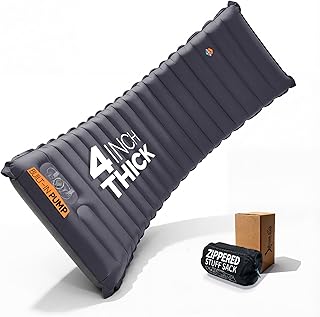


As an Amazon Associate we earn from qualifying purchases at no extra cost to you.
🛒 Best Price Today on Amazon
Prime members get fast, free shipping on everything above, plus member-only deals. New members get a 30-day free trial — cancel anytime.
Start 30-Day Prime Free Trial →See Today’s Amazon DealsHow to Choose a Pad for Side Sleeping
The best backpacking sleeping pad for side sleepers puts thickness and pressure relief first, since your hips and shoulders press hard into a small area. Balance that comfort against weight, warmth, and packed size, and you will sleep well without overloading your pack.
Thickness and Pressure Relief
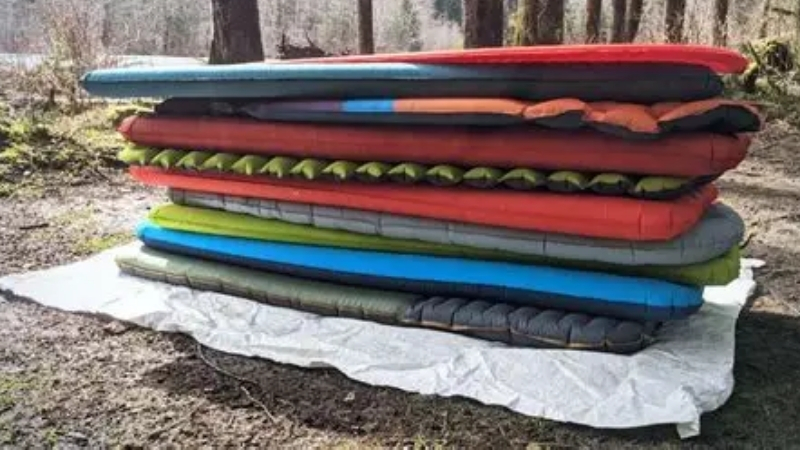
Thickness keeps your hip from bottoming out on the ground. Aim for at least three inches, and thicker is better for side sleepers; the Big Agnes Rapide SL is a plush 4.25 inches, while most premium air pads sit around three to 3.5 inches. More loft means more cushion under pressure points.
Surface design matters as much as height. Dimpled or air-cell baffles, like those on the Sea to Summit Ether Light XR and Nemo Tensor, conform to your body and disperse pressure better than flat horizontal baffles, which can feel like sleeping on a firm surfboard.
R-Value and Warmth
R-value measures insulation from the cold ground, and it matters year-round since a cold pad steals sleep. An R-value around 4.0 to 5.0 handles three-season use, while 5.5 or higher, like the Exped Ultra 6.5R, adds cold-weather margin for shoulder-season and winter trips.
Match warmth to your seasons and how cold you sleep. A warmer pad rarely hurts, but it usually adds weight and cost. For most three-season backpacking, a mid-to-high R-value pad keeps you warm while still being light enough for long miles.
Weight, Packed Size, and Noise
Backpacking pads must be light and packable, and side-sleeper comfort need not cost many ounces. Premium air pads run roughly 13 to 18 ounces and pack to about a two-liter stuff sack, so you get plush thickness without a big weight or space penalty.
Noise is worth considering too. Some pads crinkle with every movement, which can wake a partner or you. Synthetic-insulated and dimpled pads like the Nemo Tensor and Big Agnes Rapide SL tend to run quieter, a real plus if you shift positions all night.
Value, Tariffs, and Timing
Side-sleeper pads span from budget insulated models to premium ultralight air pads, and outside costs are climbing. Industry surveys report tariff-driven increases near 7 to 8 percent across outdoor gear, and technical materials like coated nylon and reflective films have seen added pressure that filters into pricing.
Because a quality pad lasts many seasons, buying a proven model when it fits your budget hedges against future increases. Sleeping gear sees off-season discounts, so watch for sales to grab the best backpacking sleeping pad for side sleepers for less.
Top Picks: Best Pads for Side Sleepers
These six pads range from ultra-plush air mats to warm, packable all-rounders, all chosen for pressure relief. The table offers a quick comparison before we detail each, so you can match the best backpacking sleeping pad for side sleepers to your trips.
| Pad | Thickness | R-Value | Best For |
|---|---|---|---|
| Sea to Summit Ether Light XR | Very thick | ~4.9 | Most comfortable |
| Nemo Tensor All-Season | 3.5 in | 5.4 | Best all-around |
| Big Agnes Rapide SL Insulated | 4.25 in | 4.8 | Thickest cushion |
| Exped Ultra 6.5R | Thick | ~6.5 | Cold-weather margin |
| Therm-a-Rest NeoAir XLite NXT | 3 in | 4.5 | Warmth-to-weight |
| Big Agnes Divide Insulated | 3.25 in | 4.0 | Best budget |
Sea to Summit Ether Light XR
The Ether Light XR is the most comfortable pick for side sleepers, using dimpled Air Sprung Cell construction that conforms closely to your body and reduces the pressure points flat baffles create. It is among the thickest pads available, so bottoming out simply is not an issue.
Its plush air-cell surface and generous loft cradle hips and shoulders beautifully. It is a premium pad and a touch heavier than the thinnest ultralight options, but for side sleepers who prioritize comfort above all, it is the standout choice.
Nemo Tensor All-Season
The Tensor All-Season is the best all-around side-sleeper pad, pairing a comfortable 3.5-inch thickness with a high 5.4 R-value and a stippled baffle that disperses pressure well. It is also noticeably quiet, so shifting positions at night will not wake your tent partner.
An excellent pump sack makes inflation quick and moisture-free, and the warmth suits shoulder-season trips into the low teens. At around 15 ounces it balances comfort, warmth, and weight better than almost anything, making it a superb do-it-all pick.
Big Agnes Rapide SL Insulated
The Rapide SL is the thickest-cushion pick at a plush 4.25 inches, with a 4.8 R-value and dimpled baffles that conform to your body far better than horizontal ones. That extra loft makes it excellent for heavier side sleepers who bottom out on thinner pads.
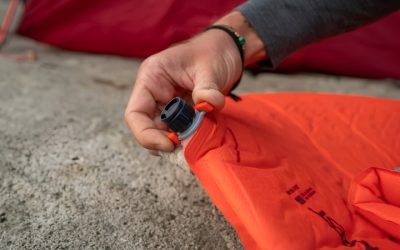
A low-profile flat valve enables fast inflation and micro-adjustment, and it is quieter than reflective-film pads while staying reasonably light at about 18 ounces. For plush, conforming comfort at a competitive price, it is a top value.
Exped Ultra 6.5R
The Ultra 6.5R is the cold-weather pick, combining a high R-value around 6.5 with side-sleeper-friendly geometry and enough thickness to resolve the hip-pressure problem most pads create. It is often the right single answer for side sleepers who camp into cold conditions.
Its warmth and build add some weight over three-season pads. But for broad, cushioned comfort with real cold-weather margin, it lets side sleepers keep one pad for nearly all their trips, from summer to shoulder season.
Therm-a-Rest NeoAir XLite NXT
The NeoAir XLite NXT is the warmth-to-weight leader, a three-inch pad with a 4.5 R-value at just 13 ounces, and its new design is quieter than older NeoAir pads. For side sleepers counting ounces, it is the lightest way to get solid three-season warmth.
Its horizontal baffles disperse side-sleeper pressure a bit less than dimpled pads, and it is pricey and slightly fiddly to fill. But for ultralight backpackers who still want cushion, it is a proven, featherweight benchmark.
Big Agnes Divide Insulated
The Divide Insulated is the best budget pick, offering a generous 3.25 inches of padding, with taller 3.5-inch outer chambers that keep you from drifting off the side, plus a competitive 4.0 R-value and an included pump sack. It handles most three-season conditions capably.
At about 1 pound 6 ounces it is heavier than premium pads, and its vertical baffles are not quite as comfortable as dimpled designs. But for recreational backpackers who want side-sleeper thickness without the premium price, it is a smart value.
Frequently Asked Questions
Side sleepers shopping for a pad tend to ask the same questions. Here is what to know before choosing the best backpacking sleeping pad for side sleepers for your trips.
How thick should a side sleeper’s pad be?
Aim for at least three inches, and thicker is better. Side sleeping concentrates weight on your hips and shoulders, so more loft prevents bottoming out. Plush pads like the Big Agnes Rapide SL at 4.25 inches or the Sea to Summit Ether Light XR excel as the best backpacking sleeping pad for side sleepers for this reason.
Do baffles affect side-sleeper comfort?
Yes. Dimpled or air-cell baffles conform to your body and spread pressure across more surface, which feels softer than flat horizontal baffles. If comfort on your side is the priority, the best backpacking sleeping pad for side sleepers has a dimpled or air-cell surface rather than a flat-top design.
What R-value do I need?
For three-season backpacking, an R-value of about 4.0 to 5.0 is plenty. If you camp into cold shoulder-season or winter conditions, choose 5.5 or higher, like the Exped Ultra 6.5R. A warmer pad rarely hurts, but it usually adds a little weight and cost.
Are thick pads too heavy for backpacking?
Not necessarily. Premium air pads deliver three to 4.25 inches of thickness at roughly 13 to 18 ounces, so side-sleeper comfort costs few ounces. Budget insulated pads weigh more, so if grams matter, invest in a lighter premium air pad with dimpled baffles.
See More:
- Best bike hydration pack
- Best bicycle hydration pack
- Best rain jacket for warm weather
- Best hot weather rain jacket
- Best camping multi tool
Final Thoughts
The best backpacking sleeping pad for side sleepers cushions your hips and shoulders with real thickness and a body-conforming surface, so you sleep through the night instead of tossing on hard ground. The Sea to Summit Ether Light XR is the most comfortable, the Nemo Tensor All-Season is the best all-around, and the Big Agnes Rapide SL offers the thickest cushion. With gear prices under upward pressure from tariffs, buying a proven pad now can hedge against future increases, and a quality pad lasts many seasons. Favor thickness and dimpled baffles, match the R-value to your seasons, and side sleeping on the trail will finally feel restful.

Write Your Review
No reviews yet. Be the first to share your experience!