
Key takeaways
The best lightweight sleeping bag cuts serious weight from your pack while still keeping you warm, since the bag is one of the three heaviest items most backpackers carry. This guide compares six tested 2026 ultralight picks across weight, fill power, temperature rating, and packability, so you can match a bag to thru-hikes, fastpacking, or weekend trips rather than guessing at warmth-to-weight claims.
As an Amazon Associate we earn from qualifying purchases.
🛒 Best Price Today on Amazon
Prime members get fast, free shipping on everything above, plus member-only deals. New members get a 30-day free trial — cancel anytime.
Start 30-Day Prime Free Trial →See Today’s Amazon DealsHow to Choose the Best Lightweight Sleeping Bag
The best lightweight sleeping bag balances weight against warmth, since shaving ounces cannot mean freezing at night. Before comparing models, weigh four levers: weight and fill power, temperature rating, packability and fabric, and features versus fit. Get these right and you carry less without sacrificing a good night’s sleep.
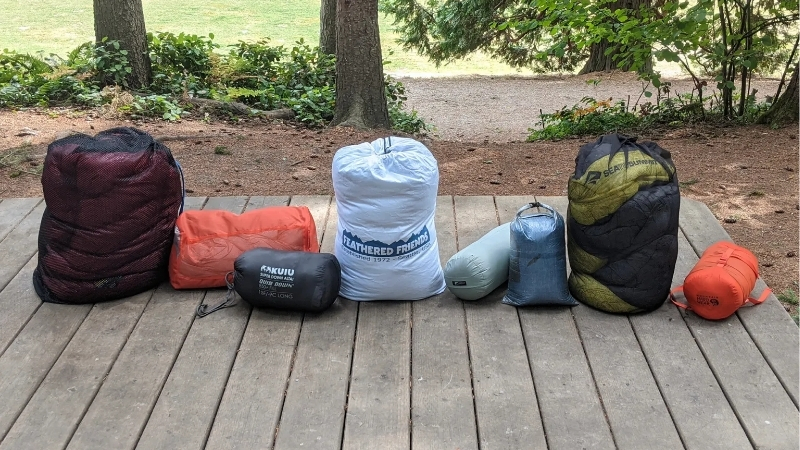
Weight and Fill Power
Because the bag is among your heaviest items, cutting its weight makes a big difference, and the lightest premium bags dip near a pound and a quarter. Higher fill power, from 850 to 950 and up, delivers more warmth per ounce.
Premium high-fill down is the key to a warm bag that still weighs almost nothing. If counting ounces is your priority, prioritize fill power, which packs the most warmth into the least weight.
Temperature Rating
A rating around 15 to 30 degrees is the most universal for three-season backpacking, keeping you comfortable down to near freezing. If you are sure nights will stay above forty, a 30-degree bag saves weight.
Look at both EN comfort and lower-limit ratings, since the comfort figure is more realistic for most sleepers. Buy for the coldest conditions you actually expect rather than the warmest night you hope for.
Packability and Fabric
A lightweight bag should compress small, and premium down bags pack down to just a few liters, freeing pack space. Thin face fabrics, sometimes just ten denier, help shave weight but tear more easily.
Heavier twenty-denier shells last longer and feel more durable, a worthwhile trade for some hikers. Box or vertical baffles keep down from shifting away from your core, and an anti-snag zipper prevents frustrating catches on thin fabric.
Features Versus Fit
Ultralight bags trim features to save weight, and some drop the hood or zipper entirely, becoming quilts for the lightest setups. A draft collar and insulated footbox add warmth for the ounces they cost.
Fit affects both warmth and comfort, since a snug mummy is thermally efficient while a roomier cut suits side sleepers but can feel drafty. Choose the shape that matches how you sleep and your temperature needs.
Buying a Lightweight Sleeping Bag in 2026: Prices and Timing
Beyond specs, timing shapes what you pay for the best lightweight sleeping bag in 2026. Premium down costs have climbed, and backpacking season swings prices, so a little planning stretches your budget.
Tariffs and Material Costs
Outdoor brands reported broad input-cost increases this year, with premium down and technical fabrics among materials seeing roughly ten to fifteen percent higher costs. Brands have described some new prices as estimates that may shift.
The practical upshot is that a quality down bag is unlikely to get much cheaper at full retail. When a bag you want appears at a fair price, buying can beat waiting for a discount that may not undercut a rising baseline.
Seasonal Timing
Backpacking bags see the widest selection heading into spring and summer, so the deepest discounts often land off-season in fall and winter or during pre-season sales. Popular sizes and ratings sell through first.
Major sales windows, including October’s Prime Big Deal Days and the late-November Black Friday and Cyber Monday stretch, typically deliver strong sleeping bag deals.
Buy Early and Pair a Pad
Buy early so you can test the bag’s warmth on a cool night and confirm it suits your pad and layers before a big trip. A bag that runs cold is best discovered at home, not on the trail.
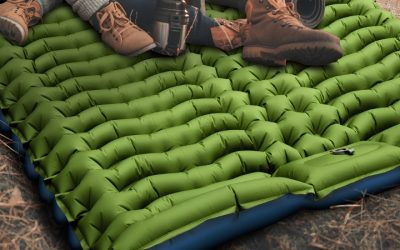
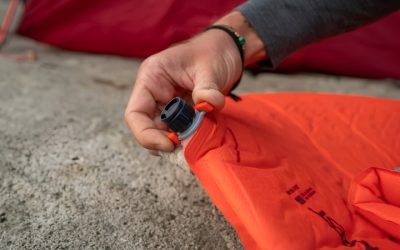
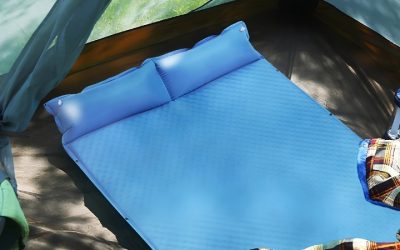
Remember that half your warmth comes from the sleeping pad, so pair a lightweight bag with a pad rated for the same conditions rather than skimping on ground insulation.
Top Picks: The Best Lightweight Sleeping Bag Reviewed
These six picks for the best lightweight sleeping bag span a warmth-to-weight king, a versatile all-rounder, a premium classic, a cottage ultralight, a value down bag, and a roomy durable option. The table gives a quick overview, then each review covers who it suits and its trade-offs.
| Model | Fill Power | Best For | Price Tier |
|---|---|---|---|
| Feathered Friends Hummingbird UL 30 | 950+ | Warmth-to-weight king | Premium |
| Sea to Summit Spark 15 | 850+ | Versatile all-rounder | Mid-premium |
| Western Mountaineering UltraLite | 850+ | Premium classic | Premium |
| Zpacks 20F Mummy | 900 | Cottage ultralight | Premium |
| REI Co-op Magma 30 | 850+ | Value down | Mid |
| Therm-a-Rest Parsec 30 | 900 | Roomy and durable | Mid |
Feathered Friends Hummingbird UL 30
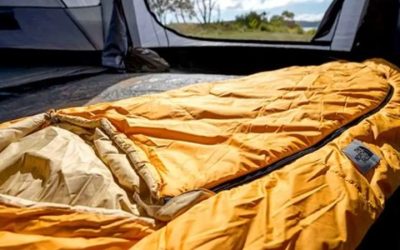
The Feathered Friends Hummingbird UL 30 is our warmth-to-weight king, using the highest fill-power down around, 950 and up, to create a warm bag that weighs roughly a pound and a quarter. It is the top choice for ounce-counters.
It carries a premium price and a snug, minimalist cut. For thru-hikers and fastpackers who want the best warmth for the least weight, nothing beats it.
Sea to Summit Spark 15
The Sea to Summit Spark 15 is our versatile all-rounder, a pinnacle mummy ultralight bag with draft tubes, a 360-degree down collar, and box baffles that keep it exceptionally warm for its weight. A neck snap system even lets it open into a quilt.
Its ten-denier fabric is delicate and can rip if handled roughly. For backpackers who want a warm, packable, versatile bag, it is a top all-around pick.
Western Mountaineering UltraLite
The Western Mountaineering UltraLite is our premium classic, delivering the best balance of warmth and weight with a draft collar that fills the space around the hood to trap heat. It packs down small and holds up for years.
Its hood closure can feel awkward and it costs top dollar. For backpackers who want proven, buy-once warmth-to-weight, it is a benchmark choice.
Zpacks 20F Mummy
The Zpacks 20F Mummy is our cottage ultralight pick, a long-running favorite at around 23 ounces, filled with 900-fill water-resistant down and overstuffed by thirty percent for extra warmth. It unzips fully into a quilt for warm nights.
Its thin fabric and minimalist build demand careful handling. For dedicated ultralighters who want a light, warm, versatile bag from a cottage brand, it excels.
REI Co-op Magma 30
The REI Co-op Magma 30 is our value down pick, offering a strong weight-to-warmth ratio with 850-plus fill down and responsibly sourced materials at a price below ultra-premium bags. It is a smart entry into serious ultralight down.
Its twenty-denier fabric feels slightly less refined than the priciest bags, and the fit runs snug. For backpackers who want premium-style warmth-to-weight at a fairer price, it is an excellent value.
Therm-a-Rest Parsec 30
The Therm-a-Rest Parsec 30 is our roomy and durable pick, updated with lofty 900-fill down and plush baffles for real warmth, plus an insulated toe box and anti-snag zipper. Its twenty-denier shell is tougher than true ultralight competitors.
Its roomy cut is slightly less thermally efficient than a snug mummy. For side sleepers and hikers who want comfort and durability in a light package, it is a great choice.
Frequently Asked Questions
Quick answers to the questions backpackers ask most when choosing the best lightweight sleeping bag for the trail.
How light is a lightweight sleeping bag?
The lightest premium three-season bags weigh around a pound and a quarter to two pounds, cutting significant weight from your pack. High fill-power down, from 850 to 950 and up, is the key, packing the most warmth into the least weight. Quilts go even lighter by dropping the hood and zipper entirely.
Is down or synthetic better for going light?
Down offers by far the best warmth-to-weight ratio and packs smallest, making it the clear choice for ultralight backpacking. Synthetic is heavier and bulkier but insulates when damp and costs less. For the lightest, most packable setup, high fill-power down wins, though it needs protection from getting wet.
What temperature rating should I choose?
A 15 to 30 degree rating is the most universal for three-season backpacking, keeping you comfortable down to near freezing. If nights will stay above forty, a 30-degree bag saves weight. Focus on the EN comfort rating rather than the lower limit, and buy for the coldest conditions you realistically expect.
Does the sleeping pad matter for warmth?
Enormously. About half your warmth comes from the pad, not the bag, since the cold ground conducts heat away faster than air. A warm bag on a low-insulation pad will still feel cold below freezing. Pair a lightweight bag with a pad rated for the same conditions, using an R-value of 4 or higher for three-season trips.
Final Thoughts
Choosing the best lightweight sleeping bag comes down to matching weight, fill power, and temperature rating to your trips rather than chasing the lowest number alone. The Feathered Friends Hummingbird UL leads on warmth-to-weight, the Sea to Summit Spark 15 is a versatile all-rounder, and the Western Mountaineering UltraLite is a premium classic, while the REI Magma covers the value pick. Buy early, pair a warm pad, and any of these six will lighten your load without leaving you cold.
Our top picks


As an Amazon Associate we earn from qualifying purchases at no extra cost to you.
Write Your Review
No reviews yet. Be the first to share your experience!