
Key takeaways
Hiking backpack organization is what turns a chaotic pack into one where every item has a place and heavy loads still ride well. This guide covers how to pack smart and balance a load, then names six packs with the best pockets and access to make it easy.
As an Amazon Associate we earn from qualifying purchases.
Our top picks


As an Amazon Associate we earn from qualifying purchases at no extra cost to you. Ratings are shown as listed on Amazon.
By Jake Thompson
How to Master Hiking Backpack Organization
Good hiking backpack organization is about two things: placing weight for a stable carry and keeping gear findable. Master load placement, zoning, quick-access pockets and packing aids, and even a big load rides comfortably while your rain jacket is never buried at the bottom.
Place Heavy Weight Close and Centered
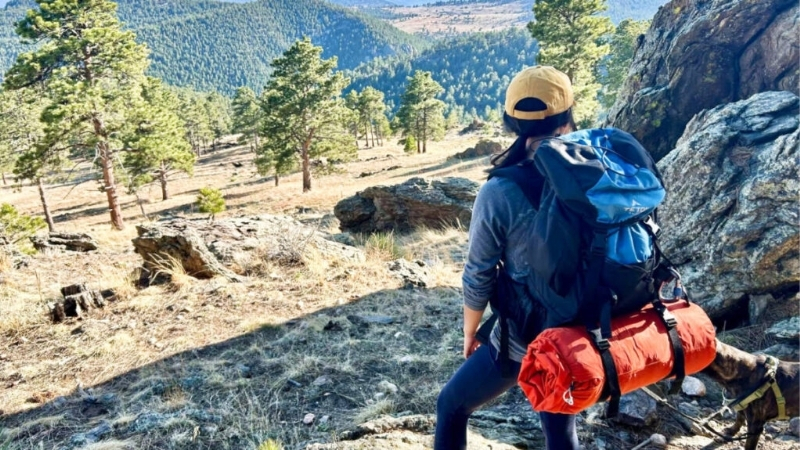
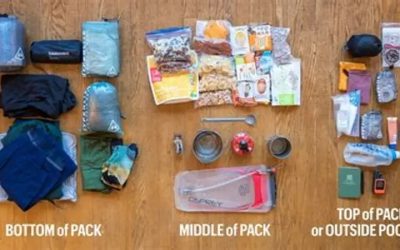
Where you put weight shapes comfort more than any pocket. Keep heavy items, like food, water and cook kit, close to your back and centered over your hips, with medium weight around them and light, bulky items like your sleeping bag at the bottom. This keeps the load stable.
A pack that pulls backward or sways is usually loaded wrong. If heavy gear sits far from your spine or high above your shoulders, the load feels heavier and less balanced. Adjust placement before blaming the pack, since load position is the foundation of comfortable carrying.
Zone Your Gear by Access Need
Organize by how often you need each item. Bottom zone for camp-only gear like your sleep system, core zone for heavy items near your back, top and lid for things you grab at breaks, and hipbelt and shoulder pockets for snacks, phone and map you want without stopping.
Consistent zoning means you never dig for essentials. Rain gear, snacks and a first-aid kit belong in top or external pockets, not buried in the core. Packs with multiple access points and dump pockets make this zoning easier, which is where good organization features earn their keep.
Use Quick-Access Pockets
The most useful pockets are the ones you reach without removing the pack. Hipbelt pockets hold snacks, a phone and lip balm, shoulder-strap pockets carry a soft flask, and a stretch front dump pocket swallows a wet rain layer. These keep momentum on the trail.
Look for side water bottle pockets with a trail-access cutout so you can grab a bottle mid-stride, and a full-length side zipper for reaching the main compartment without unpacking. These access features are a big part of what separates well-organized packs from simple tubes.
Add Packing Aids for Simple Packs
Minimalist packs with one big compartment rely on you to add structure. Packing cubes and colored stuff sacks group gear by type, so your kitchen, clothes and electronics stay separate and findable even in a single-tube ultralight pack. Compression sacks also shrink bulky items.
Match aids to your pack. Feature-rich packs need fewer, since their pockets do the zoning, while ultralight tubes benefit most from cubes and sacks. Either way, packing aids turn any pack into an organized system, so they are worth adding to your hiking backpack organization kit.
Top Packs for Hiking Backpack Organization
Some packs make organization effortless with smart pockets and access. This hiking backpack organization guide names six standouts, then breaks down who each suits and its honest drawbacks. Scan the table first for the quick comparison.
| Model | Capacity | Pockets / Access | Best For | Price Tier |
|---|---|---|---|---|
| Gregory Baltoro 65 | 65L | 9 pockets, 3 access | Maximum organization | Premium |
| Deuter Aircontact Core 65+10 | 65+10L | Many pockets, 3 access | Organized heavy loads | Mid |
| Gregory Paragon 60 | 60L | 7 pockets, side zip | Balanced organization | Mid |
| Osprey Atmos AG 65 | 65L | Dual back zips, side access | Ventilated organization | Premium |
| Osprey Talon 22 | 22L | Hipbelt and dump pockets | Day-hike organization | Mid |
| HMG Southwest 3400 | 55L | External pockets, needs cubes | Ultralight organization | Premium |
Gregory Baltoro 65 — Best for Maximum Organization
The Baltoro 65 is the organizational champion. Its nine pockets include dual lid compartments, a front mesh dump pocket, side pockets and large hipbelt pockets, and three access points plus a sleeping bag divider let you reach any gear without unpacking. For methodical packers, it is unmatched.
All that organization is heavy, pushing five to six pounds, and premium-priced, so it is overkill for light kits. If you carry big loads and want every item in its own place, though, few packs organize as thoroughly. The women’s version is the Deva.
Deuter Aircontact Core 65+10 — Best for Organized Heavy Loads
The Aircontact Core packs every pocket you could want: two lid pockets, huge side and front mesh, and large hipbelt pockets, plus three access points and a sleeping bag divider. Its plush suspension and VariSlide fit keep big, well-organized loads comfortable over long days.
It weighs over five pounds and comes in one size relying on the adjustable torso. For backpackers who value staying organized and comfortable over counting grams, though, its features and competitive price make it a standout. The women’s version is the 60+10 SL.
Gregory Paragon 60 — Best Balanced Organization
The Paragon 60 organizes without overbuilding. Its seven pockets include dual lid compartments, a dorsal stretch-mesh dump pocket and two hipbelt pockets, while a full-length side zipper reaches the main compartment and a side cutout lets you grab a bottle mid-stride. It is organized yet light.
Its hipbelt padding is a touch thin and it lacks a rain cover. For hikers who want smart, findable organization at a mid weight and price, though, it strikes an ideal balance between minimalist tubes and heavy, feature-packed haulers. The women’s version is the Maven 58.
Osprey Atmos AG 65 — Best Ventilated Organization
The Atmos AG 65 pairs organization with class-leading airflow. Two zippered back pockets, side access to the main compartment, a front stuff pocket, hipbelt pockets and stretch side pockets keep gear zoned, while the AntiGravity backpanel keeps you cool. It is organized and comfortable.
It runs over four and a half pounds with a roughly 40-pound load ceiling, and a few report frame pressure when overloaded. For hikers who want thorough organization plus top ventilation, though, it is a superb all-rounder. The women’s version is the Aura AG 65.
Osprey Talon 22 — Best Day-Hike Organization
For day hikes, the Talon 22 organizes better than most daypacks. Its pocketed hipbelt holds snacks and a phone, a stretch front dump pocket swallows a layer, side pockets carry bottles, and a scratch-free pocket protects sunglasses. It keeps a day’s gear findable on the move.
It is heavy for a daypack at roughly two pounds, and its 100D body is not the most durable. For day hikers who want real organization and quick-access pockets, though, it is hard to top. The women’s version is the Tempest 20.
HMG Southwest 3400 — Best Ultralight Organization
The Southwest 3400 proves ultralight packs can organize well with the right approach. Its large external dump pocket and side pockets hold rain gear, water and snacks, while the waterproof Dyneema tube keeps the rest dry. Paired with packing cubes, it becomes a tidy, findable system.
Its single main compartment has no internal structure, so it relies on cubes and stuff sacks for zoning, and the thin straps get uncomfortable above 30 pounds. For weight-disciplined hikers willing to add packing aids, though, it organizes a light kit cleanly at minimal weight.
What Organized Pack Prices Look Like in 2026
Feature-rich packs and packing aids span a range of prices, so timing helps. A couple of current market forces affect what organized packs cost and when to buy, without changing which fits your packing style.
Tariffs Pressure Materials and Extras
Packs and packing aids use imported nylon, and metal tariffs touch frame hardware. Brands have described future pricing as a moving target, so if you already know the organized pack you want, buying now is a reasonable hedge rather than waiting for prices that may creep up.
The effect is uneven. Premium feature-rich haulers have largely held pricing, while mid-tier organized packs see more discounting. Value-focused buyers should watch packs like the Paragon and Talon for closeouts, and packing cubes are cheap year-round.
Buy Ahead and Add Aids
Stock is deepest in late summer and early fall, before popular sizes thin out. Buying early lets you set up your organization system, adding cubes and sacks, and test it before a trip rather than fumbling with a new pack’s layout at the trailhead.
The fall calendar rewards patience, with Prime Big Deal Days in early October and Black Friday and Cyber Monday in late November offering the deepest discounts. Packing cubes and stuff sacks are inexpensive, so pairing a sale pack with a few aids is an easy upgrade.
Spend on Access, Not Just Pockets
The most useful organization features are access points, side zippers and quick-reach pockets, so spend there rather than on sheer pocket count. A pack you can reach into without unpacking saves more time on trail than one with many pockets but only top access.
If a specific model or size is prone to selling out, buy early rather than gambling on peak stock. Missing the right size costs more than a small discount, and a well-organized pack you use for years is worth buying right the first time.
Frequently Asked Questions
These are the questions hikers ask most about organizing a pack.
What is the key to hiking backpack organization?
Load placement first, then zoning. Good hiking backpack organization keeps heavy items close to your back and centered over your hips for stability, then zones gear by how often you need it, with quick-access pockets for snacks, rain gear and a map you want without stopping.
Do I need a pack with lots of pockets?
Not necessarily. Feature-rich packs like the Baltoro zone gear for you, but a minimalist pack plus packing cubes and stuff sacks organizes just as well at lower weight. Choose based on whether you prefer built-in pockets or a lighter pack you organize with aids.
How do packing cubes help organization?
They add structure to simple packs. Cubes and colored stuff sacks group gear by type, kitchen, clothes, electronics, so items stay separate and findable even in a single-tube ultralight pack. Compression sacks also shrink bulky items like your sleeping bag to save space.
Where should heavy items go in a pack?
Close to your back and centered over your hips. Placing heavy gear like food and water near your spine and at mid-height keeps the load stable and feeling lighter, while light, bulky items like your sleeping bag go at the bottom and medium weight fills the rest.
See More:
- Best hiking backpack
- Best backpacking backpack
- Ultralight hiking backpack
- Best hydration backpack
- Best hiking backpack for women
Final Thoughts
Good hiking backpack organization comes down to placing weight close and centered, zoning gear by access need, and using quick-reach pockets or packing aids. The Baltoro 65 and Aircontact Core organize heavy loads thoroughly, the Paragon 60 balances it lighter, and the Southwest 3400 plus cubes keeps ultralight kits tidy. Master load placement first, then let the right pack and aids do the rest.


Write Your Review
No reviews yet. Be the first to share your experience!