
Key takeaways
Budget hiking backpacks prove you do not need to spend a fortune to carry your gear well. This guide compares six affordable packs by capacity, weight, comfort and value so you can find one that performs on the trail without stretching your wallet.
As an Amazon Associate we earn from qualifying purchases.
Our top picks


As an Amazon Associate we earn from qualifying purchases at no extra cost to you. Ratings are shown as listed on Amazon.
By Jake Thompson
How to Choose Among Budget Hiking Backpacks
Choosing among budget hiking backpacks means finding the best comfort, durability and features for the price. Affordable packs make sensible tradeoffs, so knowing where to accept them, and where not to, lets you get a pack that carries your loads well without paying for frills you do not need.
Match Capacity to Your Trips
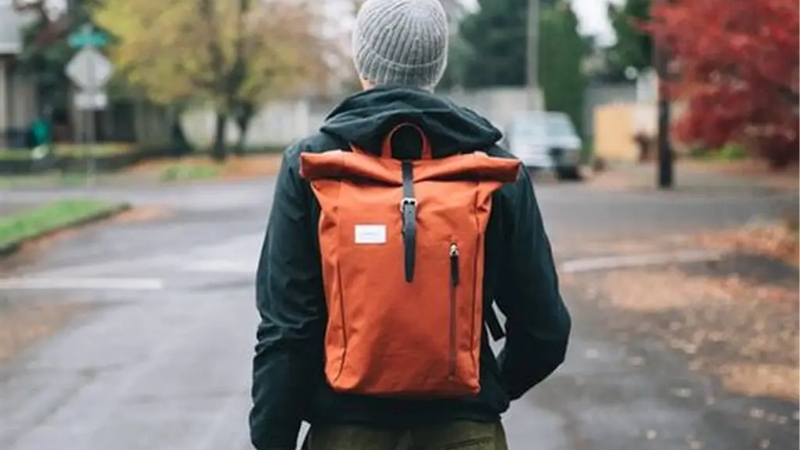
Budget packs span daypacks around 20 liters to 65-liter haulers, so start by matching capacity to your trips. Day hikes want 20-35 liters, weekends 40-55, and multi-day trips 55-65. Buying the right size first ensures your affordable pack rides well without being half empty or overstuffed.
Do not oversize just because a big pack is cheap, since a sagging half-empty pack is uncomfortable. Match the volume to your typical outing, and if you only day hike, a budget daypack serves better than a discounted hauler. Right-sizing is free performance on any budget.
Know Where Budget Packs Compromise
Affordable packs save money by using simpler suspensions, heavier fabrics and fewer features than premium models. That often means more weight and less plush comfort under heavy loads, which is fine for lighter kits and shorter trips but noticeable when you carry a lot for many miles.
Decide which compromises you can live with. A budget pack that is a pound heavier but carries your weekend load comfortably is a smart buy, while one that lacks a real hipbelt for heavy loads is not. Match the pack’s compromises to how you actually hike and how much you carry.
Prioritize Comfort and Fit
Even on a budget, a comfortable suspension and good fit matter most. Look for a padded, ventilated backpanel, a supportive hipbelt that transfers weight, and ideally an adjustable torso, which is forgiving for a first serious pack. Fit trumps features, so measure your torso and match it to the pack.
A budget pack that fits well and carries comfortably beats a feature-rich one that does not sit right. Prioritize a real hipbelt and a supportive backpanel over pocket count or fancy fabrics, since those are what make an affordable pack actually pleasant to carry loaded on the trail.
Weigh Durability and Value
Budget packs often use heavier but tougher fabrics, which can mean good durability for the price. Weigh that against weight, and consider brands with strong warranties or return policies, since a pack that lasts years is a better value than a cheap one you replace after a season.
Value is comfort and durability per dollar, not just the lowest price. A slightly pricier budget pack that carries better and lasts longer often beats the cheapest option. Match the spend to your use, since occasional hikers can go cheaper while frequent hikers benefit from a sturdier value pick.
Top Picks: The Best Budget Hiking Backpacks for Value
These six span affordable daypacks to value multi-day haulers, all easy on the wallet. The best budget hiking backpacks depend on your trips, so scan the table, then read each pick for who it suits and its honest drawbacks.
| Model | Capacity | Weight | Best For | Approx. Price |
|---|---|---|---|---|
| Kelty Coyote 65 | 65L | ~4 lb 8 oz | Budget multi-day | Under $150 |
| REI Co-op Trailmade 60 | 60L | ~3 lb 8 oz | Adjustable value | Under $180 |
| Osprey Rook 65 | 65L | ~3 lb 8 oz | Ventilated value | Under $185 |
| TETON Sports Scout 3400 | 55L | ~4 lb 5 oz | Cheapest hauler | Under $100 |
| Osprey Daylite Plus | 20L | ~1 lb 6 oz | Budget daypack | Under $85 |
| REI Co-op Flash 22 | 22L | ~14 oz | Lightweight daypack | Under $65 |
Kelty Coyote 65 — Best Budget Multi-Day
The Coyote 65 is a full-featured 65-liter internal-frame pack at a remarkably low price. Its adjustable torso fits most body sizes, the hipbelt is padded and anatomical, and a sleeping bag compartment divider keeps your kit organized. For a first multi-day pack on a tight budget, it is an ideal choice.
At around four and a half pounds it is heavier than pricier packs, and its suspension is basic next to premium models, so it is best for moderate loads and occasional trips. For new backpackers who want real capacity and adjustability without spending up, though, its value is hard to beat.
REI Co-op Trailmade 60 — Best Adjustable Value
The Trailmade 60 is built for accessible, adjustable comfort. It fits many body types with a wide torso adjustment, carries an overnight kit and then some, and keeps things simple and affordable, all backed by REI’s strong return policy. For beginners who want a forgiving fit at a low price, it is a smart value.
It is short on premium comfort features, and its suspension is basic compared with pricier packs, so it will not pamper you on long, heavy days. For weekend trips and new backpackers dialing in their fit, though, its adjustability and value make it an easy recommendation.
Osprey Rook 65 — Best Ventilated Value
The Rook 65 brings Osprey quality to a budget price. At about three and a half pounds it pairs a durable 600D polyester body with a 1000D reinforced bottom and an AirSpeed suspended-mesh backpanel for real airflow, and it is backed by Osprey’s lifetime guarantee. For a ventilated budget hauler, it is the top pick.
It is less feature-rich than premium packs, with basic organization and a fixed rather than adjustable torso, so getting the right size matters. As a durable, ventilated multi-day pack at a budget price with a lifetime warranty, though, its value is excellent. The women’s version is the Renn 65.
TETON Sports Scout 3400 — Best Cheapest Hauler
The Scout 3400 is about the cheapest real internal-frame hauler you can buy. It includes an adjustable torso and a rain cover, carries a multi-day load, and costs a fraction of name-brand packs. For absolute budget shoppers who need capacity now, it delivers a lot of pack for very little money.
Its materials and suspension are basic, it is heavy at around four and a half pounds, and comfort trails pricier packs under heavy loads. For occasional trips, first-timers testing whether they enjoy backpacking, or tight budgets, though, its bundled rain cover and rock-bottom price make it a sensible entry point.
Osprey Daylite Plus — Best Budget Daypack
The Daylite Plus is a versatile budget daypack. Its 20-liter body pairs a padded sleeve for a hydration bladder or laptop with a rugged 300D nylon build reinforced by a 600D bottom, and it moves easily from trail to commute at a low price backed by Osprey’s guarantee. For day hikes and everyday use, it is a value standout.
For hiking it has only a webbing hipbelt with no real weight transfer, so it suits light day loads rather than heavy climbs. As an affordable, durable everyday-and-trail daypack, though, its versatility makes it one of the best budget picks in the lineup.
REI Co-op Flash 22 — Best Lightweight Daypack
The Flash 22 is the lightweight budget daypack pick. At about 14 ounces it uses recycled ripstop nylon and includes a hydration sleeve and a removable sit-pad backpanel, all at a very low price. For light day loads and beginners, it is the easy, affordable Co-op daypack choice.
The thin nylon trades some durability, and there is no real frame or hipbelt support, so it gets floppy under heavier loads. Kept to light kits, though, few daypacks match its blend of low weight, simplicity and price, making it a great value for casual day hikes.
What Budget Pack Prices Look Like in 2026
Budget packs are affordable by design, but timing stretches your dollar further. A couple of current market forces affect what these packs cost and when to buy, without changing which model fits your trips.
Tariffs Pressure Materials, but Budget Wins
These packs use imported nylon and aluminum frame elements, and metal tariffs add cost. Brands have described future pricing as uncertain, but budget and mid-tier packs are exactly the segment seeing the most discounting as retailers clear pre-tariff inventory, which works in a value shopper’s favor.
Watch for closeouts on last year’s colors, which are often the cheapest way to land a quality budget pack. Since affordable packs see frequent markdowns, patience and a price alert can turn an already low price into a genuine bargain.
Time Sales and Store Events
Beyond the usual fall calendar, with Prime Big Deal Days in early October and Black Friday and Cyber Monday in late November, retailers like REI run member sales and coupon events. Timing a budget pack purchase to those can stack savings on an already affordable pick.
Buying early in the season also secures the sizes that thin out on popular value packs. Build a wishlist now and track prices into fall and store events, and a budget pack can get even cheaper without sacrificing the fit and capacity you need.
Spend a Little on Comfort
On a budget, spend the extra few dollars on comfort and fit rather than the absolute cheapest option. A pack with a real hipbelt and adjustable torso carries far better than a rock-bottom one, and that comfort is what keeps you hiking, making it the smartest place to stretch a budget.
If a specific size or model is prone to selling out, buy early rather than gambling on peak-season stock. Missing the right size costs more than a small saving, and a comfortable budget pack you actually enjoy carrying is worth a little more than the cheapest one on the shelf.
Frequently Asked Questions
These are the questions hikers ask most about affordable packs.
Are budget hiking backpacks worth it?
For most hikers, yes. Budget hiking backpacks make sensible tradeoffs, usually more weight and simpler suspension, but carry moderate loads comfortably for far less than premium packs. For occasional trips and lighter kits, a well-chosen budget pack performs close to pricier ones at a fraction of the cost.
What do you give up with a cheaper pack?
Mostly weight, plush comfort under heavy loads, and premium features. Budget packs use heavier fabrics and simpler suspensions, which are fine for lighter loads and shorter trips but less comfortable when you carry a lot for many miles. A real hipbelt and good fit are the things not to compromise.
How much should I spend on a first pack?
Enough for a comfortable, well-fitting pack, which is often under $150-185 for a capable multi-day model like the Coyote, Trailmade or Rook. Spending the extra few dollars over the cheapest option for a real hipbelt and adjustable torso is worth it, since comfort keeps you hiking.
Do budget packs last?
Many do, since they often use heavier but tougher fabrics. Durability varies by model, so choose value picks with solid construction and, ideally, a warranty or good return policy. A budget pack that lasts several years is a better value than the cheapest one you replace after a season.
See More:
- Best hiking backpack
- Best backpacking backpack
- Ultralight hiking backpack
- Best hydration backpack
- Best hiking backpack for women
Final Thoughts
The best budget hiking backpacks deliver comfort and capacity per dollar, not just a low price. The Kelty Coyote 65 and REI Trailmade 60 lead value multi-day, the Osprey Rook 65 adds ventilation, and the Flash 22 covers day hikes cheaply. Right-size the pack, prioritize a comfortable fit, then time a sale, and you will carry your gear well without overspending.


Write Your Review
No reviews yet. Be the first to share your experience!