
Key takeaways
Backpacking gear list building starts with the Big Three, shelter, sleep system and pack, then rounds out with water and kitchen kit. This guide walks that framework and names six top picks so you assemble a light, comfortable setup for overnight and multi-day trips.
As an Amazon Associate we earn from qualifying purchases.
Our top picks


 MalloMe Sleeping Bags for Adults Cold Weather
- Occupancy: 1 Person
- Shape: Rectangular
- Seasons: 3 Seasons

As an Amazon Associate we earn from qualifying purchases at no extra cost to you. Ratings are shown as listed on Amazon.
By Jake Thompson
How to Build a Backpacking Gear List
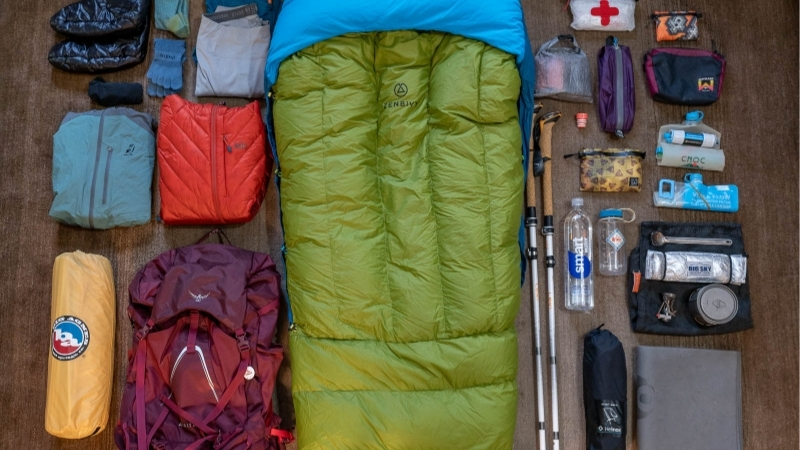
The core of any backpacking gear list is the Big Three, your shelter, sleep system and backpack, which dominate your pack weight. Getting those right first, then adding efficient water and kitchen kit, is the fastest route to a light, comfortable setup without over-optimizing small items.
Start With the Big Three
Shelter, sleep system and pack make up most of your base weight, so they deliver the highest return on any weight or money you invest. A sub-three-pound tent, a light sleeping bag or quilt, and a pack matched to that kit form the foundation everything else builds on. Nail these first.
Buy your pack last, once you know how much the rest of your gear weighs and packs down to, so you can size it correctly. Optimizing the Big Three is the proven path to a lower base weight, which in turn lets you carry a lighter, more comfortable pack. Everything else is refinement.
Dial In Your Sleep System
Your sleep system is a sleeping bag or quilt plus a pad, and both matter. The bag or quilt sets your warmth, rated by temperature, while the pad insulates you from the ground, rated by R-value. Aim for an R-value of at least three for three-season use, higher for cold trips.
Match warmth to your conditions, since a bag too cold ruins a trip and one too warm wastes weight. A quilt saves weight over a mummy bag for many hikers, and a light inflatable pad packs small and warm. Together they are the second pillar of a comfortable backpacking gear list.
Add Efficient Water and Kitchen Kit
Beyond the Big Three, water and cooking are the essentials. A light filter treats water from sources, and a compact canister stove and pot boil water for meals. These are where you can save money without much weight penalty, so you need not splurge here to hit a low base weight.
Keep it simple: a squeeze filter, a small stove, a pot and a spork cover most trips. Add a bear canister where required to protect food and wildlife. Efficient, minimal water and kitchen kit rounds out the list without the weight and cost of the Big Three, so prioritize accordingly.
Weigh Base Weight and Save Smartly
Base weight, your kit before food, water and fuel, is the number that matters. Lowering it makes every mile easier and lets you carry a lighter pack. Invest in the Big Three for the biggest weight savings, and save on cheaper categories like pads, filters and stoves that perform well at lower cost.
A common approach is to spend where weight savings are dearest, the shelter and sleep system, and economize on stoves and filters. That balances budget and base weight. Weigh your loaded kit, target a base weight that suits your goals, and build the list around hitting it comfortably.
Top Picks for Your Backpacking Gear List
These six cover the Big Three plus water and kitchen kit, a complete core setup. This backpacking gear list highlights a top pick for each in the table, then breaks down who each suits and its honest drawbacks.
| Item | Top Pick | Weight | Approx. Price |
|---|---|---|---|
| Backpack | Osprey Exos 58 | ~2 lb 13 oz | Mid |
| Shelter | Big Agnes Copper Spur HV UL2 | ~3 lb | Premium |
| Sleeping bag | REI Co-op Magma 30 | ~1 lb 5 oz | Mid |
| Sleeping pad | Therm-a-Rest NeoAir XLite NXT | ~13 oz | Premium |
| Water filter | Sawyer Squeeze | ~3 oz | Budget |
| Stove | Soto WindMaster | ~3 oz | Mid |
Osprey Exos 58 — Best Backpack
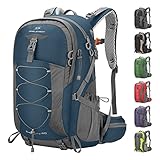
The Exos 58 anchors the pack slot. At about two pounds thirteen ounces it keeps a ventilated trampoline backpanel, four inches of torso adjustment and a padded hipbelt, carrying a light multi-day kit in comfort. Sized to a dialed-in Big Three, it is an easy, lightweight foundation for the list.
Its hipbelt pockets are notably small and its thin fabric tops out near 35 pounds, so keep your base weight low. For hikers who want a comfortable, ventilated lightweight pack to carry their kit, though, it is one of the best. The women’s version is the Eja 58.
Big Agnes Copper Spur HV UL2 — Best Shelter
The Copper Spur HV UL2 is the shelter benchmark. This freestanding, double-wall tent weighs about three pounds, sets up fast with hubbed color-coded poles, and offers two doors and vestibules with generous livability. As the heaviest of the Big Three, a light, roomy tent like this pays off most.
Its thin 15-20D floor is delicate and needs care or a footprint, and it is premium-priced. For backpackers who want a light, livable, easy-to-pitch shelter that lasts years, though, it is the standout. Budget hikers can substitute a heavier value tent to save money on this slot.
REI Co-op Magma 30 — Best Sleeping Bag
The Magma 30 is the value sleep pick. At around a pound and a quarter it delivers a genuine three-season temperature rating and quality down fill at a price well below premium bags, and it is frequently discounted in REI sales. For most backpackers, it is the sweet spot of warmth, weight and value.
As a down bag it needs care to stay dry, and warmth ratings are personal, so cold sleepers may size down in temperature. For three-season trips at a fair price, though, its warmth-to-weight and value are hard to beat. A quilt is a lighter alternative for warm-weather hikers.
Therm-a-Rest NeoAir XLite NXT — Best Sleeping Pad
The NeoAir XLite NXT is the pad benchmark. At about 13 ounces it delivers three-season warmth with an R-value around 4.5, packs to the size of a water bottle, and the latest version is far quieter than before. For comfortable, warm, packable sleep, it is the most popular choice on long trails.
It is pricey, and warm-weather hikers can save with a lower-R-value pad or a cheap foam pad. Carry a patch kit, since inflatables can puncture. For the best warmth-to-weight and packability in a three-season pad, though, it is the standard that others are measured against.
Sawyer Squeeze — Best Water Filter
The Sawyer Squeeze is the water benchmark. At about three ounces it filters to 0.1 microns with a fast flow rate and a lifetime warranty, and it pairs perfectly with a soft dirty-water bag for an easy field system. For treating water on the trail cheaply and reliably, it is the go-to.
It is best for solo hikers, since groups prefer a larger gravity filter, and it must not freeze and needs occasional backflushing. For most backpackers who want a light, dependable, affordable filter, though, it is the standard, and a smart place to save money on the list.
Soto WindMaster — Best Stove
The Soto WindMaster is the kitchen pick. At around three ounces this canister stove actually works in wind, a problem that sidelines cheaper stoves on exposed ridgelines, and it boils water efficiently for meals and hot drinks. For reliable backcountry cooking at low weight, it is a top choice.
It needs a fuel canister and a separate pot, and it is pricier than basic stoves. For hikers who cook in real conditions and want a stove that performs when the wind kicks up, though, it earns its place. Budget hikers can substitute a cheaper stove set to save on this slot.
What Backpacking Gear Costs in 2026
A full backpacking kit spans budget to premium, so timing helps. A couple of current market forces affect what this gear costs and when to buy, without changing which items belong on your list.
Tariffs Pressure Materials
Backpacking gear uses imported fabrics, down and hardware, and tariffs add cost. Brands have described future pricing as a moving target, so if you know the items you want, buying now is reasonable, especially for the Big Three where prices are highest and least likely to fall.
The effect is uneven. Premium shelters and pads hold pricing, while sleeping bags and cheaper kit see more discounting, with the REI Magma often steeply marked down in sales. Value-focused buyers should watch bags, filters and stoves for the best deals.
Buy the Big Three Ahead of Season
Assemble your kit ahead of backpacking season so you can test it before a trip. The Big Three are the priciest items, so timing them to fall sales, Prime Big Deal Days in early October and Black Friday in late November, saves the most, especially on sleeping bags.
Cheaper categories like filters and stoves are inexpensive year-round, so buy those whenever convenient. Prioritize catching sales on the shelter, sleep system and pack, since those are where the dollars, and the weight savings, are concentrated on a backpacking gear list.
Invest in the Big Three, Save Elsewhere
Spend where weight savings are dearest, the shelter and sleep system, and economize on stoves, filters and pads that perform well at lower cost. This balances base weight against budget, letting you hit a light setup without splurging on every item. The Big Three deliver the highest return.
If a key item like a popular tent or bag is prone to selling out or discounting seasonally, buy it during a sale window rather than at full price later. Building the list smartly, investing in the Big Three and saving on the rest, gets you a light, comfortable kit for less.
Frequently Asked Questions
These are the questions hikers ask most about building a kit.
What is the Big Three on a backpacking gear list?
Shelter, sleep system and backpack. These dominate a backpacking gear list’s weight, so getting them right first delivers the biggest weight savings and comfort gains. Buy the pack last, once you know how much the rest of your gear weighs, so you can size it correctly.
How much should my base weight be?
It depends on your goals, but many backpackers target a base weight, kit before food, water and fuel, under about 20 pounds, with ultralighters aiming under 10. Optimizing the Big Three is the fastest way to lower it, since they make up most of the weight you carry.
Bag or quilt for sleeping?
Both work. A mummy bag offers full coverage and a hood for cold nights, while a quilt saves weight and packs smaller by dropping the crushed insulation under you. Warm sleepers and weight-conscious hikers often prefer quilts, while cold sleepers may favor a hooded bag.
Where should I save money on gear?
On the cheaper categories, pads, filters and stoves, which perform well at lower cost. Invest your budget in the Big Three, where weight savings are dearest, and economize elsewhere. A budget foam pad, a Sawyer filter and a simple stove keep costs down without much weight penalty.
See More:
- Best hiking backpack
- Best backpacking backpack
- Ultralight hiking backpack
- Best hydration backpack
- Best hiking backpack for women
Final Thoughts
A smart backpacking gear list starts with the Big Three, shelter, sleep system and pack, then adds efficient water and kitchen kit. The Copper Spur, Magma 30 and NeoAir XLite anchor a light, comfortable setup, while the Sawyer Squeeze and Soto WindMaster keep it affordable. Invest in the Big Three, save on the rest, and you will build a kit that carries light and sleeps well.

Write Your Review
No reviews yet. Be the first to share your experience!