
Key takeaways
Backpack ventilation guide basics can transform a hot, sweaty hike into a comfortable one: the right backpanel keeps air moving against your back. This guide explains how ventilation systems work, then names six top airflow packs to keep you cooler.
As an Amazon Associate we earn from qualifying purchases.
Our top picks


As an Amazon Associate we earn from qualifying purchases at no extra cost to you. Ratings are shown as listed on Amazon.
By Jake Thompson
How to Use This Backpack Ventilation Guide
The core of any backpack ventilation guide is understanding backpanel types and the airflow-versus-stability tradeoff. Suspended-mesh panels maximize cooling, while contact panels hug closer for load control, so matching the system to your climate and loads is the key to a cooler, comfortable carry.
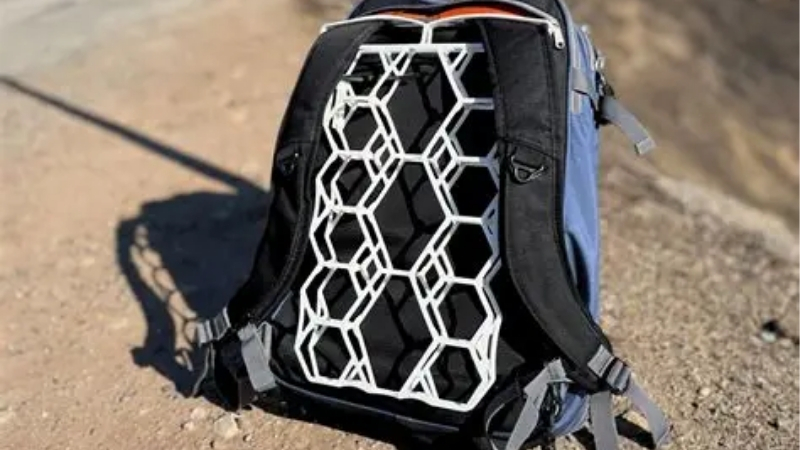
Know the Backpanel Types
Three main designs exist. Suspended-mesh, or trampoline, backpanels like Osprey’s AntiGravity hold the pack off your back with a taut mesh, maximizing airflow. Ventilated-foam contact panels add channels and mesh over foam that touches your back. Hanging-mesh systems, like Deuter’s Aircomfort, sit farthest off the back.
Each cools differently. Suspended-mesh and hanging-mesh designs move the most air by creating a gap between you and the pack, while channeled-foam panels breathe less but sit closer. Knowing these types is the first step to choosing a pack that keeps you cool for your conditions.
Weigh Airflow Against Stability
Ventilation has a tradeoff. Suspended-mesh panels that arch the pack away from your back cool best but push the load’s center of gravity outward, which can feel less stable and less controlled with heavy loads on technical terrain. Contact panels keep the load closer and more stable but breathe less.
Match the balance to your loads. Hot-weather hikers with moderate loads benefit most from maximum airflow, while those carrying heavy loads over rough ground may prefer a closer, more stable contact system. Decide whether cooling or load control matters more for your typical hikes.
Match Ventilation to Your Climate
Ventilation matters most in hot, humid conditions where a sweaty back is miserable and even chilling on breaks. In cool climates, a slightly warmer contact panel is rarely a problem and offers better stability. Match the ventilation level to where and when you hike for the best comfort.
Consider your personal tendency to overheat too. Hikers who run hot or sweat heavily benefit from the most ventilated designs regardless of climate, while those who rarely overheat can prioritize load control. Ventilation is about comfort, so weigh it against your body and your typical conditions.
Manage Sweat Beyond the Backpanel
A ventilated pack helps, but sweat management goes further. Moisture-wicking shirts, taking layers off before you overheat, and loosening the pack on breaks all help your back stay drier. Even the airiest backpanel cannot fully eliminate back sweat on a hard, hot climb, so pair it with good habits.
A suspended-mesh pack plus a wicking shirt is a powerful combination for hot hikes. Do not expect ventilation alone to keep you bone dry, but the right backpanel dramatically reduces the heat and sweat that build against your back, which is exactly what this guide helps you dial in.
Top Picks From This Backpack Ventilation Guide
These six lead the field for airflow, from suspended-mesh haulers to hanging-mesh trekking packs. This backpack ventilation guide lays out the specs in the table, then breaks down who each pick suits and its honest drawbacks.
| Model | Capacity | Ventilation System | Best For | Price Tier |
|---|---|---|---|---|
| Osprey Atmos AG 65 | 65L | AntiGravity suspended mesh | Ventilated multi-day | Premium |
| Deuter Futura Air Trek 50+10 | 50+10L | Aircomfort hanging mesh | Maximum airflow | Premium |
| Gregory Zulu 65 | 65L | FreeFloat suspended mesh | Ventilated value | Mid |
| Osprey Exos 58 | 58L | AirSpeed trampoline mesh | Lightweight airflow | Mid |
| Gregory Focal 58 | 58L | FreeFloat suspended mesh | Lightweight ventilated | Mid |
| Osprey Stratos 34 | 34L | AirSpeed suspended mesh | Ventilated day hikes | Mid |
Osprey Atmos AG 65 — Best Ventilated Multi-Day
The Atmos AG 65 sets the ventilation benchmark. Its AntiGravity suspended-mesh backpanel wraps from back to hipbelt, holding the pack off your body so air flows freely, and it pairs that cooling with a comfortable, adjustable fit and durable build. For hot multi-day trips, it is the standout.
The suspended panel pushes the load slightly outward, so it feels less stable than contact packs under very heavy loads, and it runs over four and a half pounds. For hikers who prioritize a cool, comfortable back on multi-day trips, though, it is the most well-rounded pick. The women’s version is the Aura AG 65.
Deuter Futura Air Trek 50+10 — Best Maximum Airflow
The Futura Air Trek offers the most extreme ventilation. Its Aircomfort hanging-mesh backpanel sits well off your back, farther than most, so air moves freely across your entire back, and it adds full organization and an included rain cover. For hikers who overheat badly, its airflow is unmatched.
The hanging panel sits about two inches off your body, a polarizing look that pushes the load outward and adds weight at around four and a half pounds. For hot-weather trekkers who prioritize maximum cooling above all, though, it is the airiest pick here. The women’s version is the 45+10 SL.
Gregory Zulu 65 — Best Ventilated Value
The Zulu 65 delivers strong ventilation at a mid price. Its FreeFloat suspended-mesh backpanel keeps you cool over long, hot miles, and it pairs that airflow with multiple access points and a comfortable carry at around three and three-quarter pounds. For value-focused hot-weather hikers, it is a smart pick.
Its ventilation, while good, is not quite class-leading, and it lacks an included rain cover. For hikers who want a cool, comfortable, well-organized ventilated pack without a premium price, though, it is an excellent value. The women’s version is the Jade 63.
Osprey Exos 58 — Best Lightweight Airflow
The Exos 58 pairs ventilation with low weight. Its AirSpeed trampoline-mesh backpanel holds the pack off your back for airflow, yet the whole pack weighs about two pounds thirteen ounces, making it a favorite for hot-weather thru-hikers who want to stay cool without carrying a heavy pack.
Its thin fabric tops out near 35 pounds and its hipbelt pockets are notably small. For weight-conscious hikers who want a cool, ventilated back on long, hot trails without the weight of a plush pack, though, it is one of the best. The women’s version is the Eja 58.
Gregory Focal 58 — Best Lightweight Ventilated
The Focal 58 is Gregory’s ventilated lightweight pick and a strong Exos rival. At around two and a half pounds it pairs a FreeFloat suspended-mesh backpanel with a pre-curved hipbelt and roomy hipbelt pockets, keeping you cool on hot miles with a simple, easy-to-pack design that vents well.
Its wire frame maxes out around 30-35 pounds, its thin nylon is less durable, and it lacks torso adjustability, so fit matters. For weight-conscious hikers who want ventilation and roomy pockets on hot trails, though, it is excellent. The women’s version is the Facet 55.
Osprey Stratos 34 — Best Ventilated Day Hikes
The Stratos 34 brings suspended-mesh cooling to day hikes. Its AirSpeed suspended-mesh backpanel holds the pack off your back for airflow, and it adds a ventilated hipbelt, an included rain cover and a hydration sleeve, keeping day hikers cool and comfortable on hot afternoons. For sweaty day hikes, it excels.
The suspended panel adds a little weight and bulk for a daypack, so gram-counters may prefer a simpler pack. For day and fast-overnight hikers who prioritize a cool, dry back in the heat, though, its ventilation and features make it a top pick. The women’s version is the Sirrus 34.
What Ventilated Pack Prices Look Like in 2026
Ventilated packs span mid to premium, so timing helps. A couple of current market forces affect what these packs cost and when to buy, without changing which system fits your climate.
Tariffs Still Pressure Materials
Ventilated packs use imported nylon, mesh and aluminum frame elements, and metal tariffs remain in place. Brands have described future pricing as a moving target, so committing to a model you already like, rather than waiting indefinitely, is a reasonable call this year.
The effect is uneven. Premium ventilated models have largely held pricing, while mid-tier packs see more discounting as retailers clear pre-tariff inventory. Value-focused buyers should watch the Zulu, Exos and Stratos for closeouts.
Buy Ahead of Hot-Weather Season
Ventilated packs matter most in summer, so buying ahead of hot-weather trips ensures you get the size you want and can test the fit. Fall sale events like Prime Big Deal Days in early October and Black Friday and Cyber Monday in late November bring the deepest discounts.
Buying in the off-season can save money on a pack you will use next summer. Confirm the ventilation system and fit suit you first, then track prices into fall, so you head into hot-weather season with a cool-carrying pack at a good price.
Match Spend to Your Climate
Spend on ventilation where it counts for your conditions. Hikers in hot, humid climates get real value from a premium suspended-mesh pack, while those in cooler regions can prioritize load control and save. Match the pack’s price and ventilation to how much you actually overheat.
If a specific model or size is prone to selling out, buy early rather than gambling on peak-season stock. Missing the right size before summer costs more than a small discount, especially in popular ventilated models that thin out ahead of hiking season.
Frequently Asked Questions
These are the questions hikers ask most about pack ventilation.
What does this backpack ventilation guide say works best?
Suspended-mesh backpanels move the most air. This backpack ventilation guide rates trampoline and hanging-mesh systems, like Osprey’s AntiGravity and Deuter’s Aircomfort, as the coolest, since they hold the pack off your back. The tradeoff is a slightly less stable carry under heavy loads.
Does a ventilated backpack really keep you cooler?
Yes, noticeably. A suspended-mesh backpanel creates a gap that lets air flow against your back, cutting the heat and sweat that build with a pack pressed to your body. It will not keep you bone dry on a hard climb, but it dramatically improves comfort in hot, humid conditions.
What is the downside of a ventilated pack?
Stability and sometimes weight. Suspended-mesh panels arch the pack away from your back, pushing the load’s center of gravity outward, which can feel less stable with heavy loads on technical terrain. They can also add a little weight, so weigh airflow against load control for your hikes.
Which ventilation system is best for heavy loads?
A closer contact system often carries heavy loads more stably than a fully suspended panel, but the best suspended-mesh packs like the Atmos still handle moderate multi-day loads well. For very heavy loads on rough terrain, prioritize a stable, close-fitting suspension over maximum airflow.
See More:
- Best hiking backpack
- Best backpacking backpack
- Ultralight hiking backpack
- Best hydration backpack
- Best hiking backpack for women
Final Thoughts
This backpack ventilation guide comes down to matching a backpanel to your climate and loads. The Atmos AG 65 leads for ventilated multi-day trips, the Futura Air Trek moves the most air, and the Stratos 34 cools day hikes. Weigh airflow against stability, pair a ventilated pack with good sweat habits, then time a sale, and you will hike cooler on hot trails.



Write Your Review
No reviews yet. Be the first to share your experience!