
Key takeaways
Carry on hiking backpack shopping means finding one bag that fits the overhead bin and still carries comfortably on the trail. This guide compares six top travel packs by capacity, airline fit, organization and comfort so you can travel one-bag and hike on arrival.
As an Amazon Associate we earn from qualifying purchases.
Our top picks


As an Amazon Associate we earn from qualifying purchases at no extra cost to you. Ratings are shown as listed on Amazon.
By Jake Thompson
How to Choose a Carry On Hiking Backpack
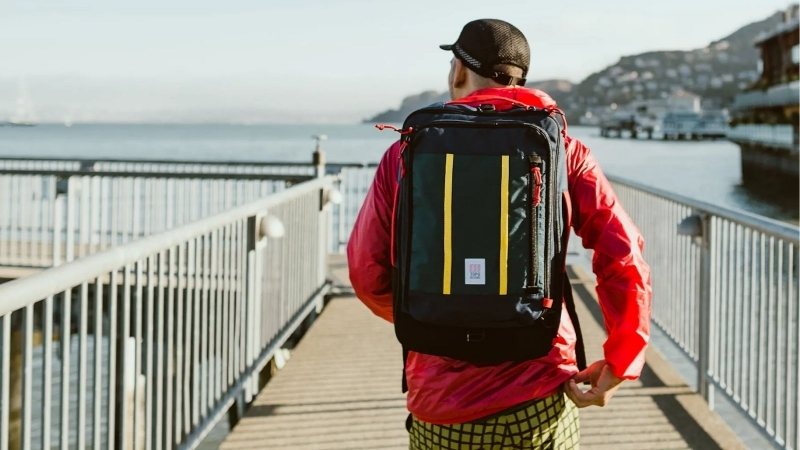
A carry on hiking backpack has to do two jobs: pass as airline carry-on luggage and carry like a real pack on trails. The choice comes down to capacity, airline-legal dimensions, travel organization and trail comfort, so match those to how you split time between transit and hiking.
Confirm Airline-Legal Dimensions
Carry-on size limits are about dimensions, not just liters, and they vary by airline. Most carriers accept bags around 22 by 14 by 9 inches, and packs in the 40-45 liter range usually fit if they compress. Always check your specific airline’s limit, since budget carriers enforce stricter rules.
Do not assume 40 liters guarantees a fit, since exterior dimensions matter most. Compare a pack’s published size to your airline’s cabin allowance, and favor packs that compress. A bag that expands past the limit when full can force a gate check, defeating the point of traveling carry-on.
Prioritize Travel Organization
The best travel packs open flat like a suitcase. A clamshell design that unzips on three sides gives far better access and packing than a top-loading hiking tube, and internal mesh dividers and compression straps keep clothes sorted and secure. This is the biggest difference from a trail pack.
Look for a laptop or tablet sleeve, lockable zippers for security, and stowaway shoulder straps that tuck away for check-in or handling. These travel features make a pack far easier to live out of on the road, which matters as much as trail performance for a one-bag traveler.
Check Trail Comfort and Suspension
Travel packs vary in how well they carry on trail. Some, like the Farpoint, use a real frame, load lifters and a breathable backpanel that rival a hiking pack, while others prioritize organization over suspension. If you plan real day hikes, prioritize a supportive, ventilated carry.
Consider a detachable daypack, included on several travel packs, which handles day hikes and doubles as a personal item under the seat. Match the suspension to your hiking plans, since a pack that carries poorly on trail undercuts the whole idea of a hiking-capable travel bag.
Weigh Durability and Value
Travel packs take airport and trail abuse, so durable, coated fabrics like the Allpa’s 840-denier shell resist scuffs and light rain. Weigh that durability and features against price, which spans budget crossovers to premium one-bag specialists, and match the spend to how often you travel.
Frequent one-bag travelers get real value from a refined, durable pack, while occasional trippers can save with a budget crossover. A common tip is to pack the bag and walk your neighborhood for an hour before a trip, surfacing comfort and organization gaps before they matter.
Top Picks: The Best Carry On Hiking Backpack for One-Bag Travel
These six span budget trail-and-travel crossovers to premium one-bag specialists, all in the carry-on range. The right carry on hiking backpack depends on your travel-to-trail mix, so scan the table, then read each pick for who it suits and its honest drawbacks.
| Model | Capacity | Weight | Best For | Price Tier |
|---|---|---|---|---|
| Osprey Farpoint 40 | 40L | ~3 lb 8 oz | Best overall value | Mid |
| Cotopaxi Allpa 35 | 35L | ~3 lb 8 oz | Organization | Mid |
| REI Co-op Ruckpack 40 | 40L | ~3 lb 5 oz | Budget crossover | Budget |
| Tortuga Travel Backpack 40 | 40L | ~4 lb | Frequent travelers | Premium |
| Peak Design Travel 45 | 30-45L | ~4 lb 8 oz | Tech and cameras | Premium |
| Gregory Zulu 45 | 45L | ~3 lb | Trail-heavy travel | Mid |
Osprey Farpoint 40 — Best Overall Value
The Farpoint 40 is the do-everything travel pick. Its 22-by-14-by-9-inch clamshell meets most carry-on limits, and a LightWire frame, load lifters and breathable backpanel give it hiking-level comfort rare in a travel bag. Stowaway straps and a lifetime guarantee round it out at a fair price.
Its interior is fairly open with fewer dedicated pockets than some rivals, and the backpanel gets warm when fully loaded. For most travelers who want real trail comfort and one-bag versatility without a premium price, though, it is the safest starting point. The women’s version is the Fairview 40.
Cotopaxi Allpa 35 — Best for Organization
The Allpa 35 is the organization champion. Its full clamshell unzips on three sides to zippered mesh dividers that keep everything visible and secure, and its 840-denier TPU-coated shell shrugs off scuffs and light rain. For travelers who want a suitcase-like packing experience, it is unbeatable.
It is a bit heavy for its size, its harness is tuned more for transit than long trail miles, and it sits at a mid-to-premium price. For one-bag travelers who prioritize organization and durability over a hiking-grade suspension, though, it is a standout. It also comes in 28, 42 and 50-liter sizes.
REI Co-op Ruckpack 40 — Best Budget Crossover
The Ruckpack 40 bridges trail and travel affordably. Its panel-loading clamshell and laptop sleeve handle travel, while enough trail features let it manage light hikes, and a bladder-friendly sleeve with a tube port adds versatility. For hikers who want one budget-friendly bag for trips and travel, it delivers.
It is not a true internal-frame hauler for heavy loads, no water bladder is included, and its suspension is modest next to dedicated hiking packs. As a durable, versatile crossover at a budget price, though, its dual-purpose design genuinely bridges city and trail worlds.
Tortuga Travel Backpack 40 — Best for Frequent Travelers
The Tortuga 40L is the refined one-bag specialist. It has more dedicated pockets, better compression and a more polished packing system than most rivals, and it carries transit days comfortably, which frequent one-bag travelers appreciate after their third or fourth trip. It is built for people who live out of a bag.
It is expensive, heavier than lighter rivals, and its boxy, travel-first shape is less trail-optimized than a hiking crossover. For frequent travelers who log serious transit days and want the most refined packing and carry, though, it justifies its premium. A lighter Travel Lite version also exists.
Peak Design Travel 45 — Best for Tech and Cameras
The Peak Design Travel 45 is the pick for gear-heavy travelers. It expands from 30 to 45 liters, packs a refined organization system, and pairs with camera cubes and accessories for photographers and tech travelers who need one bag to compress for a weekend or expand for two weeks. It is superbly built.
It is premium-priced and one of the heavier bags here, and its tech focus is overkill for simple trips. For photographers and one-bag travelers who carry cameras or a lot of electronics and want modular organization, though, it earns every dollar of its price with its versatility.
Gregory Zulu 45 — Best for Trail-Heavy Travel
The Zulu 45 is the pick when hiking dominates the trip. It is a genuine ventilated hiking pack in a travel-friendly size, with a FreeFloat suspended-mesh backpanel that keeps you cool on real trail miles, so it carries far better on trail than most travel-first bags. For hiking-led travel, it excels.
As a repurposed trekking pack it is top-loading with less travel-style organization and no lockable clamshell, so it packs less like a suitcase. For travelers whose trips are trail-heavy and who value hiking comfort over suitcase-style packing, though, it is the natural choice. The women’s version is the Jade 43.
What Travel Pack Prices Look Like in 2026
Carry-on travel packs span budget to premium, so timing helps. A couple of current market forces affect what these packs cost and when to buy, without changing which fits your travel style.
Tariffs Still Pressure Materials
Travel packs use imported coated nylons and frame elements, and metal tariffs remain in place. Brands have described future pricing as a moving target, so committing to a model you already like, rather than waiting indefinitely, is a reasonable call this year.
The effect is uneven. Premium one-bag specialists have largely held pricing, while mid-tier crossovers see more discounting. Value-focused buyers should watch the Farpoint and Ruckpack for closeouts, which are already strong values.
Buy Ahead of Trip Season
Travel packs sell hardest ahead of summer and holiday travel, so buying early ensures you get the size and color you want and can test-pack it. Walking your neighborhood with the loaded bag before a trip surfaces comfort and organization issues while you can still exchange it.
The fall calendar rewards patience, with Prime Big Deal Days in early October and Black Friday and Cyber Monday in late November offering the deepest discounts. Confirm the pack fits your airline’s limits first, then track prices so you can buy at the right time.
Match Spend to Your Travel
Spend where it counts for your trips. Frequent one-bag travelers get real value from a refined pack like the Tortuga or Peak Design, while occasional trippers do well with the budget-friendly Farpoint or Ruckpack. Match the pack’s price to how often and how you travel.
If a specific size or color is prone to selling out, buy early rather than gambling on peak-season stock. Missing the right pack before a trip costs more than a small discount, especially for models that sell out ahead of holiday travel.
Frequently Asked Questions
These are the questions travelers ask most about hiking-capable carry-ons.
What size carry on hiking backpack fits airline limits?
Most carriers accept bags around 22 by 14 by 9 inches, and a carry on hiking backpack in the 40-45 liter range usually fits if it compresses. Limits are about dimensions, not liters, and vary by airline, so always check your specific carrier before assuming a pack will fit the bin.
Can a travel pack really hike well?
Some can. Packs like the Farpoint use a real frame, load lifters and a breathable backpanel that rival hiking packs, and trekking-based packs like the Zulu carry excellently on trail. Organization-first travel bags carry less well loaded, so match the pack to how much you plan to hike.
Are clamshell travel packs better than top-loaders?
For travel, usually yes. A clamshell that opens flat on three sides packs and accesses like a suitcase, which is far easier when living out of a bag. Top-loading hiking packs are better on trail but harder to organize for travel, so clamshells suit travel-heavy trips best.
Do I need lockable zippers?
They add security for travel, letting you lock the main compartment in transit or in a hostel. Not every pack has them, so if security matters, prioritize a travel pack with lockable clamshell zippers. Combined with stowaway straps, they make a pack far more travel-friendly.
See More:
- Best hiking backpack
- Best backpacking backpack
- Ultralight hiking backpack
- Best hydration backpack
- Best hiking backpack for women
Final Thoughts
The best carry on hiking backpack balances airline-legal size, suitcase-style organization and real trail comfort. The Farpoint 40 is the do-everything value pick, the Allpa 35 wins on organization, and the Zulu 45 carries best on trail-heavy trips. Confirm the pack fits your airline, match its features to your travel-to-trail mix, then time a sale, and one bag can cover it all.


Write Your Review
No reviews yet. Be the first to share your experience!