
The best water bottle keeps water cold, resists odors, and survives daily drops, whether you are hiking, commuting, or traveling. This roundup compares six top bottles across insulated steel, Tritan plastic, and filtered designs by capacity, weight, and lid, and notes how tariffs are shaping 2026 gear prices.
Our top picks



As an Amazon Associate we earn from qualifying purchases at no extra cost to you.
As an Amazon Associate we earn from qualifying purchases.
🛒 Best Price Today on Amazon
Prime members get fast, free shipping on everything above, plus member-only deals. New members get a 30-day free trial — cancel anytime.
How to Choose the Best Water Bottle
Finding the best water bottle starts with material, then capacity, lid style, and cleaning. Some bottles are US-made and others imported, so 2025-2026 tariffs affect prices unevenly, and a durable bottle you keep for years is the clear value in a rising-price market.
Material: Steel, Plastic, or Filtered
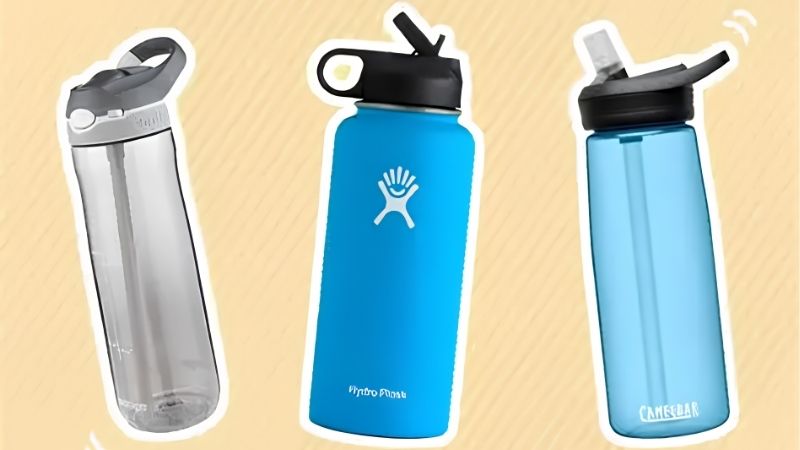
Insulated stainless steel keeps drinks cold for hours and resists odors, but costs more and weighs more. BPA-free Tritan plastic is light, cheap, and shatterproof but does not insulate. Filtered bottles improve questionable tap water at the cost of a replaceable cartridge.
Match the material to your use. Steel suits hot days and long shifts when you want cold water; plastic suits weight-counting hikers and gyms; filtered bottles suit travel and campgrounds with iffy taps. Many people own more than one for different jobs.
Whatever the material, choose a reputable, clearly labeled BPA- and BPS-free bottle. Avoid unlabeled bargain plastics and never reuse single-use disposable bottles, which can degrade over time and are not built for repeated daily use in the field.
Capacity and Weight
A 32 oz (1 L) bottle is the do-everything standard, balancing enough water between refills against manageable weight. Commuters often prefer 24 oz, while desert hikers carry two liters or more spread across a couple of bottles.
Weight varies a lot by material: a 32 oz plastic bottle weighs around 6 oz empty, while an insulated steel one can weigh two to three times that. Factor the empty weight into your pack if you count grams on the trail.
Bigger is not always better for daily carry. A giant bottle is heavy and awkward in a bag, so size it to how much you actually drink between refills rather than the largest option, especially where water sources are easy to reach.
Lid and Drink Style
Lid choice shapes daily use. Screw caps are simplest and most leakproof but need two hands; flip and straw lids let you sip one-handed; push-button spouts auto-seal for spill-proof packing; wide mouths take ice and inline filters.
More moving parts mean easier drinking but more cleaning and more failure points. Pick the simplest lid that suits how you drink, whether that is chugging at breaks or sipping steadily while walking, driving, or working at a desk.
If you filter backcountry water, a wide-mouth bottle that accepts common inline or gravity filters is far more useful than a fancy spout you cannot attach anything to. Threading compatibility matters more than it first appears for trail use.
Durability and Cleaning
Plastic shrugs off drops that dent steel, but any bottle with straws, valves, and gaskets needs regular cleaning to avoid mildew and odor. A bottle brush and a thin straw brush keep the hard-to-reach parts fresh between trips.
Dry bottles fully with the cap off between uses, and top-rack dishwasher safety makes upkeep easier. Insulated steel resists odors best, while plastic can retain smells if not dried well, so cleaning habits matter as much as the material.
Durability is also a value play. Steel bottles and their components are largely imported and exposed to 2025-2026 tariffs, while US-made Nalgene is less affected. A tough bottle you keep for years beats replacing cheap ones each season.
Top Picks for the Best Water Bottle
These six picks for the best water bottle span insulated steel, Tritan plastic, and filtered designs for hiking, work, and travel. The table compares material, capacity, and lid, and each review adds who it suits plus one honest drawback.
| Bottle | Material | Capacity | Lid | Best For |
|---|---|---|---|---|
| Hydro Flask Wide Mouth | Insulated steel | 32 oz | Screw cap | Cold all day |
| Nalgene Wide Mouth | Tritan plastic | 32 oz | Screw cap | Durability |
| YETI Rambler | Insulated steel | 26/36 oz | Chug cap | Rugged use |
| Owala FreeSip | Steel/plastic | 24/32 oz | Sip + straw | Everyday |
| CamelBak Chute Mag | Tritan plastic | 32 oz | Magnetic spout | Lightweight |
| LifeStraw Go | Filtered | 22/34 oz | Straw + filter | Travel |
Hydro Flask Wide Mouth 32 oz — Best Overall
The Hydro Flask Wide Mouth uses double-wall vacuum insulation to keep water cold for up to 24 hours, in a durable 18/8 steel body. The wide mouth takes ice and most filters, making it a versatile do-everything bottle for hikes and long days.
It is heavier and pricier than plastic, and the powder coat can chip if dropped on rock. For all-day cold water and everyday versatility, though, it is the standout overall pick.
Nalgene Wide Mouth 32 oz — Best Durability
The Nalgene Wide Mouth is nearly indestructible BPA-free Tritan, weighs about 6.25 oz empty, and the wide mouth fits ice and most inline filters. As a US-made bottle, it is also less exposed to import tariffs than steel rivals.
It does not insulate, so water warms in the sun, and the wide opening can gulp if tipped fast. For lightweight durability and value, though, it is the trail benchmark.
YETI Rambler — Best for Rugged Use
The YETI Rambler is a heavy-duty insulated steel bottle built to survive abuse, with strong insulation and a durable chug cap for easy drinking. It is a favorite for trucks, job sites, and rough camping where a bottle takes a beating.
It is among the heaviest and most expensive here, and overkill for gram-counting hikers. For rugged, everyday-abuse durability with cold retention, though, it is exceptionally tough.
Owala FreeSip — Best Everyday
The Owala FreeSip offers both a straw sip and a chug spout through one lid, with a lock button and insulated versions. Its convenient drinking and fun colors have made it a runaway everyday favorite for work and school.
The lid has more parts to clean and can trap grime in the straw. For easy, versatile everyday sipping, though, few bottles are as pleasant to use day to day.
CamelBak Chute Mag — Best Lightweight
The Chute Mag pairs a light Tritan Renew body with an angled spout for controlled sipping and a magnetic cap that stows out of the way. It is leakproof when closed and easy to drink from on the move without unscrewing a full cap.
Being plastic, it does not insulate and can retain odors if not dried well. For a light, easy-sipping bottle at a fair price, though, it is a well-rounded choice.
LifeStraw Go — Best for Travel
The LifeStraw Go builds a hollow-fiber filter into the straw, letting you drink safely from sketchy taps and even many freshwater sources on the go. It is a genuine travel and emergency bottle that removes bacteria and parasites as you sip.
The filter needs periodic replacement and adds drinking resistance, and it does not insulate. For travel to areas with questionable water, though, the built-in protection is invaluable.
Frequently Asked Questions
Still choosing the best water bottle? These quick answers cover the common questions about materials, insulation, and long-term care.
Is stainless steel or plastic the best water bottle?
Steel keeps drinks cold for hours and resists odors but weighs more and costs more; Tritan plastic is lighter, cheaper, and shatterproof but does not insulate. Choose steel for cold retention and plastic for weight and value, based on your main use. Many people simply own one of each and grab whichever suits the day.
How many ounces should a water bottle be?
A 32 oz (1 L) bottle suits most hikers and workdays, balancing capacity and weight. Commuters often prefer 24 oz for portability, while desert hikers carry two liters or more across multiple bottles to cover long stretches between water sources.
Are filtered water bottles worth it?
For travel to areas with unsafe tap water or for treating freshwater sources, a filtered bottle like the LifeStraw Go adds real safety. For clean municipal water at home, though, a simple steel or plastic bottle is lighter and cheaper. Remember a filter improves safety and taste but adds a little drinking resistance.
Are water bottle prices going up?
Imported steel bottles have felt 2025-2026 tariff pressure, while US-made Nalgene is less exposed. Buying during sales still helps, and a durable bottle you keep for years is the best value regardless of trade policy. Off-season sales are the simplest way to save on a pricier steel bottle.
See More:
- Best backpack for travel
- Best backpack for traveling
- Best backpack for trips
- Best portable air cooler
Final Thoughts on the Best Water Bottle
The best water bottle is the one that matches your day: insulated steel like the Hydro Flask for all-day cold, tough Tritan like the Nalgene for lightweight value, or the LifeStraw Go for travel. Pick the material for your main use, keep it clean, and shop the sales as tariffs push prices up, and one good bottle will serve you for years.


Write Your Review
No reviews yet. Be the first to share your experience!