
Key takeaways
Best lightweight backpack for travel here means the main bag rather than a packable day sack, and that changes the trade-offs entirely. This guide covers where the weight in a normal travel pack actually sits, what structure you give up to remove it, and five main packs that stay near or under three pounds empty.
Our top picks


As an Amazon Associate we earn from qualifying purchases at no extra cost to you.
As an Amazon Associate we earn from qualifying purchases.
🛒 Best Price Today on Amazon
Prime members get fast, free shipping on everything above, plus member-only deals. New members get a 30-day free trial — cancel anytime.
How to Choose the Best Lightweight Backpack for Travel
Most travel packs weigh three and a half to five pounds empty, which is meaningful when several European carriers enforce a cabin allowance of seven to ten kilograms. The best lightweight backpack for travel claws back one or two of those pounds, and it is worth knowing what pays for that.
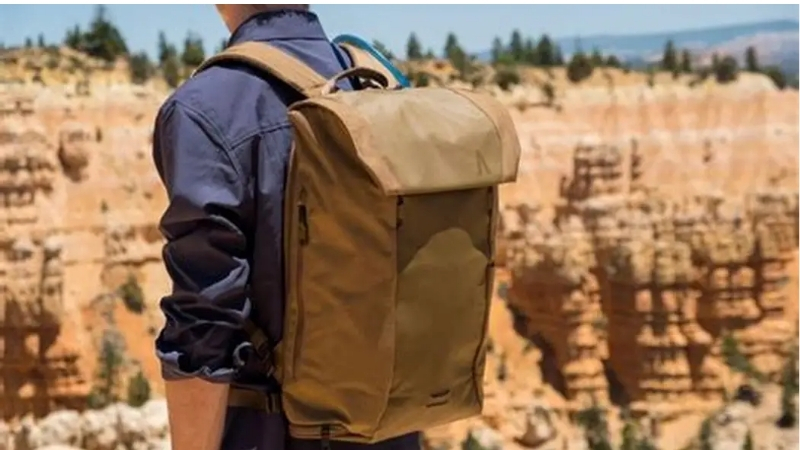
Know Where the Weight in a Pack Actually Sits
Heavy fabric is the largest single contributor, with high-denier nylon and coated shells adding substantially over lighter ripstop. Frame stays, moulded back panels, thick hip belt padding and multiple lockable zips follow, and every organiser pocket adds fabric, zip and stitching of its own.
Weight reduction therefore comes from removing structure rather than from clever design. That is why ultralight packs are usually simpler, with fewer compartments, thinner fabric and a minimal harness. Understanding the mechanism makes it obvious what you are trading away when you save a pound.
Decide Which Structure You Can Live Without
A frame and load-bearing hip belt are what make heavy loads comfortable. If your total packed weight stays under about eight kilograms, you genuinely do not need them, and a frameless pack with padded straps carries perfectly well. Above that, removing the frame becomes a false economy.
Organisation is easier to give up. Packing cubes replace built-in compartments at a fraction of the weight and cost, and they let you reconfigure between trips. Lockable zips are worth keeping regardless, since they weigh almost nothing and address the most realistic security risk.
Match Fabric Weight to How Rough the Trip Is
Thirty to seventy denier ripstop is light and survives ordinary travel for years, provided the pack is not routinely dragged across stone or thrown into coach holds. Ripstop weave matters as much as the number, because the grid pattern stops a puncture running into a full tear.
Below about thirty denier, weight savings become marginal while puncture risk rises sharply. Above about a hundred, you are carrying durability you probably do not need for city travel. The practical band for a light main pack sits in the middle, which is where most of these options land.
Top Picks for the Best Lightweight Backpack for Travel
The best lightweight backpack for travel options below all serve as a main bag while staying near or under three pounds empty. The table compares weight against capacity, then each entry explains the load it handles comfortably and the structure it gave up to get there.
| Pack | Capacity | Approx empty weight | Frame | Best for |
|---|---|---|---|---|
| Osprey Exos 48 | 48 L | Around 2.6 lb | Peripheral frame | Light loads, big volume |
| Osprey Talon 33 | 33 L | Around 2 lb | Light framesheet | Compact one-bag |
| Granite Gear Crown3 60 | 60 L | Around 2.2 lb | Removable frame | Maximum volume per pound |
| Cotopaxi Allpa 35L | 35 L | Around 3.5 lb | Structured panel | Organisation |
| Naturehike 45L Ultralight | 45 L | Light | Minimal | Lowest cost |
Osprey Exos 48
The Exos delivers forty-eight litres at around two and a half pounds, which is remarkable for a pack with a genuine peripheral frame and a ventilated mesh back panel. That frame means it still carries eight or nine kilograms comfortably rather than collapsing into your back like a frameless sack.
It is a top loader designed for hiking, so daily access in a hostel means unpacking from the top. The thin fabric needs care around rough surfaces, and external straps snag on luggage racks. For travel that includes real walking days, the weight to comfort ratio is exceptional.
Osprey Talon 33
At around two pounds for thirty-three litres, the Talon is light enough to forget about while still offering a proper hip belt, a light framesheet and ventilated back panel. Thirty-three litres suits disciplined one-bag travel where laundry happens weekly and layers replace separate wardrobes.
Organisation is minimal, and the top-loading design with a side zip is less convenient than a clamshell for living out of. The size will not stretch to bulky gear. As a light main pack for someone who has already committed to packing sparingly, it is very hard to beat.
Granite Gear Crown3 60
The Crown3 offers sixty litres at roughly two and a quarter pounds, which is the best volume per pound here by a wide margin. The frame sheet is removable, so you can strip weight further for light loads, and the roll-top design compresses down when the pack is only half full.
Sixty litres invites overpacking, which then has to be carried by a minimal harness that is not designed for heavy loads. The thin fabric is vulnerable to abrasion and it is unmistakably a hiking pack. For travellers who need volume for bulky gear but refuse to carry weight, it is ideal.
Cotopaxi Allpa 35L
The Allpa is the heaviest option here at around three and a half pounds, and it earns that with a full clamshell opening, mesh-covered internal compartments and a TPU-coated shell that shrugs off rain and station floors. It is the most livable pack on this list by a clear margin.
That weight is a real cost against a strict cabin allowance, and the harness is simpler than Osprey’s despite the extra pounds. Thirty-five litres is tight beyond a fortnight without laundry. If organisation matters more to you than the last pound, this is the sensible compromise.
Naturehike 45L Ultralight
The Naturehike is the budget entry, offering large capacity at low weight and low cost by stripping out almost all structure. For a single trip where the pack carries light bulky items rather than dense heavy ones, it does the job at a fraction of the price of branded alternatives.
The harness is minimal, the fabric is thin, and the zips and seams are the first components to fail under load. It will not last years of hard travel. As a way to test whether lightweight travel suits you before spending properly, it answers that question cheaply.
Costs and Cabin Weight Limits
Ultralight fabrics have seen some of the sharpest increases in the sector, so the best lightweight backpack for travel category has moved on price. Cabin weight allowances also make this a practical rather than theoretical concern, particularly across European budget carriers.
Lightweight Fabrics Have Risen Fastest
Industry reporting puts the broad tariff-driven cost increase across outdoor goods at roughly 7.7 percent, while high-tenacity nylon has risen ten to fifteen percent. Ultralight packs are almost entirely fabric with very little hardware, so that increase passes through with little dilution.
Brands have described forward pricing as provisional while conditions settle, and inflation near 4.2 percent is tightening travel budgets. A pack already shortlisted is unlikely to become cheaper across the next few restocks, particularly in the more popular volumes and colours.
Weight Allowances Make This Practical, Not Theoretical
Several European carriers enforce cabin allowances between seven and ten kilograms including the bag, and they do weigh bags at the gate. Saving a pound and a half on the empty pack is a pound and a half of clothing you can carry instead, which is a meaningful proportion of that budget.
Buying now leaves time to weigh the loaded pack at home on a bathroom scale before departure. Discovering you are two kilograms over at the gate means repacking in public or paying a fee that frequently exceeds what the weight saving on the pack cost you in the first place.
Track a Model Into the November Window
If travel is next year, shortlist a specific pack now and follow its price into the late November discount period, which remains the deepest of the year for packs. Amazon also runs early promotions ahead of its October event that sometimes include lightweight hiking and travel packs.
Follow one model and size rather than browsing the category, since discounts here concentrate on discontinued colours and less popular volumes. Knowing what your chosen pack normally sells for is the only reliable way to distinguish a real reduction from cleared old stock.
Frequently Asked Questions
Questions about the best lightweight backpack for travel usually concern durability, whether a frameless pack can work and how light is light enough. The answers below assume the pack serves as the main bag on multi-week trips rather than as a supplementary day sack.
How light is light enough?
Under three pounds empty is a sensible target for a main travel pack, and under two and a half is genuinely light. Below that you are removing structure that matters. The bigger win is usually packing less, since two kilograms of unnecessary clothing outweighs any pack saving.
Can I use a frameless pack for travel?
Yes, provided the total load stays under about eight kilograms and you pack carefully so nothing hard presses into your back. Above that weight, the lack of a frame transfers everything onto your shoulders and the pack becomes genuinely unpleasant on any walk longer than a few minutes.
Do thin fabrics survive airline handling?
Not reliably. Thirty denier ripstop is fine as carry-on but vulnerable on conveyor systems and in coach holds. If the pack will be checked regularly, either choose heavier fabric or use a cheap transport cover, which also stops loose straps catching in machinery and tearing.
Is a lightweight pack worth the compromise?
If you walk between stations and accommodation regularly, yes, since the saving is felt on every transfer. If your bag mostly sits in a car boot or a hotel room, the extra structure and organisation of a heavier pack will improve the trip more than the weight saving ever would.
Related Guides
- carry-on sizing for European airlines
- measuring your torso before you buy
- packable day bags that weigh ounces
Final Thoughts
The best lightweight backpack for travel keeps empty weight near or below three pounds while retaining just enough frame for the load you actually carry. Under eight kilograms packed, a minimal harness is fine. Above that, keep the frame and save the weight by packing less instead.




Write Your Review
No reviews yet. Be the first to share your experience!