
Key takeaways
Best backpack for european trip planning starts with the packing list rather than the bag, because volume you cannot fill is weight you carry for nothing. This guide works backwards from a realistic packing list to a sensible capacity, then covers five one-bag packs that suit that approach properly.
Our top picks
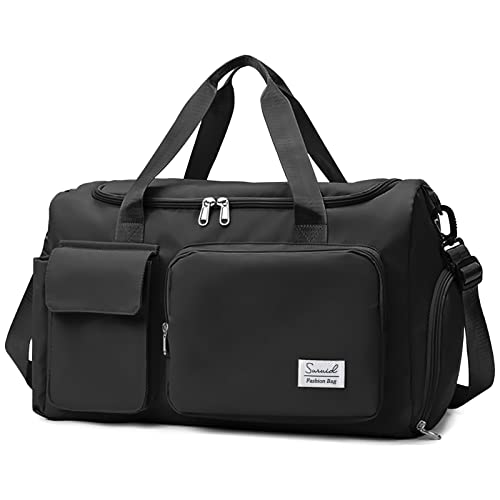
 Taygeer Travel Backpack for Women
Separate shoe bag keeps footwear away from clothes
180 degree zipper speeds through security checks
Converts between backpack and handbag carry styles
At 16.8 x 11 x 7 inches, fits only small loads
Nine small pockets can make packing feel fragmented


As an Amazon Associate we earn from qualifying purchases at no extra cost to you.
As an Amazon Associate we earn from qualifying purchases.
🛒 Best Price Today on Amazon
Prime members get fast, free shipping on everything above, plus member-only deals. New members get a 30-day free trial — cancel anytime.
How to Size the Best Backpack for European Trip Packing
Most people choose a bag and then fill it, which guarantees they carry more than they need. Working out the best backpack for european trip use in the opposite direction, starting from laundry frequency and climate range, produces a smaller bag and a considerably more pleasant journey.
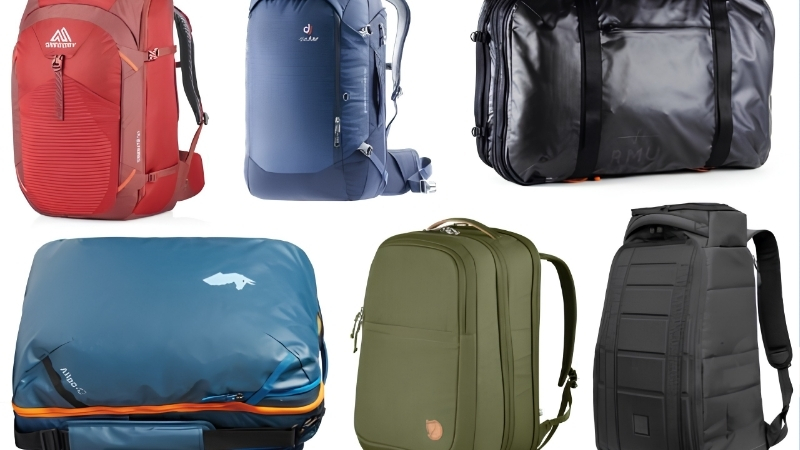
Start From Laundry Frequency, Not Trip Length
Clothing needs plateau after about a week regardless of how long you are away, because beyond that point you are washing rather than packing more. Assume laundry roughly weekly, which is straightforward in apartments and most hostels, and the packing list stops growing with the calendar.
That single assumption typically moves people from a fifty litre bag to a thirty-five or forty litre one. The difference on station stairs, in overhead racks and walking from a tram stop with luggage is substantial, and the constraint quietly prevents the souvenir accumulation that fills any spare room.
Layering Handles Climate Range Better Than Volume
European trips frequently cross climates, from a warm Mediterranean coast to a cool Alpine town in the same fortnight. The instinct is to pack for both separately, which doubles the clothing. A layering system of base, mid and shell covers the same range in roughly half the packed volume.
Merino base layers matter here because they resist odour and can be worn several days between washes, which cuts the packing list further. A compressible synthetic or down mid-layer takes almost no space. That combination handles a genuinely wide temperature range from a single small stack.
Organisation Determines Whether the System Survives
A one-bag approach only works if you can find things without emptying the bag daily. Packs with internal compartments or good packing cube compatibility keep clean and worn clothing separate, which is what stops a tidy system degrading into a single jumbled cavity by the second week.
An external laptop sleeve saves unpacking at every security check, and a small quick-access pocket for documents and a charger prevents opening the main compartment in a crowded queue. These sound minor until you repeat them twenty times across a multi-city itinerary.
Top Picks for the Best Backpack for European Trip Travel
The best backpack for european trip picks below all support one-bag travel but differ in organisation, structure and how much they resemble luggage. The table compares them at a glance, then each entry explains the traveller it suits and where the design compromises land.
| Pack | Capacity | Organisation | Opening | Best for |
|---|---|---|---|---|
| Eagle Creek Global Companion | 40 L | Moderate | Clamshell | Comfort on the move |
| Thule Subterra | 34 L | Good | Wide panel | Compact one-bag |
| Patagonia Black Hole MLC | 45 L | Simple | Clamshell | Durability |
| Nomatic Travel Pack | 20 to 30 L | Extensive | Multi-access | Heavy organisers |
| Timbuk2 Never Check | Expandable | Moderate | Clamshell | Flexible volume |
Eagle Creek Global Companion 40L
The Global Companion is built for people who actually carry their bag rather than wheel it, with a genuine load-bearing hip belt and a back panel that adjusts for torso length. Forty litres opens as a full clamshell, and the whole harness stows away behind a zip panel when you check it.
Internal organisation is moderate, so packing cubes still help considerably. It is heavier empty than minimalist travel packs, which eats into a carry-on weight allowance. For an itinerary involving real walking between stations and accommodation, the suspension is what separates it from cheaper bags.
Thule Subterra Travel Backpack
The Subterra is deliberately compact at thirty-four litres, which forces the packing discipline that makes one-bag travel work. A wide panel opening reaches the whole interior, the laptop compartment opens separately for security checks, and the shape stays neat rather than bulging when fully loaded.
The smaller volume is limiting if your trip crosses genuinely different climates and needs bulky layers. The harness is simple, with no meaningful hip belt, so long carries put everything on the shoulders. For city-focused travel with short walks, the compactness is an advantage rather than a limit.
Patagonia Black Hole MLC 45L
The Black Hole MLC is built from recycled ripstop with a tough weather-resistant coating, and it converts between backpack straps, a shoulder strap and grab handles. That flexibility suits a trip where you are sometimes walking a mile from a station and sometimes just crossing a hotel lobby.
Organisation is deliberately simple, essentially a large lined compartment, so packing cubes are effectively required. The backpack straps are basic compared with a dedicated travel pack. Where durability and weather resistance matter most, the fabric outlasts almost everything else in this group.
Nomatic Travel Pack
The Nomatic is the choice for people who want a designated place for everything, with an unusual number of dedicated pockets for cables, documents, shoes and laundry. It expands from around twenty to thirty litres, which lets you fly with it compact and open it up once you have space.
All that organisation adds weight and cost, and the fixed pocket layout works poorly if your kit does not match the designer’s assumptions. The boxy shape carries less comfortably than a proper harness. For short trips where everything has a place, the system genuinely reduces daily friction.
Timbuk2 Never Check Expandable
The Never Check is designed to sit right at carry-on limits and expand once you are past the gate, which is a practical answer to the problem of shopping mid-trip. It opens as a clamshell, the fabric is tough, and the compression system keeps it looking like a normal pack when compact.
Expanded, it exceeds most carry-on sizers, so the extra volume is for the return leg or checked flights. The harness is straightforward rather than supportive, limiting comfortable carrying distance. For travellers who habitually return with more than they left with, the design solves a real problem.
Costs and Planning Lead Time
Travel packs are made from technical fabric with metal hardware, so the best backpack for european trip category has absorbed genuine cost increases. Planning lead time also matters, because a bag bought well before departure can be tested rather than trusted on faith.
Fabric and Hardware Costs Have Both Moved
Reported figures place the average tariff-driven cost increase across outdoor goods at roughly 7.7 percent, with high-tenacity nylon rising ten to fifteen percent. Duties on aluminium land separately on frame components and buckles, so mid-range travel packs feel the pressure on two inputs.
Brands have described forward pricing as provisional while conditions settle, and inflation near 4.2 percent is tightening travel budgets in parallel. Spending once on a pack that lasts a decade is a more defensible response than replacing a cheaper bag after every second trip.
Buy Early Enough to Test-Pack Properly
The most useful thing you can do with a new travel pack is load it with everything on your actual list, weigh it, wear it for an hour and measure it against a carry-on sizer at home. That single exercise catches almost every problem while an exchange is still simple to arrange.
It also validates the packing list itself, which is the real point. Discovering that your planned kit fills forty litres to bursting is far better handled six weeks out, when you can cut items or size up, than at a check-in desk on the morning of a flight with a strict cabin allowance.
Track a Model Into the Late Autumn Sales
If departure is next spring, choose a specific pack now and follow its price into the late November window, which remains the deepest discount period of the year for luggage. Amazon also runs early promotions ahead of its October event that sometimes include travel packs.
Follow one model and size rather than the category, because luggage discounts land disproportionately on discontinued colours and awkward volumes. Knowing the usual price of the exact bag you chose is the only reliable way to judge whether a headline reduction is real.
Frequently Asked Questions
Questions about the best backpack for european trip travel tend to concern capacity, packing cubes and whether one bag is genuinely realistic. The answers below assume independent multi-city travel with occasional laundry rather than a single-destination package holiday.
Is one bag realistic for three weeks?
Yes, provided you wash roughly weekly and use layers rather than separate warm and cool wardrobes. Thousands of travellers do three-week and longer trips with thirty-five to forty litres. The constraint is what makes it work, since a larger bag simply absorbs items you would not otherwise carry.
Are packing cubes worth using?
For any pack with a large open compartment, yes. They keep clean and worn clothing separate, compress bulky layers, and mean you unpack one cube rather than the whole bag. Compression cubes save more space than standard ones, at the cost of creasing anything you wanted to stay smart.
What about a laptop or camera?
A padded sleeve accessible from outside saves unpacking at every security check, which matters across several flights. Camera equipment is better protected by a dedicated insert than by wrapping it in clothing, though inserts are heavy and worth carrying only if the camera genuinely gets used.
Should I bring a second smaller bag?
A packable day bag weighing a few ounces is nearly always worth it, since exploring a city with your full pack is unpleasant. It also serves as a personal item on flights where the main bag goes overhead. Choose one that stuffs into its own pocket so it never gets left behind.
Related Guides
- packs built for constant transitions
- packing for mixed European weather
- measuring your torso before you buy
- carry-on sizing for European airlines
Final Thoughts
The best backpack for european trip travel follows from the packing list rather than the other way round. Assume weekly laundry, use layers instead of separate wardrobes, and thirty-five to forty litres covers almost any itinerary. Test-pack it fully before you go and the trip gets easier from there.




Write Your Review
No reviews yet. Be the first to share your experience!