
Key takeaways
Best cooler cold packs are the ones matched to what you are chilling, since a lunch box and a weekend camp cooler need very different tools. This guide covers freeze points, panel formats and refreeze times, then works through five reusable options that cover everything from a daypack to a hard-sided box.
Our top picks




As an Amazon Associate we earn from qualifying purchases at no extra cost to you.
As an Amazon Associate we earn from qualifying purchases.
🛒 Best Price Today on Amazon
Prime members get fast, free shipping on everything above, plus member-only deals. New members get a 30-day free trial — cancel anytime.
How to Choose the Right Best Cooler Cold Packs
The best cooler cold packs win over bagged ice on mess, cost over time and predictability, but only if the format suits the container. Three questions settle most decisions: how cold the pack needs to get, whether it should be slim or thick, and how quickly it has to be ready again for the next outing.
Decide Whether You Need Sub-Freezing Cold
Standard gel and water packs freeze at thirty-two degrees Fahrenheit, which is fine for keeping sandwiches, yoghurt and drinks safely chilled through a working day. That is genuinely all most lunch boxes and short day trips require, and there is no benefit in paying for something more aggressive.
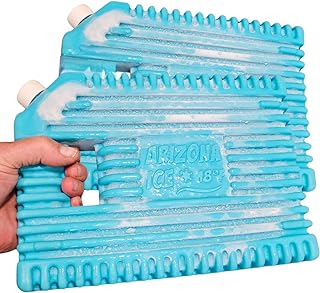
Salt-solution packs freeze far lower, in the region of eighteen degrees for the Cooler Shock system, and that is what keeps frozen food frozen across a multi-day trip. The cost is that they will freeze anything soft placed directly against them, so they belong in a cooler with sensible layering.
Match Panel Shape to the Container
Slim panels are the right answer for lunch boxes, soft coolers and backpack coolers, where a thick block would eat the space you actually wanted for food. A flat panel laid across the top of the load also outperforms one buried at the bottom, because cold air sinks through the contents beneath it.
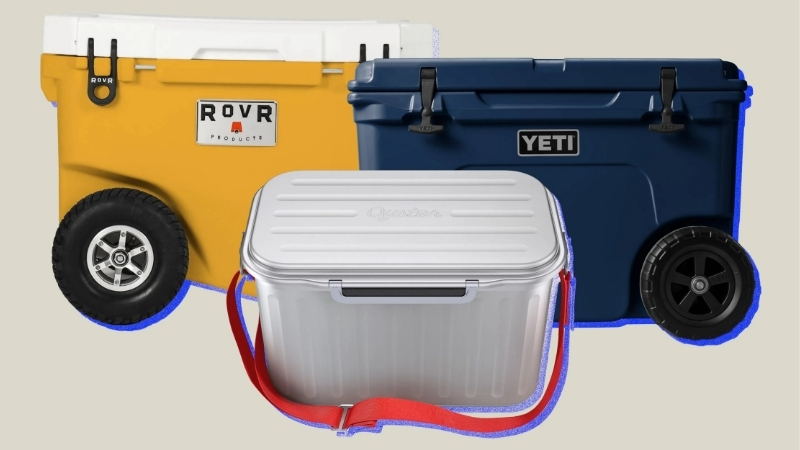
Thick rigid blocks hold more cold mass and stay frozen longer, which suits a large hard-sided cooler with room to spare. In a big box the sensible approach is a mix: blocks along the base and walls for duration, plus one slim panel over the top of everything to slow warm air exchange when the lid opens.
Consider Refreeze Time and Durability
A thick block can need well over twenty-four hours in a domestic freezer to refreeze fully, which is a problem for consecutive trips or daily lunch duty. Slim panels usually recover overnight, so buying two sets of small packs is often more useful than buying one set of very large ones.
Construction decides how long they last. Look for welded seams, thick outer film and non-toxic fill, since a split pack in a cooler contaminates everything around it. Rigid-shell packs survive being packed underneath heavy food better than soft pouches, which eventually fail at the corners under repeated pressure.
Top Picks for the Best Cooler Cold Packs
The best cooler cold packs below deliberately span formats rather than competing directly, because a lunch box panel and a multi-day cooler block solve different problems. The table gives the quick comparison, then each entry explains where it genuinely earns its place and what it does poorly.
| Pack | Format | Approx freeze point | Refreeze | Best for |
|---|---|---|---|---|
| Cooler Shock | Add-water panel | Around 18°F | Over 24 hours | Multi-day coolers |
| Arctic Ice Chillin’ Brew | Rigid block | Around 28°F | Overnight | Drinks and cans |
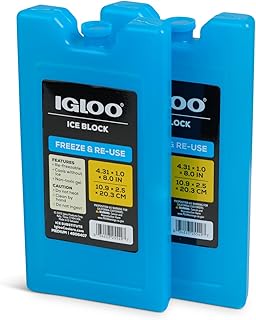
| YETI Thin ICE 1 lb | Slim rigid panel | About 32°F | Overnight | Lunch and soft coolers |
| Rubbermaid Blue Ice | Rigid block | About 32°F | Overnight | Everyday budget use |
| Fit & Fresh slim packs | Flexible pouch | About 32°F | Overnight | School and work bags |
Cooler Shock Reusable Packs
Cooler Shock arrives dry and is filled with water once before its first freeze, producing a solution that sets at roughly eighteen degrees Fahrenheit. That is meaningfully colder than plain ice, and it is the reason a set of these will hold frozen meat solid across a long weekend rather than slowly thawing it.
The initial fill needs care to avoid a leak, and the frozen panels are rigid enough that they will not conform around awkward contents. Full refreezing also takes well over a day. In a large cooler on a multi-day trip, though, this is the single most effective upgrade on the list.
Arctic Ice Chillin’ Brew Series
The Chillin’ Brew blocks are formulated to freeze around twenty-eight degrees, which is a deliberate choice rather than a shortcoming. Drinks stay properly cold without turning slushy, which is exactly what you want in a cooler carrying cans and bottles rather than raw food that needs to stay frozen.
They cannot keep frozen items frozen, so they are the wrong single choice for a hunting or fishing cooler, and the rigid blocks take up real space. Paired with a colder pack handling the food layer, they solve a specific and common problem that generic gel packs handle noticeably badly.
YETI Thin ICE 1 lb
The one pound Thin ICE panel is the format that makes small coolers work properly. It is deliberately slim, so it lines a soft cooler wall or lies flat over a packed lunch without stealing space, and the hard shell survives being crushed under heavy contents in a way flexible pouches do not.
It freezes at ordinary water temperature, so it will not out-chill a salt-solution pack, and it costs substantially more than generic panels of the same size. What you are paying for is durability and a shape that actually fits the containers most people own. For daily use, it holds up for years.
Rubbermaid Blue Ice Blocks
These have been in service for decades because the fundamentals are sound. A rigid moulded shell holds a useful mass of frozen liquid, and mass is what buys hours in a cooler. Two or three along the base of a mid-size cooler will comfortably see a family through a full day out with room for food above.
They are bulky for the cold they deliver, freeze only at standard water temperature, and the shell can crack if dropped onto a hard surface while frozen. There is nothing clever here. For everyday picnics, sports coolers and general household use, the cost-per-hour figure remains hard to beat.
Fit & Fresh Slim Cool Packs
These flexible slim pouches are built for lunch bags and daypacks, where thickness is the enemy. They slide alongside a container without adding bulk, chill effectively for a full working day, and are cheap enough to buy several so a fresh set is always waiting in the freezer each morning.
The flexible construction is the weak point, and pouches eventually split at the seams after repeated freeze cycles and rough handling. They also hold far less cold than any rigid block, so they are unsuitable for a camp cooler. Within their intended job, they are the most convenient option here.
What Rising Costs and Season Timing Mean
The best cooler cold packs are inexpensive individually, but they are moulded goods facing the same pressures as the rest of the outdoor category, and demand for them is strongly seasonal. Two short points below cover why prices have edged up and why late summer is a practical moment to restock.
Plastic Goods Have Absorbed Real Cost Increases
Industry reporting places the average tariff-driven cost increase across outdoor products at around 7.7 percent, with engineered materials such as specialist foams up ten to fifteen percent. The best cooler cold packs depend on moulded polymer shells and formulated fills, so they sit directly within that affected group.
Household budgets are tighter too, with inflation running near 4.2 percent and discretionary spending under pressure. Manufacturers have described current pricing as an estimate while conditions settle. Buying a multi-pack now, rather than replacing packs one at a time, is the straightforward hedge.
Back-to-School Demand Clears the Slim Formats
From late August, slim cold packs stop being camping gear and become school supplies. Small panels and flexible pouches are always the first formats to sell through, and those are exactly the shapes that make lunch bags, daypacks and soft coolers work efficiently through the rest of the year.
Larger rigid blocks stay available much longer, so the urgency is specific to the small sizes. If your routine depends on a particular slim pack, buying a second set before the school rush costs very little and avoids paying full price for a thinner selection once the seasonal demand has moved through.
Peak Heat Is the Honest Test
The hottest stretch of the year is when the gap between a basic gel pack and a sub-freezing panel becomes obvious within a single afternoon. Buying now means learning how many packs your cooler actually needs while conditions are demanding, rather than discovering the shortfall on a long-planned trip.
There is also a full run of camping, beach days and road trips still ahead. Packs bought now get properly used and evaluated this season instead of sitting unopened, and any that split or underperform can be replaced while the weather still gives you a reason to care about the difference.
Frequently Asked Questions
Common questions about the best cooler cold packs concern quantity, safety and how they compare to ordinary ice. The answers below assume a pre-chilled cooler kept out of direct sun, which affects results far more than the brand of pack you choose in almost every realistic situation.
How many cold packs does a cooler need?
Aim for roughly two parts cold mass to one part contents by volume for serious retention. In practice a mid-size hard cooler wants four to six full panels, placed along the base and walls with one flat panel across the top of the load. A lunch box normally needs only one slim pack alongside the food.
Are cold packs safe if one splits?
Most reputable packs use non-toxic fill and say so on the label, but the contents are not food and any item they touch directly should be discarded. Wash the cooler thoroughly and check remaining packs for stress marks. Buying packs with welded seams rather than glued ones reduces the risk considerably.
Can I use cold packs and loose ice together?
Yes, and it is usually the best approach. Packs provide the structural cold layer and stay tidy, while loose ice fills the irregular gaps around bottles and containers that rigid panels cannot reach. The ice chills things quickly at the start, and the packs carry the load once it has melted.
How long do reusable cold packs last?
Rigid-shell packs commonly survive several seasons of regular use, while flexible pouches typically fail sooner at the seams. Freezing them flat, avoiding sharp objects in the cooler and letting them thaw before folding anything around them all extend the working life meaningfully at no extra cost.
Related Guides
Final Thoughts
The best cooler cold packs for your kit depend entirely on the container and the trip length. Slim panels for lunch bags and soft coolers, sub-freezing panels for multi-day camping, moderate blocks for drinks. Buy a mixed set rather than five identical packs and even a modest cooler performs well above expectations.




Write Your Review
No reviews yet. Be the first to share your experience!