
Key takeaways
Best backpack cooler picks keep drinks and food cold while leaving your hands free for the trail, the beach, or a stadium. This guide compares five hands-free coolers — from a premium ice-retention champion to a paddle-ready roll-top and a budget everyday hauler — with real capacities and cooling times so you carry the right one for your adventures.
Our top picks


As an Amazon Associate we earn from qualifying purchases at no extra cost to you.
As an Amazon Associate we earn from qualifying purchases.
🛒 Best Price Today on Amazon
Prime members get fast, free shipping on everything above, plus member-only deals. New members get a 30-day free trial — cancel anytime.
How to Choose a Backpack Cooler
Finding the best backpack cooler comes down to four factors: insulation and ice retention, carry comfort, the closure type, and capacity. Because a loaded cooler on your back gets heavy fast, matching those to your typical outing keeps you comfortable and your drinks cold.
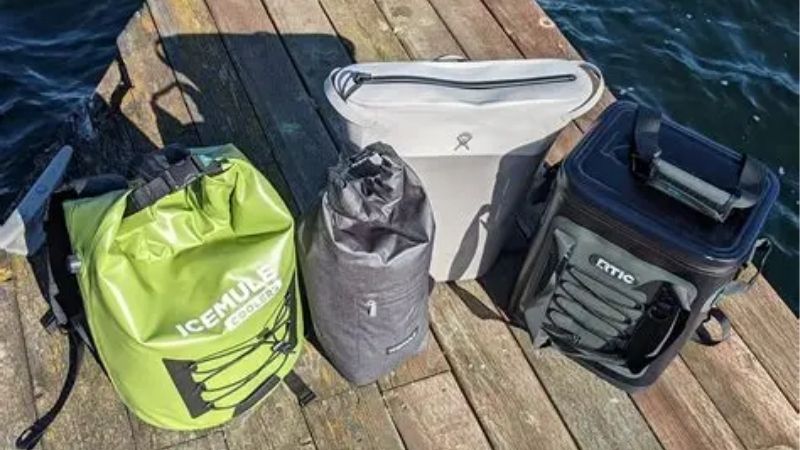
Insulation and Ice Retention
Budget coolers use PEVA foam that holds cold for roughly 12 to 16 hours, mid-range models use denser closed-cell foam for 24 to 36 hours, and premium coolers use proprietary insulation that can keep ice a full day or more. The gap between tiers is real, so the best backpack cooler for hot, long days uses premium insulation.
Ice packs generally outperform loose ice in a soft backpack cooler, since loose ice melts faster against fabric walls. Pre-chilling the cooler and limiting how often you open it also stretch cold retention.
Carry Comfort
Since you wear it, padded, ergonomic straps and a supportive back panel matter more than on any other cooler style. The best backpack cooler for long walks hugs the shape of your back and distributes weight so it doesn’t dig into your shoulders.
Resist the urge to overpack, since drinks and ice add up quickly and a heavy cooler gets uncomfortable fast. Choose a size that matches how much you actually carry rather than the biggest option available.
Closure Type
Zippered lids seal tightly when new but can be stiff to operate and may leak over time. Magnetic closures like YETI’s are quick but can be fiddly to seal fully, and roll-top openings are simple and often the most waterproof.
Each style trades ease against leak protection, so think about whether you’ll tip or submerge the cooler. For paddling, a waterproof roll-top wins; for grab-and-go convenience, an easy zipper or magnet is nicer.
Capacity and Pockets
Backpack coolers range from around 12 to 36 cans. Remember that ice fills a chunk of that, so a 24-can rating holds fewer cans once iced. Match capacity to your group size and trip length.
Extra zippered and mesh pockets add handy storage for phones, keys, and snacks, and zippered pockets are more secure than open mesh. Weigh the convenience of pockets against the added bulk they bring.
Top Picks: The Best Backpack Coolers
These five picks cover the best backpack cooler options from premium ice retention to budget value and paddle-ready designs. The table sums up the numbers, and the write-ups below cover who each suits and the honest drawbacks to weigh.
| Cooler | Capacity | Closure | Best For | Price Tier |
|---|---|---|---|---|
| YETI Hopper M20 2.0 | ~23 L (24 cans) | Magnetic | Ice retention | Premium |
| RTIC Backpack Cooler | ~30 cans | Zippered | Value & comfort | Mid |
| IceMule Pro | 23–33 L | Roll-top | Paddling & collapsible | Mid |
| Hydro Flask Day Escape 20L | 20 L | Watertight zipper | Lightweight & easy | Premium |
| TOURIT Cooler Backpack | ~30 cans | Zippered | Budget | Budget |
YETI Hopper M20 2.0 — Best Ice Retention
The Hopper M20 2.0 is the pick for anyone who prioritizes cold above all. Its proprietary ColdCell insulation holds ice a full day or more, outperforming most competitors, and a magnet-equipped wide opening makes loading easy while the ergonomic back panel hugs your spine for comfortable carrying on long walks.
The drawbacks are weight and price: it’s noticeably heavy even empty and sits in a premium tier, and the magnet closure sometimes needs a firm press to seal fully. But for boating, fishing, or hot-climate days where ice life matters most, it’s the class leader.
RTIC Backpack Cooler — Best Value and Comfort
RTIC delivers near-premium performance for less, and its backpack cooler is comfortable enough to wear on long walks with plenty of padding. Closed-cell foam keeps contents cold for around 24 to 36 hours, and the square frame makes it easy to see and reach inside when open.
The zippers take real force to operate, and ice retention isn’t quite YETI-level, plus it’s a touch harder to clean and de-odorize. But for buyers who want strong cold-keeping and carry comfort at a mid-range price, it’s one of the smartest values here.
IceMule Pro — Best for Paddling and Storage
The IceMule Pro is built for the water. Constructed from 1000-denier waterproof ripstop vinyl with a roll-top closure, it resists leaks, and a clever air valve lets you trap insulating air that both extends cold retention and helps the cooler float if it goes overboard full. It also collapses flat for easy storage.
It has a slight learning curve, isn’t 100 percent leakproof, and skips extra pockets. But for paddlers, and for anyone with limited storage who wants a collapsible cooler with excellent ice retention, it’s a standout.
Hydro Flask Day Escape 20L — Best Lightweight and Easy
The Day Escape 20L is the easiest of these to live with day to day. Its watertight zipper needs minimal force to open, seals reliably, and realigns easily if it separates, solving the stiff-zipper problem that plagues many backpack coolers. Thread-through exterior pockets add handy storage, and the whole pack stays light.
It sits at a premium price and holds a bit less than the largest models. But if you want dependable cold, a genuinely easy opening, and a comfortable lightweight carry, it’s one of the most user-friendly backpack coolers available.
TOURIT Cooler Backpack — Best Budget
The TOURIT cooler backpack delivers leakproof, hands-free cooling at the lowest price here. It keeps contents cold for around 16 hours, carries comfortably enough for casual outings, and adds pockets for the small stuff — plenty for a day at the park, a concert, or a lunch commute.
Its PEVA foam insulation and construction are a clear step below premium coolers, so cold retention is shorter and durability more modest. But for occasional users who want a capable backpack cooler without spending much, it’s a practical, budget-friendly choice.
Frequently Asked Questions
A few questions come up again and again when shoppers look for the best backpack cooler. Here are straight answers to help you finalize your pick.
How long does a backpack cooler keep ice?
Budget models hold cold for 12 to 16 hours, mid-range coolers for 24 to 36 hours, and premium coolers a full day or more. Using ice packs, pre-chilling, and limiting how often you open it all extend that window.
Are backpack coolers leakproof?
It varies by closure. Roll-top and watertight-zipper models resist leaks best, while standard zippers and magnetic lids can leak if tipped or overfilled. If you’ll tip or submerge it, choose a waterproof roll-top design.
What size should I get?
Match capacity to your group and trip length, remembering ice takes up space. Around 20 to 24 cans suits one or two people for a day, while larger models suit groups. Avoid oversizing, since a full cooler gets heavy quickly.
Ice or ice packs?
Ice packs usually keep a soft backpack cooler colder longer, because loose ice melts faster against fabric walls. For the best performance, use ice packs and pre-chill the cooler before loading.
See More:
- Best daypacks for hiking
- Best hiking sneakers men
- Best backpack for hike
- Best backpack for carry on
- Best travel backpack for men
Final Thoughts
The best backpack cooler depends on how far you carry it, how long you need cold, and your budget. Reach for the YETI Hopper M20 2.0 for top ice retention, the RTIC for value and comfort, the IceMule Pro for paddling, the Hydro Flask Day Escape for easy lightweight carry, and the TOURIT on a budget — and buying ahead of summer price bumps is the smart move.




Write Your Review
No reviews yet. Be the first to share your experience!