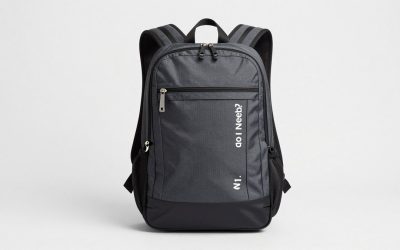
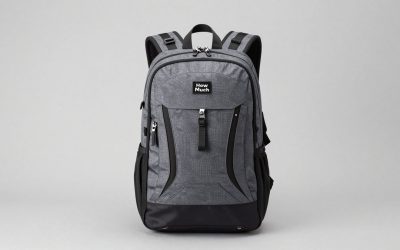
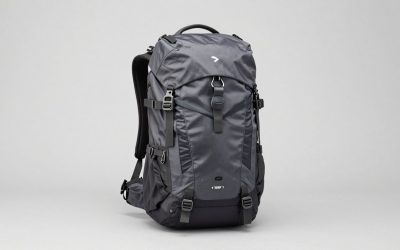
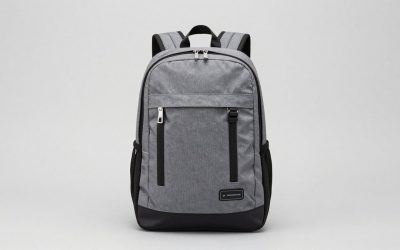
Most people shopping for a bushcraft backpack start with the wrong question. They ask “how many liters do I need?” when the real question is “what happens to this pack after it gets soaked, dragged through brambles, and loaded with a splitting maul?” After spending time with every pack on this list, the pattern is clear: the best bushcraft backpack is not the one with the most compartments. It is the one whose construction survives repeated abuse and whose carry system keeps a heavy, awkward load balanced on your spine over uneven terrain.
Plenty of packs look rugged in a product photo but fall apart under real use. Stitching rips at stress points, zippers jam when wet, and thin fabric shreds on the first contact with a thorny understory. What separates a genuine bushcraft pack from a hiking daypack is the combination of heavy-duty materials, thoughtful external attachment options for tools, and a hip-and-shoulder harness designed for shifting weight rather than static comfort. That is the standard we used here.
Our top picks


As an Amazon Associate we earn from qualifying purchases at no extra cost to you.
Quick Picks
| Product | Best for | Price |
|---|---|---|
| ONETIGRIS Wild Rocket | Overall value with tool-carry features | under $100 |
| GOOTIUM Canvas Rucksack | Budget canvas construction | under $50 |
| Waterproof Waxed Canvas | Style with water resistance | under $50 |
| Foraging Pouch | Ultralight belt carry | under $10 |
| LHI Tactical 45L | Military-look tactical bushcraft | under $30 |
| WUDON Leather Backpack | Urban-to-trail versatility | under $60 |
| Classic Rucksack Full Grain | Premium long-term investment | under $350 |
| Large Military 70L | Extended trips and heavy loads | under $100 |
How We Picked
We evaluated each pack on four criteria that directly affect performance in a bushcraft setting. First, material durability: thick canvas, high-denier nylon, and waxed fabric scored higher than thin polyester. Second, carry system quality: adjustable shoulder and waist straps with real load-lifting ability mattered more than padded foam that looks nice in a showroom. Third, external attachment points: axe holders, MOLLE webbing, and compression straps separate a true bushcraft pack from a generic rucksack. Fourth, price-to-longevity ratio: how many seasons of hard use will this pack realistically deliver at its price point.
The 8 Best Bushcraft Backpack in 2026
ONETIGRIS Wild Rocket 45L
This pack earns its position as the strongest all-around option for the price. The 500D Cordura Nylon shell resists abrasion on rock faces and dense brush better than anything else under $100. The built-in axe holder is genuinely functional, not a gimmick, keeping a hatchet accessible without a separate strap. Adjustable shoulder and waist straps distribute weight well when you load it past the halfway point. Multiple pockets keep small items like fire starters and a folding saw organized rather than lost in a black hole main compartment. The one weakness is that the main zipper track can snag on the Cordura liner if you overstuff it quickly in the dark. Skip this if you need more than 45 liters or plan to carry a sleeping system alongside tools.
GOOTIUM Canvas Rucksack
For anyone who wants the traditional canvas bushcraft aesthetic without spending more than fifty dollars, this is the pack. The high-density thick canvas feels substantial and develops a working patina rather than looking cheap after a few trips. Field Tan color blends well with woodland environments and hides dirt. At 4.7 out of 5, user feedback consistently highlights the stitching quality holding up under load. The downside is that this pack lacks dedicated external tool attachment points, so you will need to improvise with paracord for an axe or saw. Skip it if you need MOLLE webbing or a structured internal frame.
Waterproof Waxed Canvas Backpack
This pack bridges the gap between bushcraft function and everyday carry style. The waxed canvas treatment provides real water resistance that sheds light rain without a cover, and the leather trimming adds character while reinforcing high-wear edges. It looks appropriate on a city commute and on a forest trail. The main limitation is capacity: the “Large” designation is relative, and once you add a tarp, cook pot, and fire-making kit, internal organization suffers. Skip it if your primary use is multi-day trips with substantial gear loads.
Foraging Pouch Leather Canvas
This is not a backpack in the traditional sense, but it earns a spot because bushcraft is not only about carrying everything on your back. A collapsible belt pouch made of leather and canvas lets you keep a knife, ferro rod, and cordage at hand without digging through a main pack. The water-resistant treatment handles a brief rain shower. The 3.9 rating reflects honest buyer expectations: it is small, simple, and not a substitute for a real load-bearing pack. Skip it if you need more than a few essential tools within arm’s reach.
LHI Military Tactical 45L
The lowest-priced pack on this list that offers a genuine MOLLE system, making it the best choice for anyone who already owns tactical pouches or wants to customize external carry. The 3-day assault configuration fits a bushcraft overnight trip comfortably. For under $30 and a 4.7 rating, the value proposition is hard to argue with. The trade-off is comfort under heavy loads: the harness is functional but not as refined as purpose-built bushcraft carries, and the black color shows every scratch. Skip it if you prefer a natural-look aesthetic or need superior hip-belt support for loads over 40 pounds.
WUDON Leather Backpack
Waxed canvas with leather shoulder straps gives this pack a distinctive look that works as well in a coffee shop as on a trail. It carries daily essentials and a light bushcraft kit with ease. The construction feels deliberate, and the leather components will age gracefully with conditioning. However, the internal layout is open and minimal, so small items shift around during active movement. There are no external attachment points, which limits its utility as a dedicated bushcraft pack. Skip it if your priority is tool-carry capability over appearance.
Classic Rucksack Full Grain Leather
This is the heirloom option. Handmade from full-grain leather in a Swayze Suede finish, it carries the kind of quality that justifies a under-$350 price tag for someone who wants one pack that lasts decades rather than seasons. The 5 out of 5 rating reflects genuine buyer satisfaction. It is lighter than expected for its material and develops a beautiful aging character. The practical drawback is weight when loaded: leather itself adds mass, and without a structured frame, it is best for moderate loads. Skip it if you need maximum capacity or plan to carry heavy tools regularly.
Large Military 70L MOLLE Pack
When 45 liters is not enough, this 70-liter option accommodates a full bushcraft kit for extended trips including a sleeping bag, shelter, and cook system alongside tools. The MOLLE webbing lets you add pouches and compress the load. For under $100 it undercuts most packs in this capacity range. The downside is bulk: it is oversized for day trips and will feel cumbersome on narrow trails. The 4.5 rating is solid but slightly lower than the competitors above, with some users noting strap adjustment limits. Skip it if your outings are mostly single-day or you already own a smaller pack for shorter trips.
Buying Guide
Material Choice: Denier, Canvas Weight, and Coatings
For bushcraft use, look for 500D nylon or heavier, or thick canvas rated for high-density weave. Waxed treatments add water resistance but require periodic re-waxing. Cordura specifically resists abrasion far better than generic polyester, which shreds against bark and rock.
Load Carrying and Harness Design
A waist strap that transfers weight to your hips is non-negotiable once your load exceeds 25 pounds. Shoulder straps should adjust independently of torso length. Look for load-lifter straps at the top of the shoulder assembly to pull the pack’s center of gravity closer to your back.
External Attachment for Tools
Bushcraft differs from general backpacking because you carry irregularly shaped tools: axes, saws, batons, and tarps. Dedicated axe loops, compression straps positioned for vertical tool carry, or MOLLE grid webbing make the difference between a functional kit and one held together by frustration and paracord.
Our Verdict
The ONETIGRIS Wild Rocket 45L is the best bushcraft backpack for most readers on this list, combining 500D Cordura durability, a real axe holder, and solid carry ergonomics for under $100. The LHI Tactical 45L is the budget pick, offering a functional MOLLE platform and a proven 45-liter layout for less than $30. However, if your priority is maximum load capacity for multi-day bushcraft trips rather than daily tool carry, the Large Military 70L wins on volume alone.
FAQ
How many liters do I need for bushcraft?
For single-day tool-carry trips, 30 to 45 liters is sufficient. Multi-day bushcraft with shelter, sleep system, and cook kit generally requires 55 to 70 liters.
Is a tactical backpack good for bushcraft?
Yes, if the harness is comfortable under load and the MOLLE system suits your tool-carry needs. The drawback is that black tactical aesthetics blend poorly with natural settings and the fabric is often thinner than dedicated bushcraft canvas.
What is the best material for a bushcraft pack?
500D Cordura Nylon and high-density waxed canvas are the top performers for abrasion resistance and longevity. Cordura wins for wet conditions; waxed canvas wins for traditional aesthetics and natural patina over time.
Do I need an axe holder built into the pack?
Not strictly, but it solves a real problem. External axe loops keep the blade accessible and prevent a swinging tool from damaging your pack fabric or injuring you while walking. Improvised strap solutions work but slow you down.