
Backpacking shelter guide decisions start with a choice most hikers skip: tent, tarp, hammock or bivy. Each trades weight for weather protection and comfort differently. This guide walks the options and names six picks so you sleep out well on your next trip.
As an Amazon Associate we earn from qualifying purchases.
Our top picks


As an Amazon Associate we earn from qualifying purchases at no extra cost to you.
By Jake Thompson
How to Use This Backpacking Shelter Guide
The core of any backpacking shelter guide is matching a shelter type, tent, tarp, hammock or bivy, to your weight goals, the weather and the comfort you want. Each type excels in different conditions, so understanding their trade-offs is what leads to a shelter you will actually enjoy sleeping in.
Weigh the Shelter Types
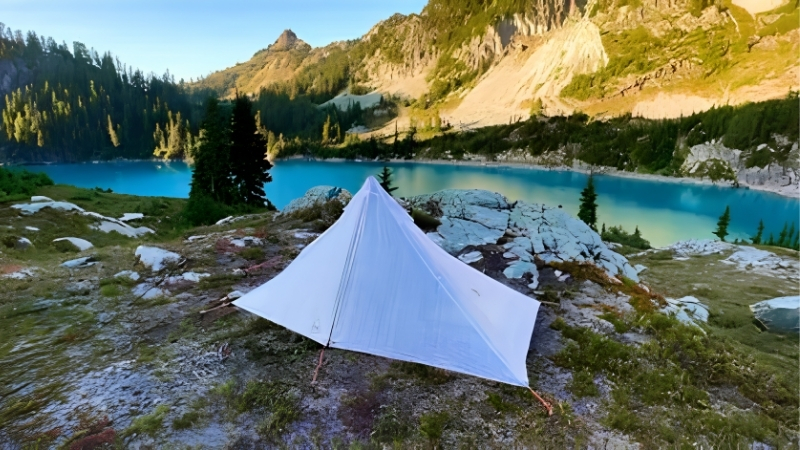
Four main types cover backpacking. Tents offer the most protection and livability at the most weight, tarps are lightest and most versatile but exposed, hammocks suit forested terrain and uneven ground, and bivies are minimal, weatherproof cocoons. Each is the right answer for different hikers.
Match the type to your priorities. Most hikers are best served by a tent for its balance of protection and comfort, while ultralighters choose tarps or bivies, and forest campers prefer hammocks. Deciding what you value most, weight, weather protection, or comfort, narrows the field quickly.
Prioritize Weather and Terrain
Weather and terrain shape the choice. Exposed alpine trips reward a sturdy tent, forested routes suit hammocks, and fair-weather trips allow a tarp or bivy. Ground conditions matter too, since trekking-pole tents and tarps need stakeable soil, while freestanding tents and hammocks handle harder sites.
Match the shelter to where and when you hike. Storm-prone or above-treeline routes need full tent protection, while sheltered summer forests open up lighter options. A shelter that fails in the conditions you face is no bargain, so weight weather protection to your typical trips and seasons.
Balance Weight and Comfort
Weight and comfort trade off across types. Tents are heaviest but most livable, letting you sit up and wait out storms, while tarps and bivies shave weight at the cost of space and enclosure. Hammocks can be very comfortable in the right terrain but need a full system to stay warm.
Decide your balance. Comfort-seekers and those who spend time in camp want a tent’s space, while gram-counters accept a tarp or bivy’s minimalism. Remember that a lighter shelter you dislike sleeping in is a poor trade, so weigh real comfort against the weight savings you gain.
Factor In Skill and Cost
Skill and cost round out the decision. Freestanding tents are beginner-friendly, while tarps, trekking-pole tents and hammock systems reward practice. Costs range from cheap tarps to premium ultralight tents and full hammock setups, so match the spend and learning curve to your experience and budget.
Match the shelter to your skills. Beginners do well with an easy freestanding tent, while experienced hikers can save weight with tarps, hammocks or trekking-pole shelters they know how to pitch. Building skill lets you go lighter over time, so start comfortable and progress as you learn.
Top Picks From This Backpacking Shelter Guide
These six represent the main shelter types, from tents to a bivy. This backpacking shelter guide highlights each in the table, then breaks down who it suits and its honest drawbacks.
| Shelter | Type | Weight | Best For | Price Tier |
|---|---|---|---|---|
| Big Agnes Copper Spur HV UL2 | Freestanding tent | ~3 lb | All-around | Premium |
| Durston X-Mid 2 | Trekking-pole tent | ~2 lb | Value ultralight | Mid |
| Zpacks Duplex | Trekking-pole tent | ~1 lb 3 oz | Ultralight | Premium |
| Warbonnet Blackbird | Hammock | ~42 oz | Forest camping | Premium |
| Zpacks Flat Tarp | Tarp | ~6 oz | Minimalist | Premium |
| Outdoor Research Helium Bivy | Bivy | ~17 oz | Fast-and-light | Premium |
Big Agnes Copper Spur HV UL2 — Best All-Around
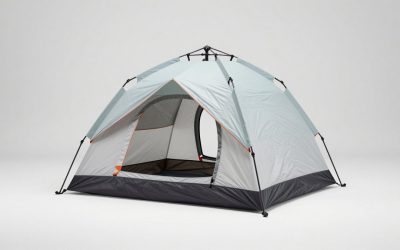
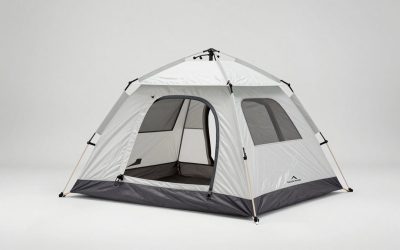
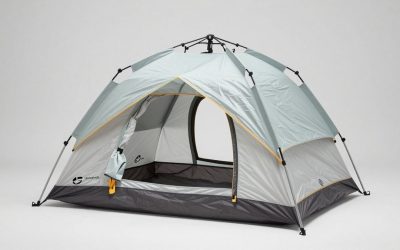
The Copper Spur HV UL2 is the do-everything shelter. This freestanding tent weighs about three pounds, pitches anywhere including rock, and offers two doors, two vestibules and roomy livability. For most backpackers who want the best balance of protection, comfort and weight, it is the safe, versatile choice.
Its thin floor needs care and it is pricier and heavier than tarps or bivies. For hikers who want full weather protection, room to wait out storms, and a go-anywhere pitch, though, it is the benchmark backpacking shelter and the type most people should start with before going lighter.
Durston X-Mid 2 — Best Value Ultralight
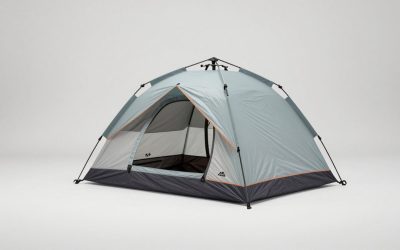
The X-Mid 2 is the value path to lower weight. At about two pounds this trekking-pole tent uses your hiking poles and a double-wall design for condensation control, at a price far below most ultralight shelters, with two doors. For hikers ready to shed weight affordably, it is the standout value.
It needs stakes, poles and a taut pitch on soil, so it suits some experience over beginners. For those willing to learn the pitch, though, it delivers real weight savings and double-wall comfort at a mid price, bridging the gap between a heavy tent and a pricey ultralight shelter.
Zpacks Duplex — Best Ultralight
The Duplex is the ultralight benchmark. At about a pound and three ounces it uses Dyneema and trekking poles to create a roomy two-person shelter with two doors, dramatically cutting weight over a tent. For weight-obsessed hikers who want the lightest livable shelter, it is exceptional.
It is expensive, single-wall condensation can be an issue, and it needs a careful pitch on decent ground. For disciplined ultralighters who prize the lowest weight and handle gear carefully, though, nothing quite matches it, and it shows how light a real backpacking shelter can be.
Warbonnet Blackbird — Best Forest Camping
The Blackbird is the shelter for forested terrain. This comfortable gathered-end hammock with an integrated bug net and gear shelf gets you off uneven, rocky or wet ground where tents struggle, offering a superb sleep between two trees. For hikers in wooded country, it is a comfortable alternative to a tent.
It needs trees, a tarp and an underquilt for a complete, warm system, adding cost and weight. For backpackers who hike where trees are reliable and want to escape poor ground for a comfortable hang, though, it is the best hammock base and a genuinely different way to sleep out.
Zpacks Flat Tarp — Best Minimalist
The Zpacks Flat Tarp is the minimalist’s shelter. Made from waterproof Dyneema, it offers full-size coverage that does not sag when wet at just a few ounces, pitching many ways over the ground. For ultralighters who want the lowest weight and maximum versatility, it is the featherweight choice.
It is expensive, offers no bug protection or enclosed floor, and demands skill to pitch well in weather. For experienced ultralighters comfortable with an open shelter who want the absolute lowest weight, though, it is best-in-class, often paired with a bivy or bug net for a complete minimalist system.
Outdoor Research Helium Bivy — Best Fast-and-Light
The Helium Bivy is the fast-and-light cocoon. This fully waterproof, breathable bivy with real headroom and a bug screen shelters one hiker at low weight and packs tiny, ideal for solo missions and alpine bivies where a tent is overkill. For minimalist solo trips, it is a superb weatherproof choice.
It offers little living space and can feel confining in prolonged bad weather. For solo hikers and climbers who want a light, weatherproof shelter for fast trips and do not need room to move, though, it is a durable, packable option that pairs well with a tarp for extra weather coverage.
What Backpacking Shelters Cost in 2026
Backpacking shelters span budget to premium, so timing helps. A couple of current market forces affect what these cost and when to buy, without changing which type fits your trips.
Tariffs Pressure Materials
Shelters use imported fabrics and, for tents, aluminum poles under tariffs that remain in place. Brands have described future pricing as a moving target, so committing to the shelter type you want, rather than waiting indefinitely, is a reasonable call this year.
The effect is uneven. Premium ultralight and cottage shelters have largely held pricing, while mainstream tents see more discounting. Value buyers should watch mainstream freestanding tents and the Durston X-Mid for closeouts, and treat Dyneema shelters as fixed investments.
Buy Ahead of Season
Shelters sell hardest heading into backpacking season, so buying ahead secures the model and lets you practice pitching. Fall sale events like Prime Big Deal Days in early October and Black Friday in late November bring the deepest discounts on mainstream tents.
Cottage ultralight shelters rarely discount deeply and can have lead times, so for those, availability matters more than a markdown. Mainstream tents regularly drop during fall events, so patience often pays off on the tent side of a backpacking shelter guide.
Match the Shelter to Your Trips
The best value is the shelter type that fits how and where you hike: a versatile tent, a light trekking-pole shelter, a forest hammock or a minimalist tarp or bivy. Buying the wrong type for your terrain or skill wastes money, so match the shelter to your trips, weather and experience.
If a specific shelter is prone to selling out, buy early rather than gambling on peak-season stock. Missing the right shelter before a trip means settling, so decide your type, then lock in the model that suits your weight goals, weather and comfort needs for the trips you actually take.
Frequently Asked Questions
These are the questions hikers ask most about backpacking shelters.
What shelter does a backpacking shelter guide recommend for beginners?
A freestanding tent like the Big Agnes Copper Spur. A good backpacking shelter guide points beginners to freestanding tents because they pitch easily anywhere and offer the best balance of weather protection and comfort. Tarps, hammocks and trekking-pole tents reward experience and save weight later.
Tent, tarp, hammock or bivy?
Tents balance protection and comfort for most hikers, tarps and bivies save the most weight for ultralighters, and hammocks excel in forested, uneven terrain. Match the type to your weather, terrain, weight goals and comfort. Beginners usually start with a tent, then go lighter as they gain skill.
Are hammocks good for backpacking?
In the right terrain, yes. Hammocks get you off rocky, wet or uneven ground and can be very comfortable, but they need trees, plus a tarp and underquilt for a complete, warm system. In treeless or alpine terrain, a tent or tarp is the better backpacking shelter choice.
How light can a backpacking shelter be?
Very light. Dyneema trekking-pole tents like the Duplex weigh just over a pound, flat tarps a few ounces, and bivies around a pound, versus three pounds or more for a comfortable freestanding tent. The lightest options trade comfort and protection for weight, so balance the two for your trips.
See More:
- Best hiking backpack
- Best backpacking backpack
- Ultralight hiking backpack
- Best hydration backpack
- Best hiking backpack for women
Final Thoughts
A backpacking shelter guide comes down to matching a type, tent, tarp, hammock or bivy, to your weight goals, weather and terrain. The Copper Spur HV UL2 is the all-around pick, the Durston X-Mid 2 leads value ultralight, and a hammock or tarp suits the right hiker. Start comfortable, learn the pitch, and go lighter as your skills grow.


Write Your Review
No reviews yet. Be the first to share your experience!