
Key takeaways
Backpack rain cover guide basics are simple: a cover is the lightest, cheapest way to keep a non-waterproof pack dry in the rain. This guide explains how to size a cover, what waterproofing ratings mean, and names six top picks so your gear stays dry.
As an Amazon Associate we earn from qualifying purchases.
Our top picks


As an Amazon Associate we earn from qualifying purchases at no extra cost to you. Ratings are shown as listed on Amazon.
By Jake Thompson
How to Use This Backpack Rain Cover Guide
The core of any backpack rain cover guide is matching a cover to your pack volume, then checking waterproofing and attachment. A cover adds only ounces and dollars, yet keeps rain off a pack that is not otherwise waterproof, so it earns a place in most kits.
Size the Cover to Your Pack
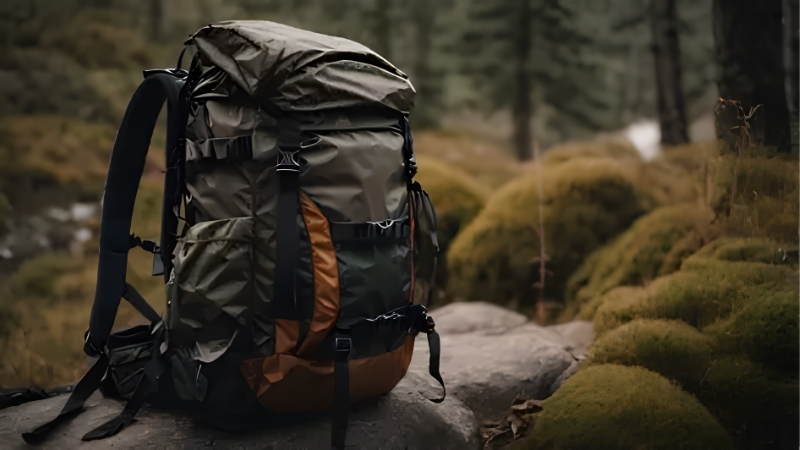
Covers come in size ranges by liters, and fit is everything. A cover that is too small will not reach the bottom of your pack, while one too large balloons in wind and slips off. Match the cover to your pack volume, ideally within about 10 liters of its capacity.
Watch the sizing charts, since brands label sizes differently. A 65L pack usually wants a medium in one brand and a large in another, so check the specific range rather than assuming. When in doubt, size to the loaded volume of your pack with external gear attached.
Check the Waterproofing Rating
Not all covers are equally waterproof. A truly waterproof cover has taped or seamless construction and a high hydrostatic head, ideally 10,000mm or more for heavy rain. Covers labeled only water-resistant use a DWR coating without seam sealing and wet through in sustained downpours.
Match the rating to your climate. If you hike in wet regions or carry electronics, choose a fully waterproof cover with sealed or seamless construction. For occasional light drizzle, a water-resistant cover may suffice, though a fully waterproof one is safer insurance.
Prioritize Secure Attachment
A cover that blows off is useless, so attachment matters. Look for a full-wrap cinch, keeper straps that pull the cover snug across the harness, and ideally hipbelt and shoulder-strap attachments. These keep the cover from ballooning or slipping in high wind on exposed terrain.
Elastic drawstring covers are simple and fit irregular pack shapes, but they are less secure than cross-buckle or harness-tethered designs in strong gusts. For windy, exposed hikes, prioritize a cover with a secure attachment system over one that relies on elastic alone.
Weigh Packability and Extras
Because a cover lives in your pack most of the time, packed size and weight matter. The lightest covers weigh two to four ounces and pack down to the size of a lime or tennis ball in an attached stuff sack, so they tuck into a hipbelt pocket without bulk.
Useful extras include reflective strips or a blinker loop for roadside visibility, a drain hole to shed pooled water, and a durable bottom panel. Do not over-buy features, but a high-visibility option is worth considering if you hike near roads or in low light.
Top Picks From This Backpack Rain Cover Guide
These six span ultralight covers, high-visibility options and storm-ready designs, all easy to size to your pack. This backpack rain cover guide lays out the specs in the table, then breaks down who each pick suits and its honest drawbacks.
| Model | Weight | Sizes (Fits) | Best For | Price Tier |
|---|---|---|---|---|
| Osprey Ultralight Raincover | ~3-4 oz | 30-110L | All-around hiking | Mid |
| Sea to Summit Ultra-Sil | ~2 oz | 15L and up | Ultralight | Mid |
| REI Co-op Duck’s Back | ~3 oz | 18-100L | Irregular pack shapes | Budget |
| Osprey Hi-Visibility Raincover | ~4 oz | 30-75L | Roadside visibility | Mid |
| Mystery Ranch Pack Fly | ~5 oz | Varies | Storms and wind | Premium |
| Zpacks eVent Cover | ~2 oz | Varies | Breathable ultralight | Premium |
Osprey Ultralight Raincover — Best All-Around
The Osprey Ultralight Raincover is the versatile default. Its 40D ripstop nylon covers packs from 30 to 110 liters across sizes, a full-wrap cinch plus harness and hipbelt attachments keep it snug in wind, and reflective strips and a blinker loop add visibility. It packs to tennis-ball size in an attached sack.
It relies on a DWR coating rather than fully sealed seams, so it can wet through in an extreme sustained downpour, and it takes a few tries to re-stuff neatly. For standard three-season hiking, though, it is the reliable set-it-and-forget-it choice for most packs.
Sea to Summit Ultra-Sil — Best Ultralight
The Ultra-Sil Pack Cover is the gram-counter’s pick. Made from seamless 30D Ultra-Sil Cordura, it is fully waterproof yet weighs about two ounces, with keeper straps that pull it snug across the harness. It packs down to the size of a lime in its attached mini stuff sack.
The thin 30D fabric is less durable than heavier covers and can snag on brush over time, and it is minimal on extras. For ultralight backpackers who still demand serious, seamless rain protection at the lowest weight, though, it is the undisputed champion.
REI Co-op Duck’s Back — Best for Irregular Packs
The Duck’s Back is the value pick for oddly shaped packs. Its silicone-coated ripstop has water-tight seams and a drain hole, and an elastic drawstring with a securing hook wraps snugly around packs from 18 to 100 liters across five sizes. It fits non-Osprey and irregular pack shapes especially well.
The elastic closure is simple but less secure than a cross-buckle strap in high wind, and the design is more basic than premium covers. For hikers with unusual pack shapes who want reliable, affordable protection, though, its custom-like seal is hard to beat.
Osprey Hi-Visibility Raincover — Best for Roadside Visibility
The Hi-Visibility Raincover pairs rain protection with safety. Its bright yellow fabric and reflective back patterns make you visible near roads and in low light, while a wrap-around belt and harness attachments secure it like the standard Osprey cover. It compresses to tennis-ball size for easy stashing.
Like other DWR covers it can wet through in extreme downpours, and its high-visibility color is not exactly low-profile if you prefer to blend in. For hikers who walk roads, bike trails or hunt in low light, though, the added visibility is a genuine safety benefit.
Mystery Ranch Pack Fly — Best for Storms
The Pack Fly is built for extreme weather. Its secure harness attachment tethers the cover in place even when gusts threaten to pull standard covers away, and its silhouette sheds water efficiently rather than pooling. For mountaineering and exposed ridgeline treks, it is the storm-ready choice.
It is heavier and pricier than casual covers, and it is overkill for gentle drizzle. For hikers who face intense, multi-day storms on exposed terrain where wind protection matters as much as water resistance, though, its secure, wind-resistant design earns its premium.
Zpacks eVent Cover — Best Breathable Ultralight
The Zpacks eVent Cover is a niche ultralight standout. At about two ounces it uses breathable eVent fabric, a Gore-Tex cousin, so it sheds rain while letting some moisture escape, reducing the clammy condensation that builds under non-breathable covers on long, wet days.
It is expensive and the delicate fabric rewards careful handling, making it a specialist choice rather than a rugged everyday cover. For ultralight hikers who want breathable rain protection at minimal weight and do not mind the premium, though, it is a unique option.
What Rain Cover Prices Look Like in 2026
Rain covers are inexpensive, but timing and materials still matter. A couple of current market forces affect what covers cost and when to buy, without changing which one fits your pack.
Materials Feel Modest Cost Pressure
Covers use imported coated nylons, and material tariffs add modest cost. Prices remain low overall, but future pricing is described as uncertain, so if you know the cover you want, buying now is a reasonable hedge rather than waiting for prices that may creep up next season.
The impact is small at this price point. Mainstream covers see occasional discounting, while cottage covers like the Zpacks rarely drop. For budget buyers, watching mainstream models like the Osprey and REI covers for sales is the surest way to save a few dollars.
Buy Ahead of Rainy Season
Covers sell hardest heading into wet seasons, so buying ahead of a trip ensures you get the right size and can practice fitting it before a storm. There is no worse time to learn a cover is too small than at a trailhead as the clouds open up.
Fall sale events like Prime Big Deal Days in early October and Black Friday and Cyber Monday in late November bring occasional cover discounts. Since covers are cheap, though, buying the right size promptly usually matters more than chasing a small markdown.
Buy the Right Size, Not the Cheapest
A cover that does not fit your pack is wasted money, so match the size range carefully rather than grabbing the cheapest option. A well-sized, well-sealed cover that stays put in wind protects your gear far better than a bargain cover that balloons or leaks.
If your pack volume sits between sizes, size up slightly and use the cinch to snug it down, rather than choosing a cover too small to reach the bottom. Getting the fit right the first time saves both money and a soaked kit.
Frequently Asked Questions
These are the questions hikers ask most about pack covers.
How do I use a backpack rain cover guide to pick a size?
Match the cover’s liter range to your pack volume, ideally within about 10 liters. A good backpack rain cover guide stresses that brand sizing varies, so check the specific range for a 65L pack rather than assuming, and size to your loaded volume with external gear.
Are rain covers fully waterproof?
The best ones are, with seamless or taped construction and a high hydrostatic head. Covers labeled only water-resistant use a DWR coating and wet through in downpours. For wet climates or electronics, choose a fully waterproof cover, and consider a dry-bag liner as backup.
Will a rain cover keep everything dry?
Mostly, but not perfectly. Covers shed rain off the pack body, yet water can still seep in at the back panel or where straps meet the pack. For full protection, pair a cover with a dry-bag liner or dry sacks for critical gear like your sleep system and electronics.
Do I need a cover if my pack is water-resistant?
Often, yes. Most hiking packs are only water-resistant and wet through in sustained rain, so a cover adds cheap, lightweight insurance. If your pack is fully waterproof with welded seams and a roll-top, a cover is redundant, but for typical packs it is worth carrying.
See More:
- Best hiking backpack
- Best backpacking backpack
- Ultralight hiking backpack
- Best hydration backpack
- Best hiking backpack for women
Final Thoughts
This backpack rain cover guide comes down to sizing the cover to your pack, checking its waterproofing, and choosing secure attachment for windy days. The Osprey Ultralight is the reliable all-rounder, the Sea to Summit Ultra-Sil wins on weight, and the Pack Fly handles storms. Match size and rating to your pack and climate, and your gear stays dry for a few ounces.

Write Your Review
No reviews yet. Be the first to share your experience!