
Key takeaways
What's inside
Best 3 season tent shopping targets the most versatile shelter category: light, livable tents for spring through fall, the conditions most backpackers face. This guide compares six top picks by weight, livability, weather protection and value so you choose well.
As an Amazon Associate we earn from qualifying purchases.
As an Amazon Associate we earn from qualifying purchases.


By Jake Thompson
How to Choose the Best 3 Season Tent
Choosing the best 3 season tent means balancing weight, livability, weather protection and price for spring-through-fall trips below treeline. Three-season tents are the most versatile and popular category, using breathable mesh and a full-coverage fly, so knowing the tradeoffs helps you pick the right one.
Understand What Three-Season Means
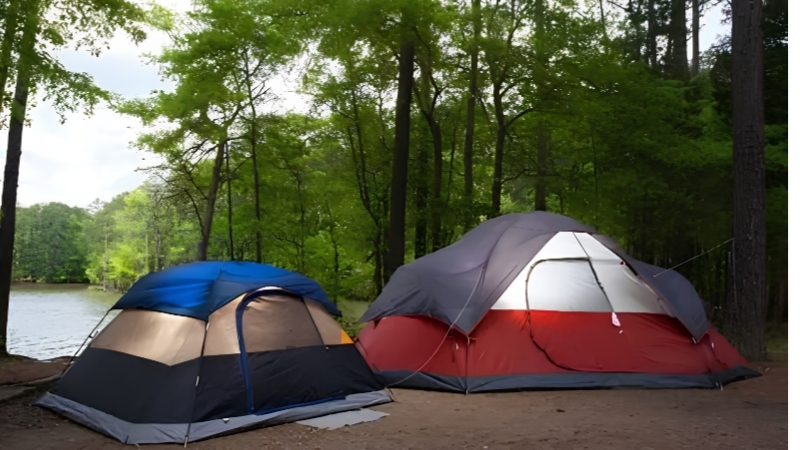
A three-season tent is built for spring, summer and fall below treeline, handling rain, wind and warm nights, but not heavy snow load or extreme winter storms. It pairs a breathable mesh inner for ventilation with a waterproof fly for weather, making it light, airy and versatile for most trips.
This is the right category for the vast majority of backpackers, since most trips happen in mild-to-moderate conditions. Only regular winter or high-alpine campers need a heavier four-season tent, so unless you camp in snow, a three-season tent is lighter, cheaper and plenty for your needs.
Pick a Structure for Your Terrain
Three-season tents come freestanding, semi-freestanding and trekking-pole. Freestanding tents pitch anywhere including rock and offer the most space, semi-freestanding shave weight but need corner stakes, and trekking-pole tents are lightest but need flat soil and practice to pitch taut.
For most hikers, freestanding is the easier, more forgiving choice, especially on varied ground. Ounce-conscious hikers who already carry poles can save one to two pounds with a trekking-pole tent. Match the structure to your terrain and how much fuss you will tolerate at day’s end.
Weigh Weight Against Livability
Three-season tents range from about a pound to over five packed. Ultralight models shave ounces with tighter interiors and thin fabrics, while roomier tents add comfort at a weight penalty. Peak height, floor width, doors and vestibules all shape how livable the tent feels.
Decide your balance. Weight-obsessed hikers accept a snug, light tent, while those who value elbow room or wait out storms prefer more space. For sharing, two doors and two vestibules transform comfort, so prioritize those if livability matters more to you than the absolute lowest weight.
Consider Weather Protection and Value
Most quality three-season tents are double-wall, managing condensation well with a mesh inner and waterproof fly. Check for a full-coverage fly and sturdy poles for weather, and weigh durability against price, since thin ultralight floors need care or a footprint to last.
Match protection and value to your trips. Three-season double-wall tents suit most backpacking, and a slightly heavier, more durable tent is often the better value for frequent or less careful users. Let your budget and how hard you are on gear guide the final choice among strong options.
Top Picks: The Best 3 Season Tent for 2026
These six span freestanding all-rounders, ultralight shelters and value picks, all versatile three-season tents. The best 3 season tent depends on your priorities, so scan the table, then read each pick for who it suits and its honest drawbacks.
| Model | Type | Packed Weight | Best For | Price Tier |
|---|---|---|---|---|
| Big Agnes Copper Spur HV UL2 | Freestanding | ~3 lb | Best overall | Premium |
| MSR Hubba Hubba LT 2 | Freestanding | ~3 lb 6 oz | All-around | Premium |
| NEMO Dagger OSMO 2 | Freestanding | ~4 lb | Livability | Premium |
| REI Co-op Half Dome SL 2+ | Freestanding | ~3 lb 10 oz | Value comfort | Budget |
| Durston X-Mid 2 | Trekking-pole | ~2 lb | Value ultralight | Mid |
| Big Agnes Tiger Wall UL2 | Semi-freestanding | ~2 lb 3 oz | Lightweight comfort | Premium |
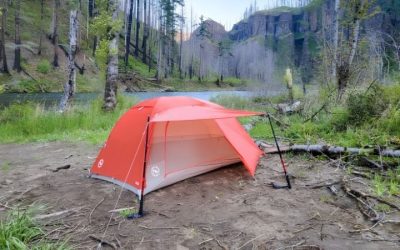
Big Agnes Copper Spur HV UL2 — Best Overall
The Copper Spur HV UL2 is the do-everything three-season pick. This freestanding, double-wall tent weighs about three pounds, pitches fast with hubbed color-coded poles, and offers two doors, two vestibules and generous headroom. Its blend of low weight, livability and quality makes it the best all-around choice.
Its thin 15-20D floor is delicate and needs care or a footprint, and it is pricey. For hikers who get out often and want a light, livable, well-built three-season tent that lasts years, though, it is the benchmark and hard to beat overall. It comes in one- through four-person sizes.
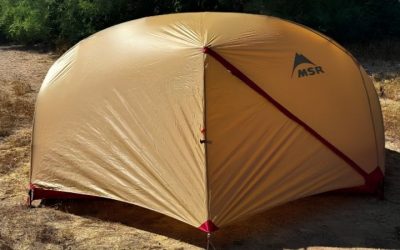
MSR Hubba Hubba LT 2 — Best All-Around Alternative
The Hubba Hubba LT 2 is a proven three-season staple. This freestanding tent weighs about three and a half pounds, sets up quickly with hubbed clipless poles, and offers two doors, good headroom and standout interior storage. It is a balanced, well-rounded shelter that belongs on most shortlists.
Its 20-denier floor is thin, it is a few ounces heavier than the Copper Spur, and the roomier layout is slightly less wind-worthy than the old Hubba. For hikers who want a proven, livable all-rounder with excellent organization, though, it is an excellent choice for three-season trips.
NEMO Dagger OSMO 2 — Best Livability
The Dagger OSMO 2 is the comfort pick. This freestanding tent trades some weight for a roomy interior, two doors with dual zippers each, and standout storage, and its OSMO fabric holds a taut pitch when wet. For hikers who want to spread out and wait out rainy nights comfortably, it excels.
At around four pounds it is heavier than lighter rivals, and its value is middling for the weight given the price. For backpackers who prioritize interior comfort and a stable wet-weather pitch over the lowest weight, though, it is a superb, well-rounded three-season shelter.
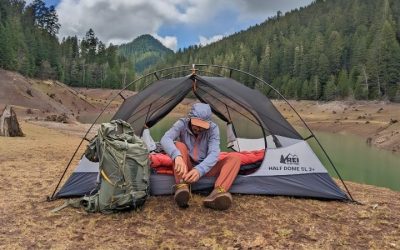
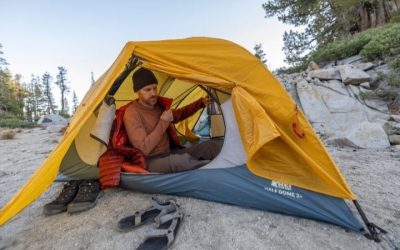
REI Co-op Half Dome SL 2+ — Best Value Comfort
The Half Dome SL 2+ is the value pick. This freestanding tent delivers generous floor space, a wide interior, two doors and a durable build at a price well below premium tents. For hikers who want room to spread out on weekend trips without spending up, it is hard to beat for the money.
At around three and a half to four pounds it is heavier and bulkier than ultralight tents, so gram-counters will look elsewhere. For recreational backpackers who value livable space, durability and value over the lowest weight, though, its comfort-per-dollar is excellent, backed by REI’s return policy.
Durston X-Mid 2 — Best Value Ultralight
The X-Mid 2 is the value ultralight pick. At about two pounds this non-freestanding trekking-pole tent uses a rare double-wall design for condensation control and costs far less than most ultralight tents, with two doors. For hikers who carry poles and want to shed weight affordably, it is an incredible value.
Being non-freestanding, it needs stakes and trekking poles and a trickier pitch on flat-ish ground, so it suits experienced hikers over beginners. For those who want low weight, double-wall comfort and two doors at a mid price, though, it is one of the best three-season values available.
Big Agnes Tiger Wall UL2 — Best Lightweight Comfort
The Tiger Wall UL2 balances low weight with comfort. At about two pounds three ounces this semi-freestanding double-wall tent offers two doors and two vestibules with more livability than most sub-two-pound shelters, and it pitches more easily than a trekking-pole tent. For weight-conscious hikers who want comfort too, it is a strong pick.
Its thin fabrics are delicate and need care, it is snug for two taller hikers, and as a semi-freestanding design it needs corners staked. For hikers who want two doors and real double-wall comfort at a low weight without a Dyneema price, though, it is an excellent three-season choice.
What 3-Season Tent Prices Look Like in 2026
Three-season tents span budget to premium, so timing helps. A couple of current market forces affect what these tents cost and when to buy, without changing which model fits your trips.
Tariffs Still Pressure Materials
Tents use imported technical fabrics and aluminum poles, and metal tariffs remain in place. Brands have described future pricing as a moving target, so committing to a tent you already like, rather than waiting indefinitely, is a reasonable call this year.
The effect is uneven. Premium and cottage tents have largely held pricing, while mainstream and value tents see more discounting. Value-focused buyers should watch the Half Dome and mainstream freestanding tents for closeouts.
Buy Ahead of Backpacking Season
Three-season tents sell hardest heading into spring and summer, so buying ahead ensures you get the model you want and can practice pitching it at home. Fall sale events like Prime Big Deal Days in early October and Black Friday and Cyber Monday in late November bring the deepest discounts.
Cottage ultralight tents rarely discount deeply and can have lead times, so for those, availability matters more than a markdown. Mainstream three-season tents, though, regularly drop during fall events, so patience often pays off on freestanding and value models.
Protect the Floor
A three-season tent is a big-ticket item, so protect it. Buying a matching footprint extends a thin floor’s life for years at a small cost, cheaper than replacing a punctured floor. Spend on a durable, well-fitted tent you will use for many seasons rather than the cheapest option.
If a specific model is prone to selling out, buy early rather than gambling on peak-season stock. Missing the right tent before a trip costs more than a small discount, and a quality three-season shelter you care for is one of the most-used investments in your backpacking kit.
Frequently Asked Questions
These are the questions hikers ask most about three-season tents.
What is the best 3 season tent for most backpackers?
A freestanding, double-wall model like the Big Agnes Copper Spur or REI Half Dome. The best 3 season tent for most hikers balances low weight, livability and easy setup, handling the spring-through-fall conditions the majority of trips face. Freestanding designs are the safest, most versatile choice.
Can a 3 season tent handle winter?
Not real winter. A three-season tent lacks the pole strength and fabric coverage for heavy snow load and extreme wind, so it can fail in true winter conditions. It handles light, unexpected snow and cold nights, but regular winter or high-alpine camping needs a four-season tent instead.
Freestanding or trekking-pole for three seasons?
Freestanding is easier and pitches on any ground, ideal for most hikers and beginners, while trekking-pole tents like the X-Mid save weight for those who carry poles and camp on soil. For most three-season trips, freestanding is the safer choice; ounce-counters favor trekking-pole tents.
Do I need a footprint for a 3 season tent?
For tents with thin ultralight floors, yes. A footprint extends floor life by years at a small cost and weight, protecting a pricey shelter. Gram-counters may skip it and choose sites carefully, but for most hikers protecting a big investment, it is smart, inexpensive insurance.
See More:
- Best hiking backpack
- Best backpacking backpack
- Ultralight hiking backpack
- Best hydration backpack
- Best hiking backpack for women
Final Thoughts
The best 3 season tent is the most versatile shelter you can own, covering the spring-through-fall trips most backpackers take. The Copper Spur HV UL2 is the do-everything pick, the Dagger OSMO 2 maximizes livability, and the Durston X-Mid 2 leads value ultralight. Match the structure to your terrain, protect the floor, then time a sale, and one tent will serve most of your trips.

Write Your Review
No reviews yet. Be the first to share your experience!