
Key takeaways
What's inside
Best ultralight tent shopping is about shedding pounds without giving up a dry, livable shelter. Modern ultralight tents dip near or under two pounds using exotic fabrics and clever structures. This guide compares six top featherweight shelters so you can pick the right one.
As an Amazon Associate we earn from qualifying purchases.
As an Amazon Associate we earn from qualifying purchases.


By Jake Thompson
How to Choose the Best Ultralight Tent
Choosing the best ultralight tent means balancing weight against structure, livability and weather protection. Cutting ounces usually means thinner fabrics, fewer poles and a trickier pitch, so knowing which tradeoffs you can accept is the key to a light shelter that still keeps you comfortable and dry.
Understand the Weight Tradeoffs
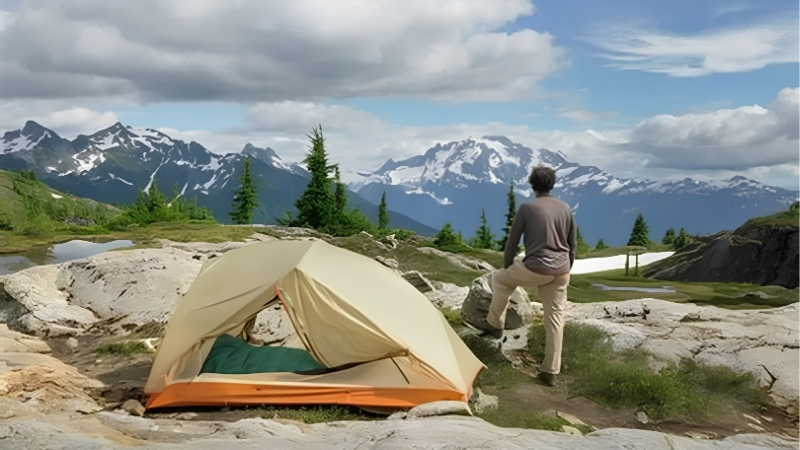
Ultralight tents shed weight with thin, exotic fabrics like Dyneema, minimal or no dedicated poles, and tighter interiors. Those choices save one to two pounds over standard tents but mean more care in handling, a snugger space, and often a trekking-pole setup. Know what you are trading for the low weight.
Decide how far down the weight scale you want to go. Sub-two-pound freestanding-style tents keep more comfort and durability, while sub-one-pound Dyneema shelters demand careful site selection and trekking poles. Match the weight target to your experience and how much fuss you will tolerate.
Pick a Structure That Suits You
Ultralight tents span semi-freestanding designs that stake two corners, and non-freestanding trekking-pole shelters that rely entirely on stakes and poles. Trekking-pole tents are lightest since they skip dedicated poles, but they need flat-ish soil and practice to pitch taut.
Match the structure to your terrain and skills. If you already carry trekking poles and camp on soil, a trekking-pole tent saves the most weight. If you value an easier, more forgiving pitch on varied ground, a semi-freestanding ultralight tent is the safer choice despite a few extra ounces.
Weigh Livability Against Ounces
Ultralight tents trade interior space for weight, so many are snug for their rated capacity. A two-person ultralight tent may feel tight with two, and peak height and vestibule space are often minimal. Decide how much livability you need versus how badly you want the lowest weight.
Two doors and two vestibules add real comfort for sharing, but cost ounces. Solo hikers and disciplined gram-counters accept the tightest, lightest shelters, while those who value elbow room or wait out storms should size up or choose a roomier ultralight design and carry a little more.
Manage Fabrics and Condensation
Ultralight fabrics like Dyneema are strong for their weight and waterproof, but puncturable and pricey, while thin silnylon and silpoly save money at some weight. Single-wall ultralight tents shed the most weight but can get clammy, while double-wall designs manage condensation better.
Match fabric and wall design to your priorities and climate. Dyneema suits weight-obsessed thru-hikers who handle gear carefully, while a double-wall ultralight tent better manages condensation for humid trips. A footprint or careful site selection protects thin floors and extends a pricey tent’s life.
Top Picks: The Best Ultralight Tent for 2026
These six span sub-one-pound Dyneema shelters to sub-two-pound semi-freestanding tents, for solo and two-person use. The best ultralight tent depends on your weight target and skills, so scan the table, then read each pick for who it suits and its honest drawbacks.
| Model | Capacity | Type | Packed Weight | Price Tier |
|---|---|---|---|---|
| Zpacks Duplex | 2P | Trekking-pole (DCF) | ~1 lb 3 oz | Premium |
| NEMO Hornet Elite OSMO 2 | 2P | Semi-freestanding | ~2 lb 1 oz | Premium |
| Durston X-Mid 2 | 2P | Trekking-pole | ~2 lb | Mid |
| Big Agnes Tiger Wall UL2 | 2P | Semi-freestanding | ~2 lb 3 oz | Premium |
| Zpacks Pivot Solo | 1P | Trekking-pole (DCF) | ~1 lb 13 oz | Premium |
| Big Agnes Fly Creek HV UL1 | 1P | Semi-freestanding | ~1 lb 15 oz | Premium |
Zpacks Duplex — Best Ultralight Overall
The Duplex is the thru-hiker’s benchmark. At about a pound and three ounces it is astonishingly light, using waterproof Dyneema Composite and trekking poles to create a roomy two-person single-wall shelter with two doors and two vestibules. For weight-obsessed hikers, it is the standout ultralight tent.
It is expensive, its single-wall design can collect condensation in humid conditions, and as a non-freestanding tent it needs a careful stake-out on decent ground. For disciplined ultralighters who want the lowest livable weight for a two-person shelter, though, nothing quite matches it.
NEMO Hornet Elite OSMO 2 — Best Semi-Freestanding
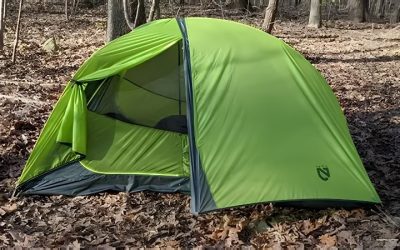
The Hornet Elite OSMO 2 is the easiest-pitching ultralight pick. At around two pounds it is one of the lightest double-wall, semi-freestanding tents, using minimal poles and thin fabrics to shave ounces while keeping two doors and a more forgiving pitch than a trekking-pole tent. For weight-conscious hikers wary of a fussy setup, it is ideal.
Its interior is snug, its thin materials are delicate, and it is expensive, and it still needs two corners staked for a full pitch. For gram-counters who want a livable double-wall tent that pitches more easily than a Dyneema shelter, though, its weight-to-comfort balance is exceptional.
Durston X-Mid 2 — Best Value Ultralight
The X-Mid 2 is the value standout. At about two pounds this non-freestanding trekking-pole tent uses a rare double-wall design for condensation control and costs far less than most ultralight tents. For hikers who carry poles and want to shed weight affordably, it is an incredible value.
Being non-freestanding, it needs stakes and trekking poles and a trickier pitch on flat-ish ground, so it suits experienced hikers over beginners. For those who want low weight, double-wall comfort and a premium design at a mid price, though, it is hard to beat and a frequent value winner.
Big Agnes Tiger Wall UL2 — Best Freestanding-Style Comfort
The Tiger Wall UL2 balances ultralight weight with comfort. At about two pounds three ounces this semi-freestanding double-wall tent offers two doors and two vestibules with more livability than most sub-two-pound shelters, and it pitches more easily than a trekking-pole tent. For couples who want light weight plus comfort, it is a strong pick.
Its thin fabrics are delicate and need care, it is snug for two taller hikers, and as a semi-freestanding design it needs corners staked. For weight-conscious pairs who want two doors and real double-wall comfort without a Dyneema price, though, it is an excellent choice.
Zpacks Pivot Solo — Best Solo Ultralight
The Pivot Solo is the featherweight solo pick. At around a pound and thirteen ounces it uses waterproof Dyneema and a trekking pole to create a light, weatherproof one-person shelter with good headroom for its class. For solo thru-hikers who want the lowest livable weight, it is a top choice.
It is expensive, single-wall condensation can be an issue in humid air, and as a trekking-pole tent it needs a careful pitch on decent ground. For disciplined solo ultralighters who prize the lowest weight and handle gear carefully, though, it is a superb, weatherproof shelter.
Big Agnes Fly Creek HV UL1 — Best Solo Freestanding-Style
The Fly Creek HV UL1 is the easier-pitching solo pick. At around two pounds this semi-freestanding double-wall tent uses a hubbed pole to stand mostly on its own, offering a light, weatherproof solo shelter that pitches more forgivingly than a Dyneema tent. For solo hikers wary of trekking-pole setups, it is ideal.
Its single door and tapered, snug interior can feel tight, and its thin fabrics need care. As a semi-freestanding design it still needs the foot staked. For solo hikers who want a light double-wall tent with an easier, more forgiving pitch, though, it is a dependable, weatherproof pick.
What Ultralight Tent Prices Look Like in 2026
Ultralight tents use premium fabrics, so pricing deserves a look. A couple of current market forces affect what these tents cost and when to buy, without changing which model fits your trips.
Premium Fabrics Feel Tariff Pressure
Dyneema, technical nylons and DAC poles are largely imported, and metal tariffs remain in place. Cottage brands run thin margins and have called future pricing a moving target, so buying an ultralight tent you already want beats waiting indefinitely this year.
The picture is uneven. Premium ultralight and cottage makers have mostly held pricing, while mainstream lightweight tents see more discounting. Value-focused buyers should watch the Durston X-Mid and mainstream semi-freestanding tents for closeouts.
Order Cottage Tents Early
Cottage brands like Zpacks and Durston often build to order, so lead times stretch before hiking season. Ordering months ahead gets your tent in hand with time to practice pitching it, rather than waiting weeks before a start date. For these, availability matters more than a holiday markdown.
Mainstream ultralight tents follow the usual calendar, with Prime Big Deal Days in early October and Black Friday and Cyber Monday in late November. Cottage Dyneema tents rarely discount deeply, so for those, buying when in stock beats waiting for a sale that may not come.
Protect a Pricey Shelter
Ultralight tents are an investment, so protect them. A footprint or careful site selection shields thin floors and extends the tent’s life for years at a small cost or none. Spend on a shelter you will use for many trips rather than the cheapest ultralight option that wears out fast.
If a specific cottage model is prone to selling out, order early rather than gambling on peak-season stock. Missing the right tent before a thru-hike costs more than a small saving, so lock in your shelter well ahead of your start date and practice pitching it at home first.
Frequently Asked Questions
These are the questions hikers ask most about ultralight tents.
What counts as the best ultralight tent?
Broadly, a livable shelter under about two pounds. The best ultralight tent for you balances that low weight against structure, livability and weather protection. Dyneema trekking-pole tents go lightest, while semi-freestanding tents near two pounds keep more comfort and an easier pitch.
Are trekking-pole tents worth the fuss?
For weight-conscious hikers who already carry poles, yes. Trekking-pole tents like the Duplex and X-Mid save a pound or more by skipping dedicated poles, but they need flat soil and practice to pitch taut. If you value an easier setup, a semi-freestanding tent is the friendlier choice.
Do ultralight tents hold up in bad weather?
Quality ones do, with waterproof fabrics and full-coverage flies, but their thin materials need care and a good pitch. A taut trekking-pole tent sheds wind and rain well, while a sloppy pitch can flap and leak. For severe conditions, a sturdier design or careful setup matters more.
Is Dyneema worth the price?
For weight-obsessed thru-hikers, often yes. Dyneema is waterproof and extremely light for its strength, shedding ounces no nylon can match, but it is expensive and puncturable. For occasional trips, a silnylon or silpoly ultralight tent delivers most of the weight savings for far less money.
See More:
- Best hiking backpack
- Best backpacking backpack
- Ultralight hiking backpack
- Best hydration backpack
- Best hiking backpack for women
Final Thoughts
The best ultralight tent balances low weight against livability and an acceptable pitch. The Zpacks Duplex leads for weight-obsessed thru-hikers, the Durston X-Mid 2 wins on value, and the Hornet Elite and Tiger Wall keep more comfort. Match the structure to your skills and terrain, protect the floor, then order early, and you will shed pounds without a soggy night.

Write Your Review
No reviews yet. Be the first to share your experience!