
Key takeaways
What's inside
Kids hiking backpack shopping is about fit, safety and growing room, so a young hiker carries their own gear comfortably without strain. This guide compares six top youth packs by fit, capacity, adjustability and comfort for day hikes and overnights.
As an Amazon Associate we earn from qualifying purchases.
By Jake Thompson
How to Choose a Kids Hiking Backpack
Choosing a kids hiking backpack means prioritizing proper fit and a safe, light load over features. A pack sized for a child’s shorter torso and narrower shoulders, with room to grow, keeps hiking comfortable and fun, which is what keeps young hikers wanting to come back to the trail.
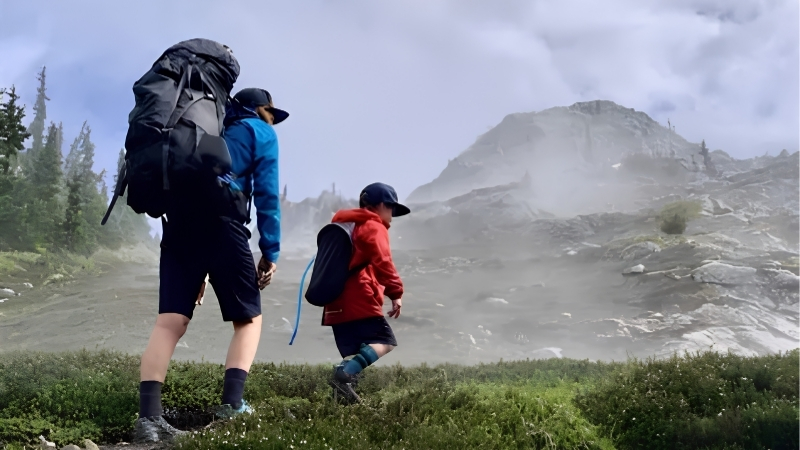
Keep the Load Light and Safe
Pediatric guidance suggests a child carry no more than about 10-20% of their body weight, so a 50-pound child should carry roughly 5-10 pounds loaded. Quality youth packs use light materials to stay under that, and keeping the load light protects growing backs and keeps hiking enjoyable.
For toddlers, a pack is about independence, not hauling, so a few pounds of snacks and treasures is plenty. Build up load gradually as a child grows and gets stronger, and never overload a young hiker, since a heavy pack quickly turns a fun hike into a miserable one.
Prioritize Fit and Adjustability
Kids’ packs are not just small adult packs, since they use shorter torsos, narrower straps and smaller hipbelts engineered for developing bodies. An adjustable torso is key, letting the pack grow with your child over years rather than being outgrown in a season. Match the torso range to your child.
Look for generous torso adjustment, from a few inches on smaller packs to five or more on youth backpacking packs. A near-custom fit that adjusts as your child grows turns a pack into a multi-year investment, which matters given how fast kids outgrow gear. Fit trumps every other feature.
Match Capacity to the Adventure
Kids’ packs span small day packs around 12-18 liters to youth backpacking packs of 38-50 liters or more. A daypack holds snacks, water and a layer, while a 38-50 liter pack lets a child carry a sleeping bag and their own gear on overnights. Match the capacity to your outings.
Do not oversize, since a big empty pack sags and tempts overpacking, which strains young backs. For most families, an 18-liter daypack covers day hikes, and a 38-50 liter youth pack handles first backpacking trips. Size to the adventure rather than buying the biggest option.
Look for Comfort and Durability
Comfort features that make a real difference include padded, ventilated backpanels, S-shaped straps that do not rub little necks, a supportive hipbelt for weight transfer, and a sternum strap for stability. Durable fabrics matter too, since kids are hard on gear and packs often get handed down.
Fun, useful touches like hipbelt pockets for snacks and treasures, an emergency whistle, and bright colors add to the experience. A comfortable, durable, well-fitted pack is what keeps a young hiker smiling on the trail, so prioritize these over gimmicks when choosing a kids’ pack.
Top Picks: The Best Kids Hiking Backpack for Young Hikers
These six span small day packs to youth backpacking packs that grow with your child. The right kids hiking backpack depends on age, size and adventure, so scan the table, then read each pick for who it suits and its honest drawbacks.
| Model | Capacity | Torso Range | Best For | Price Tier |
|---|---|---|---|---|
| Osprey Ace 50 | 50L | Adjustable (up to 5″) | Multi-day, grows with kids | Mid |
| Deuter Fox 40 | 40L | 11-18 in | Featured value | Mid |
| Deuter Fox 30 | 30L | ~10-16 in | Youngest backpackers | Mid |
| REI Co-op Tarn 40 | 40L | 12-16 in | Budget multi-day | Budget |
| REI Co-op Tarn 18 | 18L | Youth | Day hikes | Budget |
| Osprey Ace 38 | 38L | 11-15 in | Smaller kids | Mid |
Osprey Ace 50 — Best Multi-Day
The Ace 50 is the youth pack that grows with your child. It offers up to five inches of torso adjustment, so it lasts from a first backpacking trip until they are a seasoned hiker, and it carries like a real pack with a suspended-mesh backpanel, padded hipbelt and load-lifter straps. For years of use, it is the top pick.
It is bulkier and heavier than some rivals and sits at a mid price, more than a simple daypack. For families who want one durable, real-suspension pack that adjusts through years of growth and first backpacking trips, though, its adjustability and comfort make it a standout. Ace also comes in a 75L.
Deuter Fox 40 — Best Featured Value
The Fox 40 packs adult-grade features into a youth pack. Seven inches of torso adjustment, chimney-style back ventilation, a sleeping bag compartment, a hydration sleeve, side bottle holders, S-shaped straps and an emergency whistle make it a tested value, and its 211D ripstop lasts for years of abuse.
It is slightly pricier than budget youth packs and, at 40 liters with a taller cut, is likely too big for children under about eight. For older kids and even slender adults who want a fully featured, durable backpacking pack, though, it is excellent value. A smaller Fox 30 suits younger hikers.
Deuter Fox 30 — Best for Youngest Backpackers
The Fox 30 is the smallest full-function backpacking pack for kids, letting children as young as six carry their own gear. It has a real chest strap and waist belt, chimney-vent backpanel and useful pockets, so a young child gets genuine load support rather than a toy pack. For first overnights, it is ideal.
Even downsized, it can be a touch big for the very youngest or most slender kids, and it costs more than a basic daypack. For families introducing a six-to-nine-year-old to backpacking with a real, supportive pack, though, it is a purpose-built pick that makes first trips work.
REI Co-op Tarn 40 — Best Budget Multi-Day
The Tarn 40 is the budget youth backpacking pick. Its adjustable spring-steel frame resizes as your child grows across a 12-16 inch torso range, the top lid is removable to save weight, and it is durably built with plenty of pockets. For families wanting real capacity without spending up, it is a smart value.
It is quite deep, which makes it a poor day pack, and its features are basic next to pricier packs. For younger children on overnights and extended day hikes, though, its adjustability and value are hard to beat, backed by REI’s return policy. A Tarn 65 suits taller kids.
REI Co-op Tarn 18 — Best Daypack
The Tarn 18 is the go-to kids’ daypack. Its 18-liter capacity holds a small sleeping bag, a stuffed animal, snacks and side water bottles, and it adds a sternum strap and hipbelt for weight distribution, so it works for day hikes and even minimalist first overnights. It is comfortable even packed full.
As a small daypack it lacks the frame and capacity for real backpacking loads, so it suits day trips and the lightest overnights. For everyday trail adventures with a young hiker, though, its comfort, pockets and low price make it an easy, versatile pick that kids love.
Osprey Ace 38 — Best for Smaller Kids
The Ace 38 sizes Osprey’s youth features down for smaller children. With an 11-15 inch adjustable torso and adjustable hipbelt, it gets a near-custom fit that adjusts as they grow, and it adds a front stash pocket, sleeping pad straps, hipbelt pockets and a top lid in a slim package that transfers weight well.
At 38 liters it will eventually be outgrown by taller teens who need more capacity, and it costs more than budget packs. For smaller kids ready for real backpacking with a properly fitted, weight-transferring pack, though, it is an excellent purpose-built choice that grows with them for years.
What Kids Pack Prices Look Like in 2026
Kids’ packs span budget to mid-price, so timing helps. A couple of current market forces affect what these packs cost and when to buy, without changing which fits your child.
Tariffs Add Modest Cost
Youth packs use imported nylon and frame elements, and metal tariffs add modest cost. Brands have described future pricing as uncertain, so if you already know the pack you want, buying now is a reasonable move, especially since a quality adjustable pack lasts several years.
The effect is uneven. Mid-tier youth packs see occasional discounting, while budget packs like the Tarn are already value-focused. Watching for closeouts on last year’s colors is often the surest way to save on an adjustable pack that will grow with your child.
Buy Ahead of Hiking Season
Youth packs sell hardest ahead of summer and family-trip season, so buying early ensures you get the size you want and can dial in the fit before a trip. Fall sale events like Prime Big Deal Days in early October and Black Friday in late November bring occasional discounts.
Because a quality adjustable pack lasts years, the value math favors buying a good one on sale over replacing a cheap pack yearly. Build a wishlist and track prices into fall, and an adjustable youth pack can get even more affordable per year of use.
Spend on Adjustability, Not Extras
The best value in a kids’ pack is torso adjustability, since it turns a one-season pack into a multi-year one. Spend there rather than on gimmicks, and a well-fitted, adjustable pack that grows with your child costs far less per year than repeatedly replacing outgrown packs.
If a specific size or color is prone to selling out, buy early rather than gambling on peak-season stock. Missing the right size before a family trip costs more than a small discount, and a properly fitted pack is what keeps a young hiker comfortable and happy.
Frequently Asked Questions
These are the questions parents ask most about youth packs.
How much weight should a kids hiking backpack hold?
Pediatric guidance suggests no more than about 10-20% of a child’s body weight. For a 50-pound child, that means roughly 5-10 pounds loaded. A good kids hiking backpack uses light materials to stay under that, and building up load gradually protects growing backs and keeps hiking fun.
At what age can a kid carry a backpacking pack?
Around six for a real backpacking pack, with the smallest full-function packs like the Fox 30 fitting kids that age. Younger children can carry a light daypack with a few pounds of their own snacks and treasures. Always match the pack size and load to the child, not the reverse.
Should I buy an adjustable pack?
Yes, if you want years of use. Adjustable-torso youth packs from Osprey, Deuter and REI grow with your child, lasting several years rather than months. An adjustable pack costs a bit more upfront but far less per year than replacing outgrown packs each season.
Can kids use adult XS packs instead?
Not ideally. An adult extra-small pack has different proportions than a youth pack, which is engineered with shorter torsos, narrower straps and smaller hipbelts for developing bodies. For proper fit and comfort, choose a pack designed for children rather than a downsized adult pack.
See More:
- Best hiking backpack
- Best backpacking backpack
- Ultralight hiking backpack
- Best hydration backpack
- Best hiking backpack for women
Final Thoughts
The best kids hiking backpack is the one that fits properly, keeps the load light and grows with your child. The Osprey Ace 50 and Ace 38 adjust through years of growth, the Deuter Fox packs offer featured value, and the Tarn 18 is a great first daypack. Keep loads light, prioritize adjustable fit, then time a sale, and your young hiker will love the trail.
Write Your Review
No reviews yet. Be the first to share your experience!