
Key takeaways
What's inside
Best trekking backpack hunting means finding a pack that carries multi-day loads in comfort over long mountain routes. This guide compares six top packs by capacity, suspension, weight and comfort so you can pick the right one for treks from weekends to weeks.
As an Amazon Associate we earn from qualifying purchases.
By Jake Thompson
How to Choose the Best Trekking Backpack
Choosing the best trekking backpack comes down to matching capacity, suspension, weight and comfort to your treks. A trekking pack carries a multi-day load over rough terrain, so a comfortable, ventilated suspension and the right volume matter more than shaving every ounce.
Size It for Multi-Day Treks
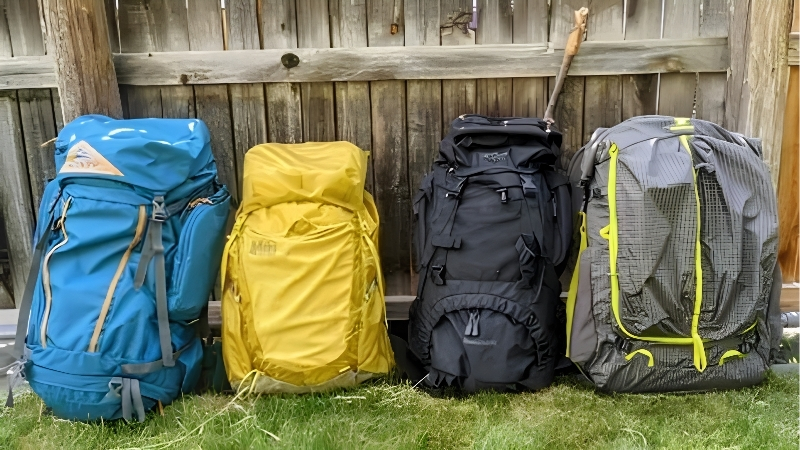
Trekking packs usually run 50-70 liters. Around 50-55 liters suits light multi-day treks, 60-65 liters covers most week-long routes, and 70 liters handles winter or gear-heavy expeditions. Match the volume to your longest trek and whether you carry bulky cold-weather kit.
Base weight shapes the choice. A light kit lets a 55-liter pack stretch to longer treks, while bulky gear may fill 65 liters quickly. Weigh your loaded kit before deciding, since that tells you where in the trekking range your typical multi-day loadout truly lands.
Prioritize a Comfortable Suspension
On a trek you carry the pack for hours over uneven ground, so suspension is king. Ventilated suspended-mesh backpanels keep you cool, while plush contact systems like Gregory’s FreeFloat and Deuter’s Aircontact carry heavy loads with a stable, body-hugging feel. Each lists a load rating to match.
Match the suspension to your loads and climate. Heavy carriers benefit from a plush, load-hugging system, while hot-weather trekkers prioritize airflow. Adjustable torsos, common on trekking packs, let you dial the fit precisely, which shapes trekking comfort more than any single feature.
Weigh Weight Against Features
Trekking packs range from lightweight sub-three-pound models to plush haulers over five pounds. Lighter packs shed padding and organization, while heavier ones add a comfortable suspension and generous pockets that pay off on long treks. Match the weight class to your loads and priorities.
Decide whether you prioritize a light load or maximum comfort and organization. Weight-conscious trekkers lean toward lighter packs, while those carrying heavy multi-day loads value plush suspension. On a long trek, carry comfort often matters more than a couple of pounds of pack weight.
Factor In Durability and Fit
Trekking packs take rugged, multi-day abuse, so durable fabrics and solid hardware matter for reliability far from a resupply. Fit matters just as much, so measure your torso and match it to each pack’s range, favoring adjustable models and women’s-specific versions for a precise fit.
Prioritize a comfortable, well-fitted suspension over pocket count, since a trekking pack that fits well and carries your load comfortably beats a feature-rich one that does not sit right. A durable pack that survives seasons of treks is also the more economical long-term choice.
Top Picks: The Best Trekking Backpack for Multi-Day Routes
These six span lightweight ventilated packs to plush heavy haulers, all built for multi-day treks. The best trekking backpack depends on your loads and climate, so scan the table, then read each pick for who it suits and its honest drawbacks.
| Model | Capacity | Weight | Max Load | Price Tier |
|---|---|---|---|---|
| Osprey Atmos AG 65 | 65L | ~4 lb 10 oz | ~40 lb | Premium |
| Gregory Baltoro 65 | 65L | ~5 lb | ~50 lb | Premium |
| Deuter Aircontact Core 65+10 | 65+10L | ~5 lb 3 oz | ~50 lb | Mid |
| Gregory Zulu 65 | 65L | ~3 lb 11 oz | ~40 lb | Mid |
| Deuter Futura Air Trek 50+10 | 50+10L | ~4 lb 8 oz | ~40 lb | Premium |
| Osprey Exos 58 | 58L | ~2 lb 13 oz | ~35 lb | Mid |
Osprey Atmos AG 65 — Best Overall
The Atmos AG 65 is the do-everything trekking pick. Its AntiGravity suspended-mesh backpanel is class-leading for airflow and comfort, the adjustable harness fits a wide range of torsos, and a durable 210D-over-500D build lasts for years. For treks from weekends to a week under about 40 pounds, it is the safest pick.
It runs over four and a half pounds and its recommended max load was trimmed to roughly 40 pounds, and a few report frame pressure when overloaded. Keep loads sensible, though, and it is the most well-rounded trekking pack available. The women’s version is the Aura AG 65.
Gregory Baltoro 65 — Best for Heavy Loads
The Baltoro 65 is the heavy-load trekking champion. Its FreeFloat A3 Pro suspension and rotating hipbelt track your body over rough ground, carrying loads up to about 50 pounds in class-leading comfort. Nine organized pockets and tough recycled nylon make it ideal for gear-heavy, remote treks.
That comfort is heavy, pushing five to six pounds in larger sizes, and premium-priced, making it overkill for light kits. If you consistently carry big loads on long treks and value comfort over grams, though, few packs match it. The women’s version is the Deva.
Deuter Aircontact Core 65+10 — Best Organized Value
The Aircontact Core is the organized, value-focused trekking hauler. It packs every pocket you could want, three access points and a sleeping bag divider, carries up to about 50 pounds on a plush contact-back system, and expands 10 liters for longer treks, all at a competitive mid-tier price.
It weighs over five pounds and comes in one size relying on its adjustable torso. For trekkers who value staying organized and comfortable over counting grams, though, its features and price make it a standout. The women’s version is the 60+10 SL.
Gregory Zulu 65 — Best Ventilated
The Zulu 65 is the ventilated trekking pick. Its FreeFloat suspended-mesh backpanel keeps you cool over long, hot miles, top, front and bottom access make gear easy to reach, and at around three and three-quarter pounds it balances light weight and comfort. For summer treks, its airflow stands out.
Reviewers find its ventilation and weatherworthiness merely decent rather than class-leading, and it lacks an included rain cover. For most trekkers who want a comfortable, airy, well-organized pack at a moderate weight, though, it checks the boxes. The women’s version is the Jade 63.
Deuter Futura Air Trek 50+10 — Best Airflow
The Futura Air Trek is the most ventilated trekking pick. Its Aircomfort hanging-mesh backpanel sits well off your back for maximum airflow, and it packs endless organization, top and front access, an expandable collar and an included rain cover. For trekkers who run hot, its ventilation is unmatched.
The hanging backpanel sits about two inches off your body, a polarizing look, and at around four and a half pounds it is heavy and premium-priced. For hot-weather trekkers who want maximum airflow plus features, though, it excels. The women’s version is the Futura Air Trek 45+10 SL.
Osprey Exos 58 — Best Lightweight
The Exos 58 is the lightweight trekking pick. At about two pounds thirteen ounces it keeps a ventilated AirSpeed trampoline backpanel, four inches of torso adjustment and a padded hipbelt, carrying a multi-day trekking kit in cool comfort. For weight-conscious trekkers with a light kit, it is ideal.
Its hipbelt pockets are notably small, its thin fabric tops out near 35 pounds, and it is less durable than burly haulers. For trekkers who want to cut weight while keeping real comfort and adjustability, though, it is one of the best. The women’s version is the Eja 58.
What Trekking Pack Prices Look Like in 2026
Trekking packs span mid to premium, so timing helps. A couple of current market forces affect what these packs cost and when to buy, without changing which model fits your treks.
Tariffs Still Pressure Materials
Trekking packs use imported nylon and aluminum frame elements, and metal tariffs remain in place. Brands have described future pricing as a moving target, so committing to a model you already like, rather than waiting indefinitely, is a reasonable call this year.
The effect is uneven. Premium models have largely held pricing, while mid-tier packs see more discounting as retailers clear pre-tariff inventory. Value-focused buyers should watch the Zulu, Exos and Aircontact Core for closeouts.
Seasonal Timing Works in Your Favor
Stock is deepest in late summer and early fall, before popular sizes and colors thin out. Buying early lets you break in a trekking pack and dial in the fit before a big trip, which matters more than a small discount when comfort over long miles is the whole point.
The fall calendar rewards patience: Prime Big Deal Days land in early October, and Black Friday and Cyber Monday run in late November with the deepest discounts. Confirm your model and fit first, then track prices so you can buy at the right time.
Match Spend to Your Treks
Spend where it counts for your routes. Heavy carriers get real value from the Baltoro’s plush suspension, while lighter treks are well served by the Zulu or Exos at a lower weight and price. Match the pack’s price to how you actually trek rather than overbuying.
If a specific model or size is prone to selling out, buy early rather than gambling on peak-season stock. Missing the right torso length costs more than a small discount, especially in less common sizes that vanish first each fall.
Frequently Asked Questions
These are the questions trekkers ask most about multi-day packs.
What size is the best trekking backpack?
For most trekkers, 50-70 liters. The best trekking backpack for you is around 55 liters for light multi-day treks, 65 liters for most week-long routes, and 70 liters for winter or gear-heavy expeditions. Match the volume to your longest trek and how bulky your kit is.
What is the difference between a trekking and a hiking pack?
Mostly size and load focus. Trekking packs are larger multi-day packs, typically 50-70 liters, built to carry heavier loads comfortably over long routes, while day hiking packs are smaller and lighter. The line blurs, but trekking implies multi-day capacity and a supportive suspension.
How heavy should a trekking pack be?
It depends on your loads. Lightweight trekking packs dip under three pounds for light kits, while plush haulers near five pounds carry heavy loads more comfortably. Match empty pack weight to your base weight, since a light pack only helps if your trekking kit is light too.
Do trekking packs come in women’s fits?
Yes. Most have women’s-specific versions with shorter torsos and re-shaped straps and hipbelts, such as the Aura AG 65, Deva, Jade 63 and Eja 58. Fit is individual, so let a loaded try-on decide, but the women’s line fits many trekkers better than the unisex or men’s versions.
See More:
- Best hiking backpack
- Best backpacking backpack
- Ultralight hiking backpack
- Best hydration backpack
- Best hiking backpack for women
Final Thoughts
The best trekking backpack is the one matched to your loads, climate and treks. The Atmos AG 65 is the do-everything pick, the Baltoro 65 hauls heavy loads in plush comfort, and the Exos 58 keeps weight low. Size for your longest trek, prioritize a comfortable suspension, then time a fall sale, and your pack will carry you through many miles.
Write Your Review
No reviews yet. Be the first to share your experience!