
Key takeaways
What's inside
Backpack maintenance guide basics can double the life of an expensive pack: clean it right, restore its water repellency, fix small tears early, and store it well. This guide walks through the routine and names six top care products to keep your pack going for years.
As an Amazon Associate we earn from qualifying purchases.
By Jake Thompson
How to Use This Backpack Maintenance Guide
The core of any backpack maintenance guide is a simple cycle: clean, reproof, repair and store. Done a few times a season, it keeps zippers running, fabric shedding water and seams intact, protecting a pack that likely cost more than all the care products combined.
Clean Your Pack the Right Way
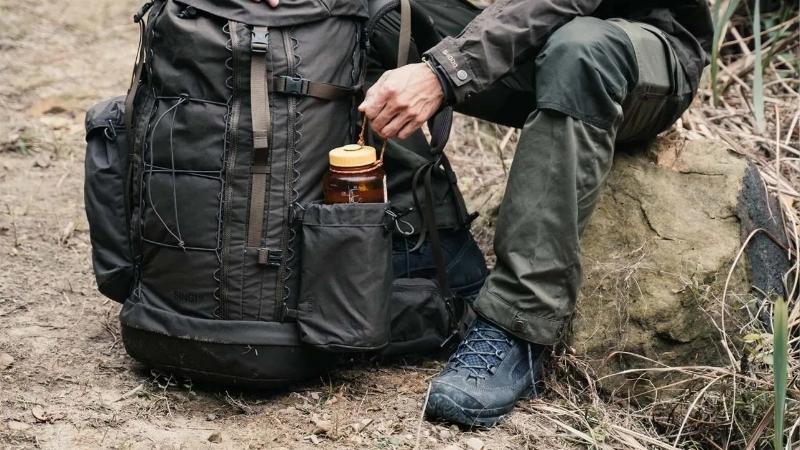
Empty every pocket, undo the frame if removable, and brush off loose dirt. Then hand wash in cool water with a technical cleaner, never regular detergent, which strips coatings. Spot-scrub grimy hipbelt and shoulder straps, rinse thoroughly, and air dry away from direct heat and sun.
Avoid machine washing framed packs, since agitation can damage the frame, mesh and coatings. A technical cleaner lifts body oils and trail grime without harming water-repellent finishes, so your pack comes out clean without losing its performance. Salt and sweat left on straps degrade fabric over time.
Restore Water Repellency
Over time a pack’s durable water repellent finish wears off, and fabric starts wetting out. After cleaning, restore it with a spray-on or wash-in reproofer made for outdoor fabrics, which renews water beading so your pack sheds light rain again instead of soaking through.
Reproofing is not the same as waterproofing, since most packs are only water-resistant, but it noticeably improves rain performance and reduces how wet gear gets. Pair a refreshed finish with a rain cover or dry-bag liner for real downpours, and your pack stays far drier on wet trails.
Repair Small Damage Early
A tiny tear becomes a big one under load, so fix damage early. Peel-and-stick fabric patches handle rips in nylon and polyester in minutes, seam sealer renews leaky seams, and zipper care keeps sliders running. Catching problems early saves a pack from a trip-ending failure.
Keep a small repair kit at home and a patch or two on the trail. Most field failures, a torn pocket, a sticky zipper, a frayed seam, are fixable on the spot with the right product. Learning these quick fixes is a core part of any maintenance routine.
Store Your Pack Properly
How you store a pack between trips matters. Make sure it is fully dry to prevent mildew, then store it loosely in a cool, dry place out of direct sun, which fades and weakens fabric. Do not leave it compressed or stuffed for months, which can set creases and stress seams.
Loosen all straps, leave pockets open to air, and hang the pack or set it upright rather than crushing it under other gear. A clean, dry, uncompressed pack stored out of sunlight comes out of the off-season ready to go, with its fabric and coatings intact.
Top Products From This Backpack Maintenance Guide
These six cover the full care cycle, cleaning, reproofing, and repair. This backpack maintenance guide lays out what each does in the table, then breaks down who each product suits and its honest drawbacks.
| Product | Job | Best For | Price Tier |
|---|---|---|---|
| Nikwax Tech Wash | Cleaner | Routine cleaning | Budget |
| Nikwax Tent & Gear SolarWash | Clean + reproof | Pack fabric care | Budget |
| Gear Aid Revivex Pro Cleaner | Concentrated cleaner | Deep cleaning | Budget |
| Gear Aid Tenacious Tape | Fabric repair | Rips and tears | Budget |
| Gear Aid Zip Care | Zipper cleaner and lube | Sticky zippers | Budget |
| Gear Aid Seam Grip | Seam sealer / adhesive | Leaky seams | Budget |
Nikwax Tech Wash — Best Routine Cleaner
Tech Wash is the go-to routine cleaner. Its soap-based, biodegradable, fluorocarbon-free formula lifts trail grime and body oils from packs, tents and technical gear without stripping water-repellent finishes, and it is safe for coated and waterproof-breathable fabrics. It is the safe first step in any cleaning routine.
It cleans but does not restore water repellency, so you pair it with a reproofer for that, and it is a wash-in formula rather than a spot spray. As an affordable, gear-safe cleaner that keeps a pack performing without harming its coatings, though, it is a staple worth keeping on hand.
Nikwax Tent & Gear SolarWash — Best for Pack Fabric
SolarWash is tailored to gear like packs, tents and tarps. It cleans and, in the SolarProof version, restores the water-repellent finish while adding UV protection that slows sun damage to fabric, which is exactly what an exterior-heavy item like a backpack needs to last through seasons of exposure.
It is a spray-and-wipe application, so treating an entire pack takes a little time and care, and heavy reproofing may need a second pass. For restoring both water beading and UV resistance on a pack’s outer fabric, though, it is the most pack-appropriate care product here.
Gear Aid Revivex Pro Cleaner — Best Deep Cleaner
Revivex Pro Cleaner is a highly concentrated cleaner that goes a long way. Reviewers note a small amount cleans far more gear than standard cleaners, so a single bottle lasts through many packs, tents and technical items without leaving residue or affecting water repellency. It is a value pick for deep cleaning.
Being concentrated, it needs careful measuring to avoid overuse, and like other cleaners it does not restore water repellency on its own. As a residue-free, gear-safe deep cleaner that stretches further than most, though, it is an efficient first step before reproofing a well-used pack.
Gear Aid Tenacious Tape — Best Fabric Repair
Tenacious Tape is the essential field and home repair. Its aggressive-adhesive peel-and-stick patches fix rips and tears on nylon, polyester and coated fabrics in minutes, holding through washing and hard use. A patch or two in your kit can save a torn pack pocket mid-trip. It is a must-have repair item.
It handles fabric tears well but is not a structural fix for broken straps, buckles or frames, which need replacement hardware. For the most common pack damage, punctures and rips, though, its instant, durable hold makes it the first thing to reach for. Round patches resist peeling best.
Gear Aid Zip Care — Best Zipper Maintenance
Zip Care keeps zippers running smoothly. Its brush-tip applicator cleans grit from zipper teeth and lubricates the slider, curing the sticky, snagging zippers that grit and salt cause on well-used packs. Regular use prevents the zipper failures that can render a pocket or main compartment unusable.
It maintains working zippers but cannot fix teeth that are already broken or a slider that has failed, which need replacement. For keeping healthy zippers healthy and reviving sticky ones, though, it is a cheap, effective bit of maintenance that extends the life of every zipper on your pack.
Gear Aid Seam Grip — Best Seam Repair
Seam Grip seals leaky seams and bonds fabric. It renews the seam tape and stitching that can leak or peel over time, and its flexible, durable cure makes it useful for reinforcing high-stress areas and small repairs the tape cannot cover. It is the go-to for seam and adhesive fixes.
It needs cure time, often overnight, can be messy to apply, and forms a permanent bond, so careful application matters. For renewing leaky seams and making durable structural repairs on a pack, though, its strong, flexible hold is exactly what those trickier fixes call for.
What Care Product Prices Look Like in 2026
Care products are inexpensive, but they are the cheapest way to protect a costly pack. A couple of current market forces affect what they cost and when to buy, without changing which ones your routine needs.
Modest Cost Pressure, Big Value
Cleaners and reproofers use imported chemistry and packaging, and modest tariffs add a little cost. Prices remain low overall, but future pricing is uncertain, so stocking your care kit now is a reasonable move, especially since these products protect a pack worth far more than the kit.
The value math is simple: a full care kit costs a fraction of a premium pack, and using it regularly can add years of life. Buying a cleaner, a reproofer and a repair kit together is one of the highest-return purchases in your gear closet.
Buy Ahead of Off-Season Care
The best time to deep-clean, reproof and store a pack is at the end of the hiking season, so buying care products in late summer or early fall means you have them ready. Fall sale events like Prime Big Deal Days in early October and Black Friday in late November bring occasional discounts.
Since these products are cheap and shelf-stable, stocking up during any sale is easy insurance. Keep a cleaner, a reproofer, patches, zipper care and seam sealer on hand so a small problem never waits, and your end-of-season care routine is never delayed by a missing bottle.
Spend on the Full Cycle
Buy for the whole care cycle rather than one product, since cleaning, reproofing and repair each protect the pack differently. A cleaner without a reproofer leaves fabric wetting out, and a reproofer without repair supplies leaves tears to grow. The complete kit is what actually extends a pack’s life.
These products store for a long time, so buying the full set at once is efficient and cheap. Treat pack care as routine maintenance, like servicing any valuable gear, and the small ongoing spend pays off in years of added use from your favorite pack.
Frequently Asked Questions
These are the questions hikers ask most about pack care.
How often should this backpack maintenance guide be followed?
Wipe down and spot-clean after dirty trips, and deep-clean, reproof and inspect a few times a season or at season’s end. Following this backpack maintenance guide routinely, rather than only when problems appear, is what keeps zippers, fabric and seams healthy for the long haul.
Can I machine wash my backpack?
It is risky for framed packs, since agitation can damage the frame, mesh and coatings. Hand washing in cool water with a technical cleaner is safer and just as effective. If a pack is frameless and the maker allows it, use a gentle cycle and a technical cleaner, never regular detergent.
Why not use regular laundry detergent?
Regular detergent strips water-repellent finishes and can leave residues that attract dirt and degrade coatings. Technical cleaners like Tech Wash lift grime without harming these finishes, keeping your pack performing. Using the right cleaner is one of the most important habits in pack care.
How do I fix a small tear on the trail?
Clean and dry the area, then apply a peel-and-stick fabric patch like Tenacious Tape, smoothing out air bubbles. It bonds in minutes and holds through the rest of the trip. Carry a patch or two so a small rip never grows into a trip-ending failure under load.
See More:
- Best hiking backpack
- Best backpacking backpack
- Ultralight hiking backpack
- Best hydration backpack
- Best hiking backpack for women
Final Thoughts
This backpack maintenance guide comes down to a simple cycle: clean with a technical wash, restore water repellency, repair small damage early, and store the pack dry and loose. Tech Wash and SolarWash handle cleaning and reproofing, while Tenacious Tape, Zip Care and Seam Grip cover repairs. A few cheap products and a seasonal routine can add years to a pack you love.






Write Your Review
No reviews yet. Be the first to share your experience!