
Key takeaways
What's inside
Backpack weight guide thinking starts with a simple truth: every ounce you carry, you carry all day. This guide explains base weight, empty pack weight and load limits, then names top packs by weight class so you can cut ounces without sacrificing the comfort that keeps you moving.
As an Amazon Associate we earn from qualifying purchases.
By Jake Thompson
How to Use This Backpack Weight Guide
The core of any backpack weight guide is balancing pack weight against comfort and load capacity. Understanding base weight, the pack’s own weight, and its load ceiling lets you cut ounces intelligently rather than just chasing the lowest number and paying for it in shoulder pain.
Understand Base Weight
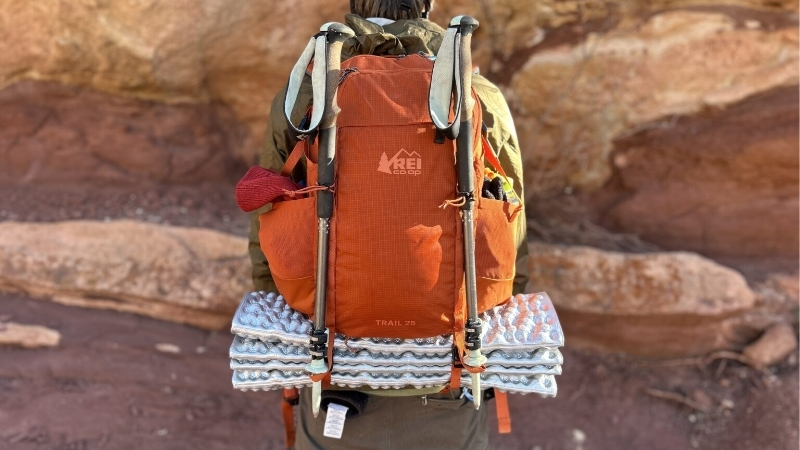
Base weight is the weight of your kit before food, water and fuel, the consumables that vary by trip. Lowering base weight is the key to going lighter, since it determines whether a minimal pack works. A base weight under about 20 pounds unlocks lightweight and ultralight packs.
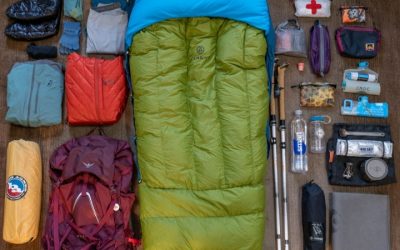
Weigh your big-three items first: shelter, sleep system and pack. These usually dominate base weight, so trimming them yields the biggest savings. Once your base weight is low, a lighter pack carries it comfortably; if it stays high, a heavier pack with a real frame feels better.
Weigh the Pack Itself
Empty pack weight ranges from about two pounds for Dyneema ultralight packs to over four and a half for full-featured haulers. The pack is one of your big-three items, so its own weight matters, but the lightest pack is not worth it if it cannot carry your load comfortably.
Balance pack weight against features and support. A two-pound pack saves weight but sheds padding and structure, while a four-pound hauler adds comfort under heavy loads. Match the pack’s weight to your base weight, since a light pack only helps if your kit is light too.
Respect the Load Ceiling
Every pack lists a comfortable max load, and it matters more as packs get lighter. Ultralight packs carry 30-40 pounds well, midweight packs handle 40-50, and burly haulers manage 50-60. Exceeding the rating collapses comfort no matter how good the pack, so treat it as a firm limit.
Calculate your heaviest realistic load, including full water and food carries, and pick a pack rated above it. Cutting pack weight is pointless if the pack then buckles under your load, so match the load ceiling to your peaks rather than your average.
Manage Load, Not Just Gear
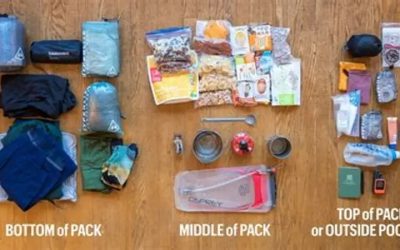
Weight is also about how you pack. Placing heavy items close to your back and centered over your hips keeps the load stable and feeling lighter, while compression straps snug everything down. Good load management makes a given weight feel lighter without buying new gear.
Trim consumables too, since water is heavy at about two pounds per liter. Carry only what you need between sources, and lighten food with calorie-dense choices. These habits often cut more felt weight than obsessing over a few ounces of pack, so weigh them in this guide.
Top Picks by Weight Class From This Backpack Weight Guide
To turn this backpack weight guide into a shopping list, here is a top pick for each weight class, from an ultralight thru-hiking pack to a full-featured hauler. Scan the table, then read each pick for who it suits and its honest drawbacks.
| Model | Weight | Capacity | Weight Class | Price Tier |
|---|---|---|---|---|
| HMG Southwest 3400 | ~2 lb | 55L | Ultralight | Premium |
| REI Co-op Flash 55 | ~2 lb 10 oz | 55L | Lightweight value | Budget |
| Osprey Exos 58 | ~2 lb 13 oz | 58L | Lightweight comfort | Mid |
| Gregory Paragon 60 | ~3 lb 8 oz | 60L | Midweight | Mid |
| Osprey Atmos AG 65 | ~4 lb 10 oz | 65L | Full-featured | Premium |
| Osprey Talon 22 | ~2 lb | 22L | Daypack | Mid |
HMG Southwest 3400 — Best Ultralight
The Southwest 3400 is the ultralight benchmark. Its 55L body plus external pockets is made from waterproof Dyneema Composite that resists rain and abrasion, yet the whole pack weighs about two pounds. For hikers with a low base weight chasing the lightest durable pack, it is the top pick.
Comfort is its weak point: thin foam straps get uncomfortable much above 30 pounds, and the single-tube design has no internal organization. It is also expensive. For weight-disciplined hikers who keep loads light and want waterproof durability, though, nothing quite matches it.
REI Co-op Flash 55 — Best Lightweight Value
The Flash 55 delivers lightweight performance at a budget price. It is customizable with an adjustable torso, light at around two pounds ten ounces, and carries a weekend or thru-hiking load well. For hikers who want to cut weight without cottage spend, it is the natural value pick.
The thin nylon is less durable than thicker builds, and comfort drops with loads north of about 30 pounds, while the customizable pockets can feel bulky. For light-to-moderate loads, though, its blend of low weight, comfort and value is excellent at this price.
Osprey Exos 58 — Best Lightweight Comfort
The Exos 58 balances low weight with real comfort. At about two pounds thirteen ounces it keeps a ventilated trampoline backpanel, four inches of torso adjustment, a padded hipbelt and a removable lid. It is the pick for hikers who want to go lighter without losing a comfortable carry.
To hit that weight it uses thinner fabrics and small hipbelt pockets, and it tops out near 35 pounds. For weight-conscious hikers who still want padding and adjustability, though, it is one of the most comfortable options in its weight class. The women’s version is the Eja 58.
Gregory Paragon 60 — Best Midweight
The Paragon 60 hits a sweet spot between light and plush. At about three and a half pounds it pairs a FreeFloat dynamic hipbelt and suspended-mesh backpanel with a 50-pound load rating, seven pockets and a side zipper. Its support-to-weight ratio is among the best available.
Its hipbelt padding is a touch thin, it lacks a rain cover, and its light fabric is not the most durable. For a comfortable pack that carries heavier loads well without ultralight fragility, though, it is an ideal midweight choice. The women’s version is the Maven 58.
Osprey Atmos AG 65 — Best Full-Featured
The Atmos AG 65 is the comfort-first heavyweight pick. Its AntiGravity suspended-mesh backpanel is class-leading for airflow and comfort, the harness fits a wide range of torsos, and a durable nylon build lasts for years. For hikers who prioritize a plush carry over grams, it excels.
It runs over four and a half pounds and its recommended max load was trimmed to roughly 40 pounds. For weight-counters it is heavy, but for hikers who want maximum comfort and organization and do not mind the ounces, it is the most well-rounded pick. The women’s version is the Aura AG 65.
Osprey Talon 22 — Best Lightweight Daypack
For day hikes, the Talon 22 balances weight and support. At roughly two pounds it carries up to about 20 pounds on a real framesheet with a pocketed hipbelt, more structure than most daypacks. It is the pick for day hikers who want weight transfer without a heavy pack.
It is heavier than minimalist sub-one-pound daypacks, with a 100D body that is not the most durable. For day hikers who carry more water and layers and want real support, though, its weight buys genuine comfort. The women’s version is the Tempest 20.
What Pack Prices Look Like in 2026
Once this backpack weight guide helps you pick a weight class, timing the purchase saves money. A couple of current market forces affect pack prices and the best moment to buy this year.
Lighter Fabrics Feel Tariff Pressure
Ultralight fabrics like Dyneema and technical nylons are largely imported, and metal tariffs touch frame hardware. Brands have called future pricing a moving target, so if you already know the pack you want, buying now is a reasonable hedge rather than waiting for prices to settle.
The picture is uneven. Premium ultralight makers have mostly held pricing, while mainstream lightweight and midweight packs see more discounting. Budget-minded hikers should watch value packs like the Flash 55 for closeouts.
Buy the Right Weight Class, Then the Sale
Choose the weight class that matches your base weight first, then time the purchase. Prime Big Deal Days land in early October and Black Friday and Cyber Monday in late November with the deepest discounts, so set a price alert once you know your class.
Cottage ultralight packs rarely discount deeply and can have lead times, so for those, availability matters more than a holiday markdown. Mainstream lightweight and midweight packs, though, regularly drop during fall events, so patience pays off.
Spend on the Big Three
Since the pack is one of your big-three items, spending to lighten it, your shelter and your sleep system yields the most felt weight savings. Dropping base weight is what unlocks a lighter pack, so prioritize those purchases over shaving ounces off smaller gear.
If a specific size or ultralight model is prone to selling out, buy early rather than gambling on peak stock. Missing the right size costs more than a small saving, especially for cottage packs fixed to your torso length.
Frequently Asked Questions
These are the questions hikers ask most about pack weight.
What does a backpack weight guide mean by base weight?
Base weight is your kit’s weight before food, water and fuel, the consumables that change by trip. A good backpack weight guide focuses on base weight because it determines whether a light pack works, with under about 20 pounds unlocking lightweight and ultralight packs.
How light should my pack be?
It depends on your base weight and loads. If your kit is light, a two-pound pack carries it comfortably; if heavier, a three-to-four-pound pack with a real frame feels better. Match empty pack weight to your base weight rather than chasing the lowest number alone.
Does a lighter pack always mean more comfort?
Not necessarily. Lighter packs shed padding and structure, so they are only comfortable if your load stays within their ceiling. Under a heavy load, a slightly heavier pack with a real frame often feels lighter on your back than an overloaded ultralight pack.
What is the fastest way to cut pack weight?
Lighten your big three, shelter, sleep system and pack, since they dominate base weight. Then trim consumables by carrying only the water you need between sources and choosing calorie-dense food. Good load management often cuts more felt weight than obsessing over a few ounces.
See More:
- Best hiking backpack
- Best backpacking backpack
- Ultralight hiking backpack
- Best hydration backpack
- Best hiking backpack for women
Final Thoughts
This backpack weight guide comes down to matching pack weight to your base weight and loads, not chasing the lowest number. The Southwest 3400 goes ultralight, the Exos 58 balances light and comfortable, and the Atmos AG 65 pampers heavy carriers. Lower your base weight first, respect the load ceiling, then time a fall sale, and you will carry the right weight for you.



Write Your Review
No reviews yet. Be the first to share your experience!